
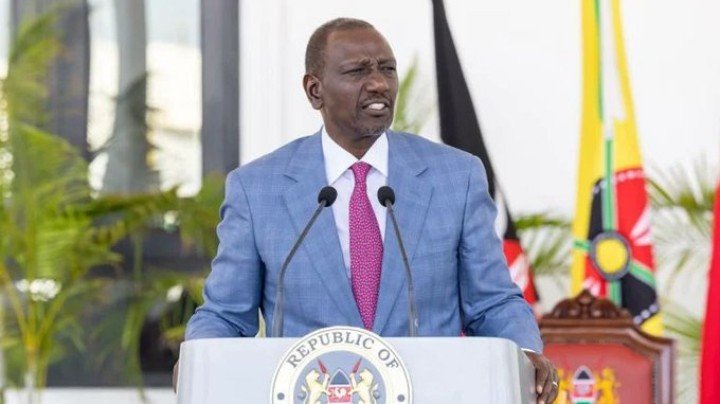

President William Ruto has officially announced that the Kenya-Somalia border will reopen in April this year, bringing an end to years of closure that have affected trade, security and community interactions along the border. The decision comes after careful consideration and extensive security assessments by the government, aimed at ensuring the safety of both nations while promoting economic and social engagement.
The border closure, which has lasted for several years, was initially put in place due to concerns over cross-border insecurity and the threat posed by armed groups in Somalia. The government has spent this period strengthening security measures, enhancing intelligence gathering and coordinating with regional partners to ensure that the border can operate safely once reopened. This reopening signals a major step toward normalizing relations and facilitating legal trade and movement between the two countries.
Economic activities along the border have been significantly affected over the years. Traders, particularly small and medium enterprises, faced challenges in transporting goods due to strict controls and occasional roadblocks. Livelihoods in border towns were disrupted, with some families depending on cross-border trade struggling to make ends meet. The reopening is expected to boost local economies, revive trade networks and increase access to essential goods for communities on both sides of the border.
Security remains a top priority for the government. Authorities have assured the public that reopening will be gradual and closely monitored. Checkpoints, surveillance systems, and border patrols have been upgraded to prevent illegal activities while ensuring legitimate travelers and traders can move freely. Coordination with international security agencies is also expected to help in managing threats and maintaining stability in the border region.
The social impact of the border closure has also been significant. Families and communities divided by the border faced difficulties in maintaining contact, attending social events, or accessing services located across the frontier. With the reopening, it is hoped that cultural and social ties that have been disrupted will gradually be restored, allowing people to interact more freely while respecting security protocols.
Regional cooperation between Kenya and Somalia is likely to improve as a result of this decision. Reopening the border may facilitate discussions on trade agreements, joint security initiatives, and infrastructure development aimed at enhancing connectivity. For Somalia, it presents an opportunity to stimulate trade, strengthen governance in border areas and collaborate on issues such as immigration control and the fight against illicit activities.
The government has emphasized that reopening the border is not a signal that risks have disappeared. Vigilance and continuous monitoring remain critical. Residents and traders in border regions are being urged to cooperate with authorities and report any suspicious activities. By balancing security concerns with economic and social benefits, the government hopes the border reopening will serve as a model for managing complex cross-border relations in East Africa.
In conclusion, the decision to reopen the Kenya-Somalia border marks an important milestone in the two countries’ efforts to strengthen relations and foster development. While challenges remain, the reopening promises economic revitalization, improved social interactions and enhanced regional cooperation. Communities, traders, and authorities are preparing for the changes, hoping that this step will pave the way for a more stable and prosperous border region.
The reopening of the border in April is thus being watched closely by both nations and regional partners, as it represents not just a return to normalcy but also a chance to build stronger ties, promote trade and ensure security along a historically sensitive frontier. The months ahead will be critical in determining how effectively the move translates into tangible benefits for those living and working along the border.
Comments (0)
Leave a Comment
No comments yet. Be the first to share your thoughts!