
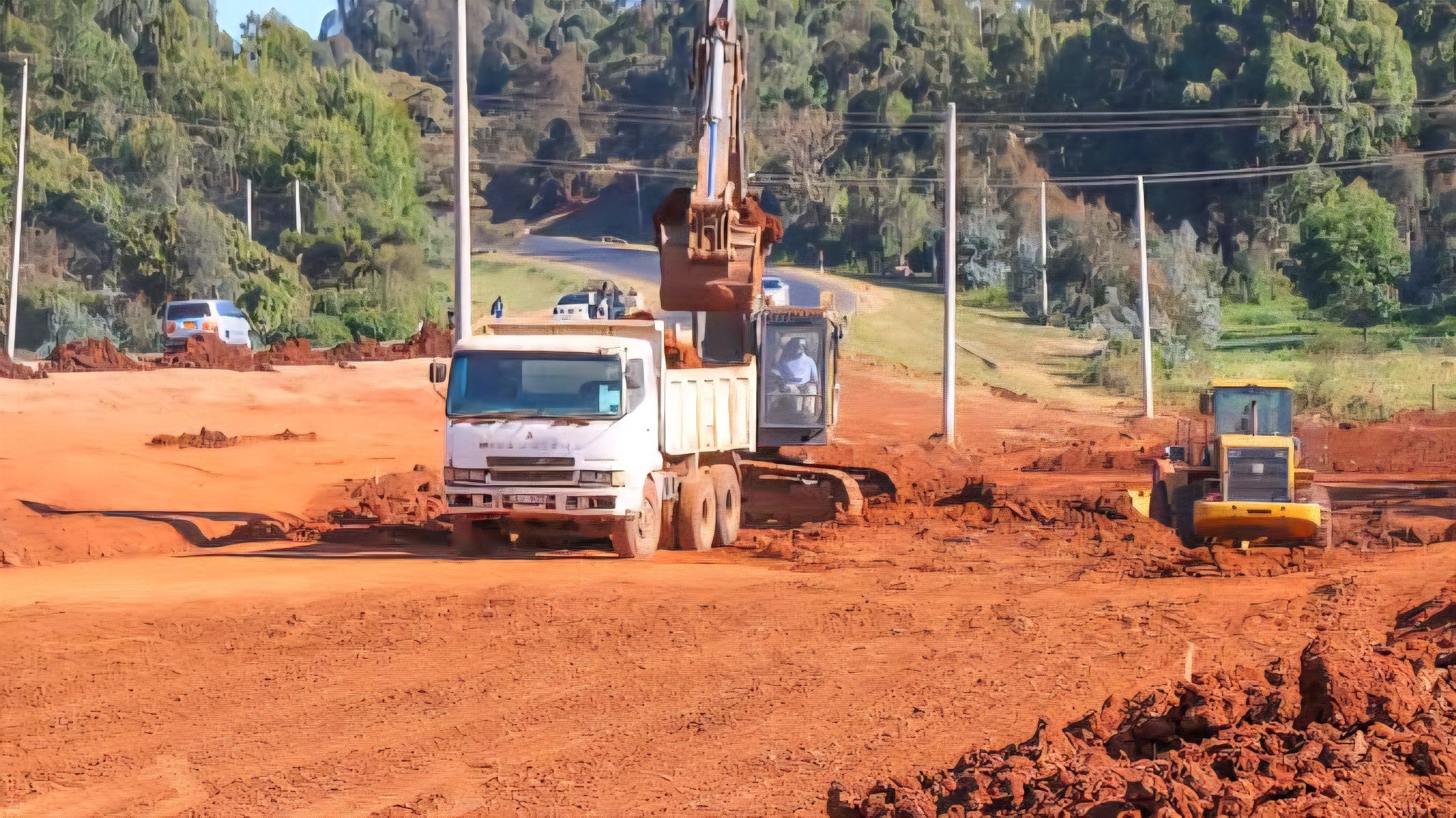

The government has initiated plans to expand and introduce tolling on the highway between Mau Summit and the Malaba border point. This move will require motorists traveling to parts of Western Kenya to pay for using the road.
The proposal follows a broader strategy to leverage private sector investment for infrastructure. By converting this section into a toll road, the state aims to raise the capital necessary for widening the carriage and improving the overall flow of traffic.
Currently, the Rironi-Mau Summit stretch is already under a dualing program. A version of this article appeared on The Business Daily, noting that the project at Manguo Swamp near the Limuru junction was active as of late 2025.
Expanding the project to reach Malaba is a logistical necessity for the Northern Corridor. This route serves as a primary artery for transit goods moving from the Port of Mombasa to Uganda, Rwanda, and the Democratic Republic of Congo.
President Ruto has previously signaled that his administration prefers Public-Private Partnerships (PPP) over traditional debt-funded projects. Tolling is a central pillar of this model, ensuring that users contribute directly to the maintenance of the asset.
Motorists and transport lobbyists have expressed concern over the cumulative cost of travel. If implemented, this would be one of the longest tolled stretches in the country, affecting both private commuters and long-haul transporters.
Government officials argue that the efficiency gained from a dual-carriageway will offset the cost of the tolls. Reduced travel times and lower vehicle maintenance costs are cited as the primary benefits for the daily user.
The transition to a tolled system involves significant legal and physical infrastructure. Toll plazas will need to be constructed at strategic intervals, and the legal framework for the Mau Summit-Malaba section must be finalized before collection begins.
Similar projects, such as the Nairobi Expressway, have shown that there is an appetite for premium road services in urban areas. However, applying this model to a primary transit highway presents different socioeconomic challenges for the local population.
The Ministry of Roads continues to review the financial feasibility of the extension. While the Rironi-Mau Summit segment remains the immediate priority, the long-term vision clearly points toward a fully tolled corridor to the Ugandan border.
As the government moves forward, the focus remains on attracting a private partner capable of handling the Sh200 billion price tag associated with these large-scale upgrades.
Comments (0)
Leave a Comment
No comments yet. Be the first to share your thoughts!