
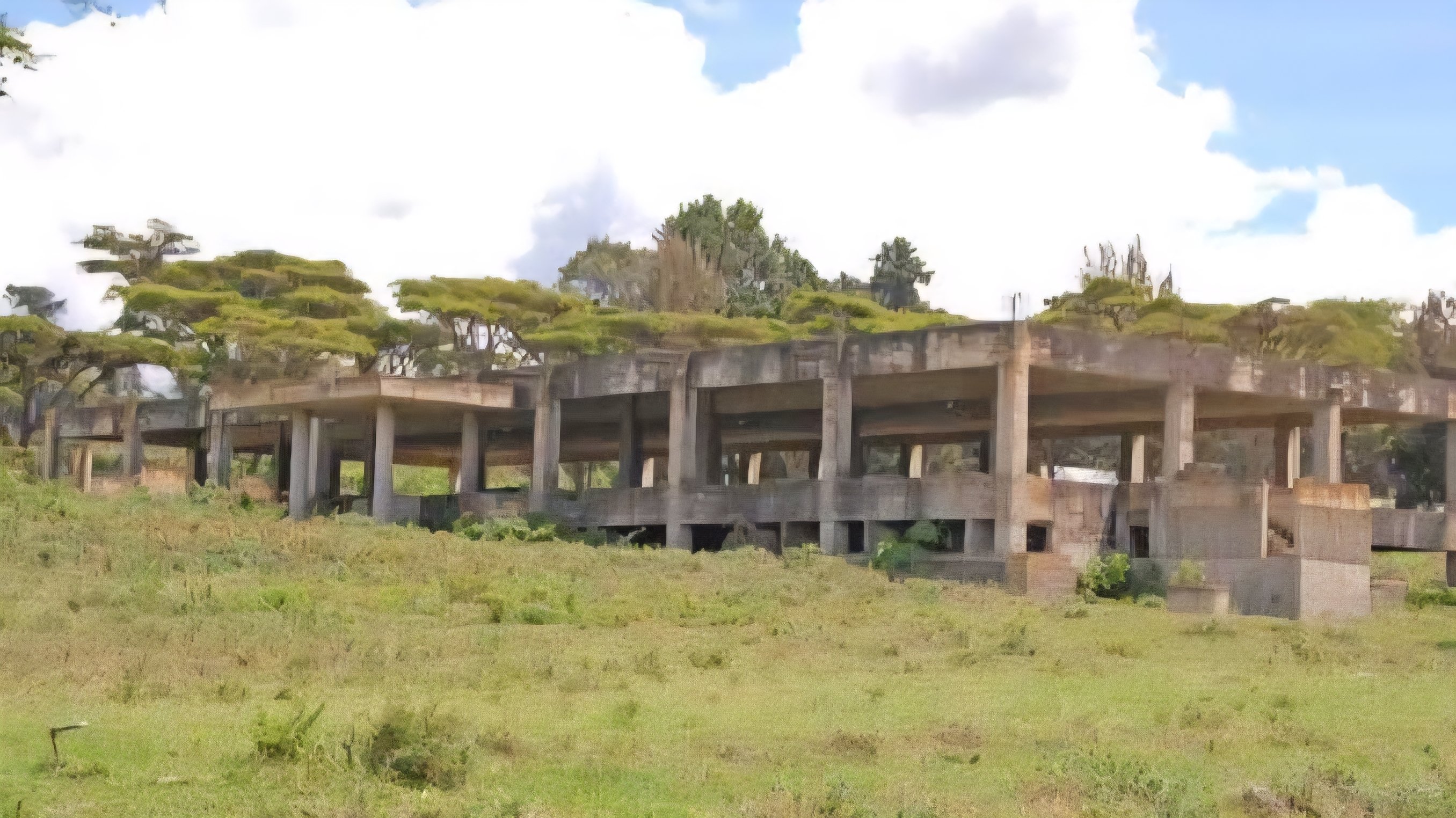

The Kenyan government is currently grappling with a massive deficit in higher education funding that has brought physical development at public universities and technical colleges to a virtual standstill. Despite a total allocation of Sh128 billion to the State Department for Higher Education and Research, the portion reserved for capital projects has dwindled to a fraction of what is necessary to maintain and expand facilities.
Data from the Ministry of Education indicates that while the overall budget appears substantial, the vast majority of these funds are consumed by recurrent expenditures. Specifically, Sh120 billion is directed toward the New Higher Education Funding Model, which prioritizes student loans and scholarships. This shift in policy has left just Sh3 billion for the development and completion of physical infrastructure across the country.
The scale of the crisis is evident in the Sh105.7 billion requirement identified for ongoing and planned construction works. With only Sh3 billion available, the government faces an unfunded gap of over Sh102 billion. This financial vacuum has resulted in at least 74 stalled projects in public universities alone. These sites, many of which are nearing completion, continue to accrue interest and penalties from contractors, further bloating the eventual cost to the taxpayer.
In the technical vocational education and training sector, the situation is equally constrained. The government had initially planned to establish technical and vocational centers in every constituency. However, the current budget provides only Sh1.1 billion for the completion of 15 such centers. This is a sharp decline from the Sh4.1 billion requested by the department to fulfill its development goals for the current fiscal year.
The funding crisis extends beyond new buildings to the daily operations of these institutions. Public universities are currently carrying a debt load of approximately Sh75 billion. This includes unpaid statutory deductions such as Pay As You Earn, pension contributions, and insurance premiums. The failure to remit these payments has created a legal and financial quagmire for university administrations, who are now prioritizing basic payroll over any form of campus improvement or facility maintenance.
At the heart of the problem is the transition to the new funding model. While the model was designed to alleviate the financial burden on students, it has inadvertently squeezed the resources available for the institutions themselves. The state department reports that the budget for the new model is actually underfunded by Sh7 billion, meaning even the primary focus of the current strategy is not fully covered.
Construction firms involved in these educational projects are facing significant delays in payment. In many instances, certificates for completed works have remained unpaid for several years. This has forced many local contractors to abandon sites, leaving skeletal concrete structures to weather and deteriorate. The cost of mobilizing back to these sites once funding is eventually secured will likely add millions to the original contract sums.
Legislators have raised concerns about the sustainability of this funding gap. During budget review sessions, it was noted that the continued underfunding of the capital expenditure budget will lead to a long-term decay of the country's academic infrastructure. Without functional laboratories, lecture halls, and hostels, the quality of higher education is expected to suffer, regardless of how many scholarships are issued to students.
The Ministry of Education has admitted that the current fiscal environment provides little room for an immediate increase in development funds. With the national treasury prioritizing debt service and essential services, university infrastructure projects remain low on the list of immediate priorities. For now, the cranes over Kenyan campuses remain idle, and the list of stalled projects continues to grow as the funding gap widens.
Comments (0)
Leave a Comment
No comments yet. Be the first to share your thoughts!