
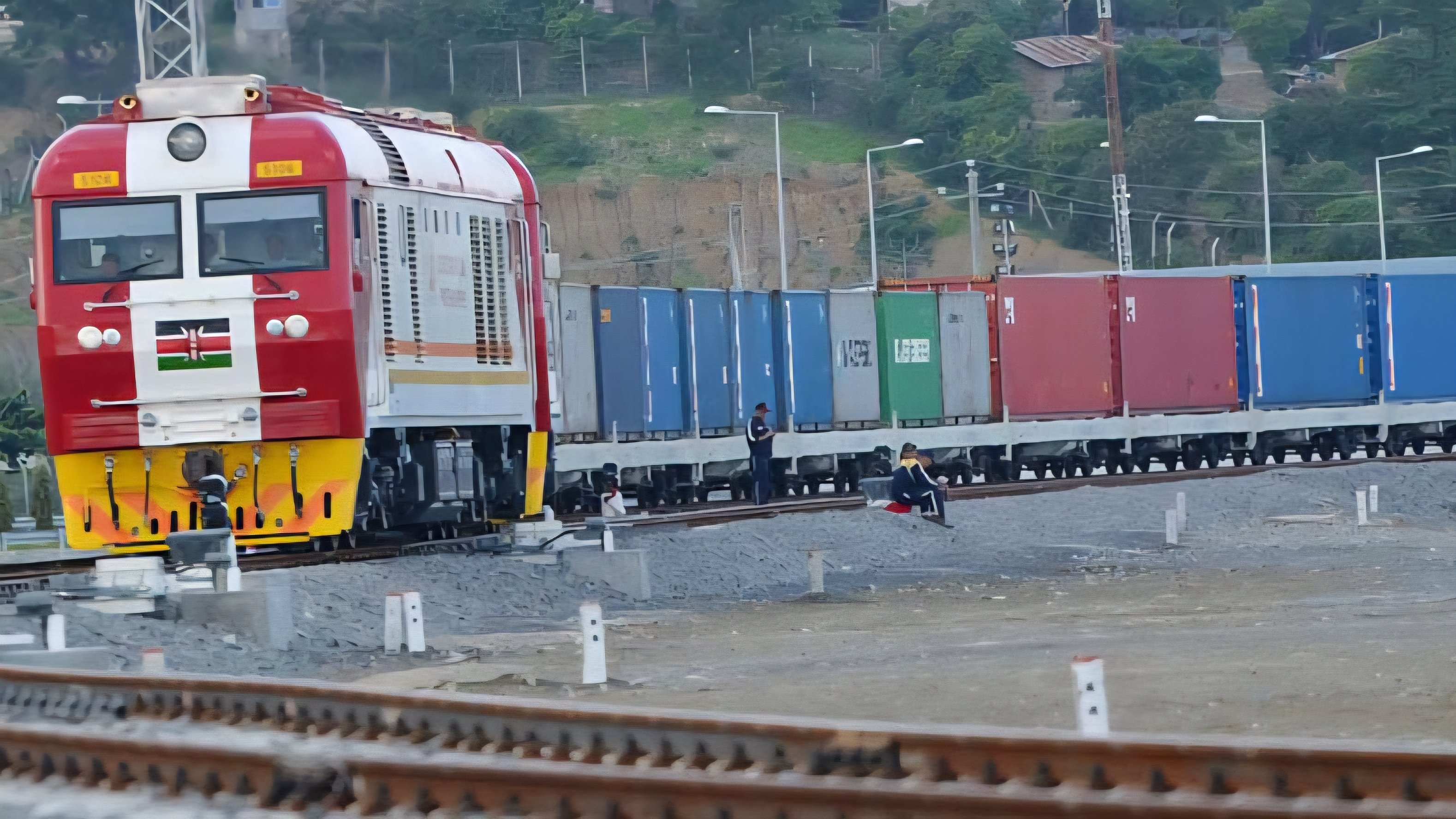

The Kenya Transporters Association (KTA) has voiced strong opposition to a renewed push by the national government to prioritize the Naivasha Inland Container Depot (ICD) for transit cargo. In a statement released this week, the association characterized the proposal as an unconstitutional move that threatens to disrupt the free market and undermine the livelihoods of stakeholders operating along the Mombasa-Malaba corridor.
The dispute follows reports that the Kenya Revenue Authority (KRA) intends to compel importers, specifically those serving landlocked neighboring countries, to clear their goods through the Naivasha facility. According to the KRA, the strategy is designed to ease persistent congestion at the Port of Mombasa by shifting long-haul traffic to rail and utilizing the inland depot as a primary clearance hub.
KTA Chairperson Newton Wang’oo argued that any directive forcing importers to use a specific mode of transport or a predetermined clearance point violates the principles of a free market. The association maintains that the choice of transport and logistics remains the sole prerogative of the cargo owner. The KTA further warned that reintroducing mandatory rail haulage could repeat the economic decline seen under previous similar policies, which resulted in significant job losses across ten counties.
Infrastructure at the Naivasha ICD, which is linked to the Port of Mombasa via the Standard Gauge Railway (SGR), currently operates at approximately 19 percent capacity. While the government views the 4,000-TEU capacity facility as a strategic asset for regional trade, transporters contend that its underutilization is proof of a lack of commercial viability. The association suggested that if the rail route were genuinely more efficient or cost-effective, importers would have adopted it voluntarily without the need for administrative pressure.
The KRA and the Kenya Ports Authority (KPA) have recently rolled out a series of digital and operational reforms aimed at reducing cargo dwell time. These include transferring long-stay containers to peripheral facilities and encouraging the use of the SGR to move cargo to inland depots in Nairobi and Naivasha. Government officials have emphasized that these measures are critical to maintaining the competitiveness of the Northern Corridor as regional trade volumes continue to rise.
In response, the KTA has called for the government to focus on collaborative, operational solutions to port congestion rather than coercive mandates. The association indicated that they are prepared to challenge any regulatory circulars or enforcement measures that infringe on the constitutional rights of their members and the broader business community.
As South Sudan and other neighboring states begin to take up space at the Naivasha Special Economic Zone, the friction between road transporters and state agencies highlights the ongoing tension between rail-centered infrastructure policy and the established trucking industry in East Africa.
Comments (0)
Leave a Comment
No comments yet. Be the first to share your thoughts!