
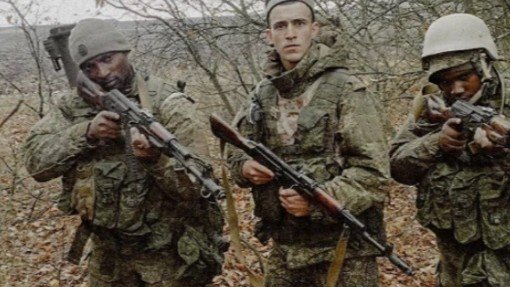

Two more Kenyan nationals fighting for the Russian army have reportedly been killed in Donetsk, Ukraine, in the ongoing conflict that has gripped the region since February 2022. This tragic development underscores the growing involvement of foreign fighters in the war and raises questions about the motivations and risks faced by individuals who join foreign military operations. Local authorities, family members, and international observers have expressed concern over the circumstances leading to these deaths.
According to sources monitoring the situation in Ukraine, the two Kenyans were part of a small group of foreign volunteers who had joined the Russian forces. Details regarding their identities, backgrounds and the exact circumstances of their deaths remain limited. However, reports suggest that they were killed during heavy fighting in Donetsk, a city that has been at the center of intense clashes between Russian backed forces and Ukrainian defenders. The conflict in Donetsk has seen widespread destruction, with both sides suffering significant casualties.
The involvement of foreign nationals in the Ukraine conflict has been a subject of concern for both the international community and the governments of countries whose citizens have joined the fighting. In Kenya, authorities have previously warned citizens against participating in foreign wars, citing the legal, moral and security risks involved. Despite these warnings, some individuals have continued to enlist with foreign military forces, often drawn by financial incentives, ideological alignment, or the promise of adventure.
Experts on international security and conflict studies have highlighted that foreign fighters, including those from Africa, are increasingly participating in conflicts far from home. These individuals often face extreme dangers, including exposure to frontline combat, lack of proper protective gear, and limited medical support. The deaths of the two Kenyans in Donetsk highlight the lethal risks that accompany such choices. Families of foreign fighters frequently have little information about the conditions under which their loved ones operate, and in cases of casualties, repatriation of bodies can be complicated by diplomatic and logistical challenges.
The Russian government has not officially commented on the deaths of foreign volunteers in Donetsk, and information often comes from social media posts, local conflict monitoring groups, and accounts from other foreign fighters. This has made it difficult to verify the exact circumstances of these fatalities. Human rights organizations have also raised concerns about the treatment of foreign fighters in conflicts, emphasizing the need for transparency and protection of basic human rights.
Back home in Kenya, the news of these deaths has elicited mixed reactions. While some express sympathy for the families, others question the motivations of young Kenyans who choose to engage in foreign wars. Social media discussions have highlighted the broader issue of youth radicalization and the influence of online networks that may glorify participation in conflicts abroad. Government officials have reiterated the importance of national security and warned against recruitment into foreign military operations.
The presence of Kenyans in the Ukraine conflict is not entirely new. Over the past few years, there have been reports of East African nationals joining various factions in international conflicts, often attracted by the allure of higher pay, adventure, or ideological causes. Analysts argue that economic challenges, unemployment and limited opportunities in some regions can make young people more susceptible to recruitment by foreign forces.
Internationally, the deaths of foreign fighters have prompted calls for stricter regulations and better monitoring of individuals leaving their home countries to participate in wars. Some countries have established legal frameworks that criminalize participation in foreign conflicts, while others focus on rehabilitation programs for returning fighters. In Kenya, authorities are reportedly reviewing mechanisms to prevent citizens from joining foreign military forces and to educate the public about the dangers involved.
The fighting in Donetsk remains intense, with both Russian-backed forces and Ukrainian defenders engaged in a battle over strategic locations. Reports indicate that the city continues to experience shelling, airstrikes and urban combat, making it one of the deadliest areas in the ongoing conflict. For foreign fighters, including the two Kenyans, the realities of frontline combat are stark, with high casualty rates and constant exposure to life-threatening situations.
The deaths of the two Kenyan nationals in Donetsk serve as a sobering reminder of the human cost of war, particularly for those who choose to fight far from home. Families and communities back in Kenya are left to grapple with the loss, while authorities continue to warn others against taking similar paths. The situation also highlights the need for broader discussions on youth engagement, economic opportunities, and the influence of global conflicts on vulnerable populations.
As the war in Ukraine continues, the stories of foreign fighters, including Kenyans, remain part of a complex and tragic narrative. The international community, local governments, and families alike are challenged to address the risks, motivations and consequences of participating in conflicts abroad, while providing support and guidance to prevent further loss of life.
Comments (0)
Leave a Comment
No comments yet. Be the first to share your thoughts!