
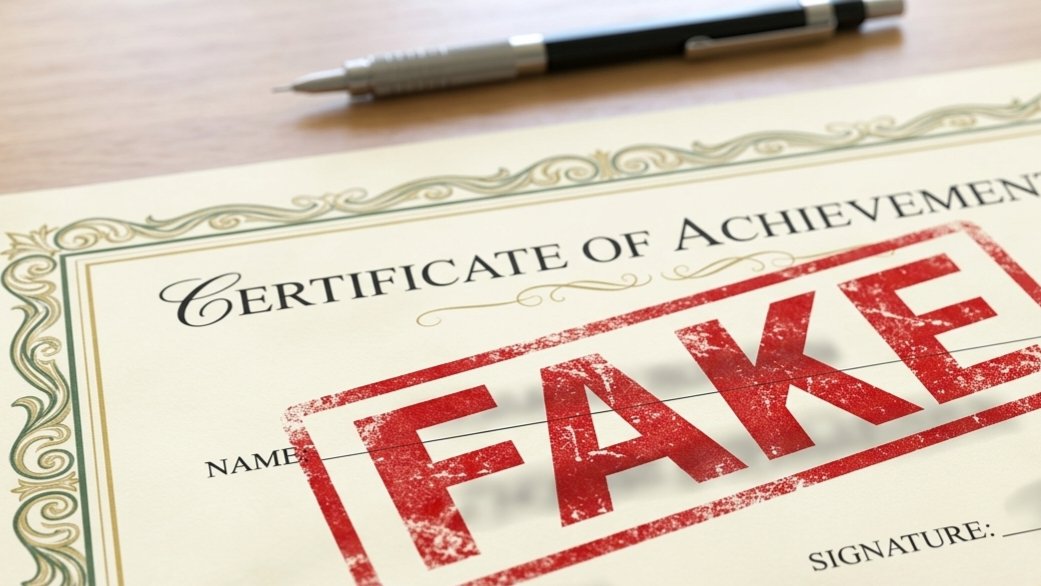

The Public Service Commission (PSC) is facing significant challenges in its attempts to remove public officers who used forged academic and professional certificates to gain employment. Despite issuing multiple directives, the commission continues to encounter resistance and systemic loopholes that allow fraudsters to remain within the civil service.
Through various circulars, the PSC has required state organisations to authenticate the academic documents used by officers for both appointments and promotions. This exercise aims to restore integrity within the public sector, where the prevalence of fake papers has become a persistent concern for taxpayers.
The scale of the problem became evident when the commission initiated a massive verification exercise across all government ministries, departments, and agencies. Early reports indicated that thousands of employees could be holding fabricated credentials, ranging from university degrees to secondary school certificates.
The PSC recently handed over a report to the Ethics and Anti-Corruption Commission (EACC) and the Directorate of Criminal Investigations (DCI). This report identified over 2,000 public officers who allegedly secured their positions through fraudulent means.
One major hurdle is the slow pace of verification by the original issuing institutions. Many universities and colleges take months to respond to requests for certificate authentication, which delays the disciplinary process against suspected fraudsters.
Furthermore, some affected officers have sought protection through the legal system. By obtaining court injunctions, these individuals can stop their dismissals, or salary stoppages, while their cases remain pending in the judiciary for years.
The complexity of the forgeries also complicates the cleanup. Fraudsters are no longer just printing poor imitations; some have managed to get their names into the official databases of legitimate institutions through collusion with rogue staff.
President Ruto has previously spoken on the issue, emphasizing that those holding fake certificates must leave the public service. The President noted that it is unfair for qualified, unemployed Kenyans to lose out to individuals who cheated the system.
The PSC maintains that the burden of proof for the authenticity of documents lies with the employing agency. However, the lack of a centralized, real-time database for academic records in Kenya makes this a tedious manual process.
In some instances, internal resistance within government human resource departments has slowed down the purge. Some senior officials are accused of shielding subordinates who are known to have questionable academic backgrounds.
The commission has warned that accounting officers will be held personally liable if they continue to pay salaries to individuals confirmed to have forged papers. This move is intended to force state agencies to take the verification exercise more seriously.
Beyond the loss of public funds through salaries, the presence of unqualified staff poses a risk to service delivery. In technical fields like engineering and construction, the use of fake professional papers can lead to substandard work and safety hazards.
The EACC has since started a recovery process to reclaim all salaries and benefits earned by those found to have used fake certificates. This serves as a deterrent, but the legal hurdles involved in such recoveries remain a bottleneck.
While the PSC continues to push for a cleaner payroll, the ingenuity of fraudsters remains a moving target. The commission is now calling for a more integrated approach involving the Kenya National Qualifications Authority to streamline the verification of all local and foreign papers.
Until a foolproof digital verification system is fully operational, the cat-and-mouse game between the PSC and holders of forged academic papers is likely to persist.
Comments (0)
Leave a Comment
No comments yet. Be the first to share your thoughts!