
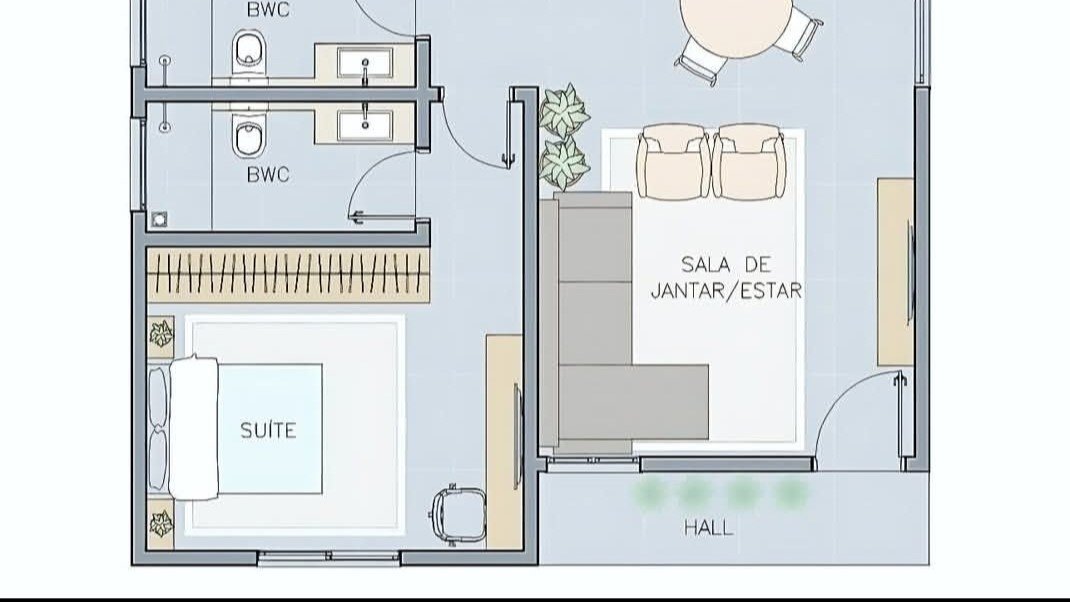

A recent viral X post by Kevin Kamau has sharply refocused the public discussion on affordable home construction, arguing that the obsession with overly complex architecture is the primary driver of stalled projects. The message, featuring a detailed floor plan, advocates for embracing simple, standardized designs as the most direct route to completing a construction project on budget.
Is striving to be different an even greater challenge? And is it possible to achieve uniqueness without overspending?
The construction industry frequently sees projects falter, leaving homeowners with half-built structures that become expensive burdens. The root cause of project stalls is often an unrealistic initial vision. Aspiring homeowners, fueled by modern architectural trends, frequently opt for bespoke, highly complex plans and designs that incorporate numerous corners, varied rooflines, non-standard material sizes, and expansive, inefficient spaces.
While aesthetically pleasing on paper, these features introduce significant cost drivers and construction complexity. They demand more specialized labor, generate greater material waste, and increase the likelihood of unexpected expenses, causing the budget to spiral out of control and ultimately forcing construction to stop.

The floor plan powerfully illustrates the efficiency argument. The design is a model of practical, cost-conscious planning, demonstrating how functionality need not be sacrificed for affordability.
The layout features a straightforward, rectangular footprint that minimizes the complex engineering required for an intricate build. Key elements of this efficient, budget-friendly model include:
-
Optimal Room Configuration: The plan includes a three-bedroom setup (including a Master Suite) and two well-placed bathrooms, providing ample accommodation within a compact area.
-
Open-Plan Living: The integration of the dining and living area with the kitchen (Sala de Jantar/Estar and Cozinha) maximizes usable space and natural light, reducing the need for costly partition walls.
-
Dedicated Utility: A separate laundry space (Lavanderia) ensures the main living areas remain uncluttered, a small design feature that enhances long-term living quality.
-
Standardized Geometry: By relying on straight walls and standard measurements, the design is optimized for readily available materials and familiar construction techniques, significantly lowering the overall construction cost per square meter.
The core message, amplified by the hashtag #jenganyumbastandard (Swahili for "build a standard house"), calls for a necessary shift in perspective. It challenges the notion that a simple, repeatable house plan is inferior. Instead, the focus should be on practical, quality construction that prioritizes completion.
By accepting simpler, proven architectural models, builders can predict costs with greater accuracy, procurement becomes easier, and the project timeline shortens. This approach ensures financial viability from start to finish, transforming the stressful, often years-long process of building into a successful and achievable endeavor. Ultimately, the most successful house is the one that gets finished. This message champions a pragmatic approach as efficiency and simplicity are the most powerful tools available to help homeowners move past the planning stage and finally move into their completed, budget-conscious homes. Integrating design improvements must always be done with careful selection that avoids cost overruns.
If you need any construction services, including plans, drawings, design and build, or plugging materials suppliers, contact us directly on 0701951682. Email is mjengohubltd@gmail.com.
Have a great day!
Comments (0)
Leave a Comment
No comments yet. Be the first to share your thoughts!