

A version of this article appeared on The Business Daily.
Residential property developments are experiencing an evolution, because buyers now view premium sanitary ware as a basic necessity rather than an optional luxury.
Homeowners actively influence interior design choices, with a specific focus on upgrading conventional washrooms.
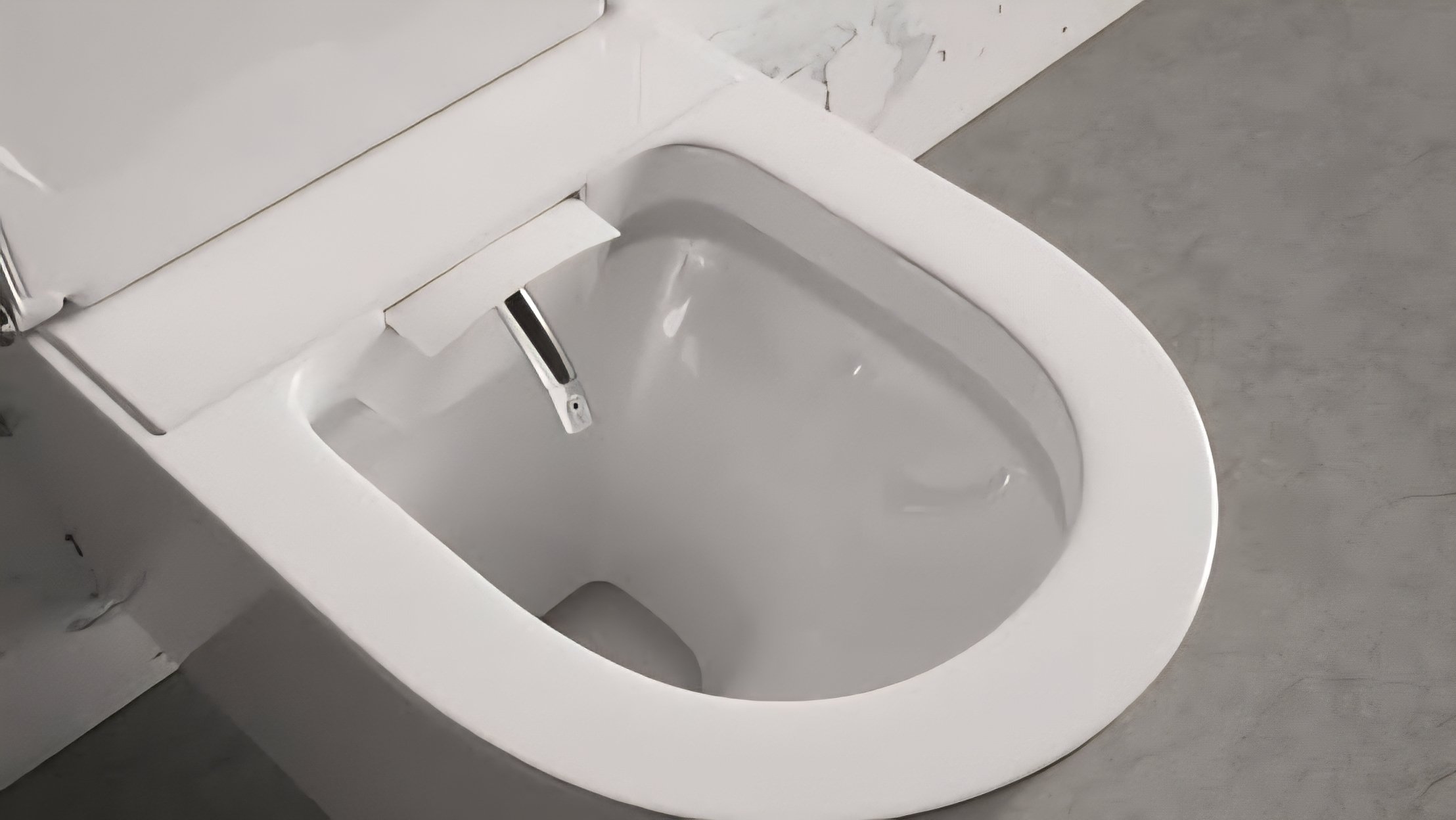
Among the most requested features in recent residential upgrade projects is the bidet, which is quickly becoming a standard fixture in modern residential installations.
The shift stems from an increasing focus on personal hygiene, which has been accelerated by global lifestyle trends influencing local tastes.
Property buyers are moving away from traditional European standard toilets, which rely solely on paper, towards more advanced cleansing mechanisms.
Contractors report that incorporating water-based cleaning systems requires careful planning during the early structural plumbing phases.
For premium residential units, developers frequently select electronic bidet seats, which feature heated water, air dryers, and motion sensors.
These electrical fixtures introduce new requirements for site engineers, who must ensure safe electrical outlets are installed near water sources.
Plumbing professionals note that adequate water pressure remains vital, but maintaining this pressure often requires additional pressure-pump installations in multi-storey apartments.
In less complex renovations, homeowners choose handheld sprayers, which are colloquially known as shattaf valves, due to their lower installation cost.
These handheld attachments connect directly to the existing water line, although they do not offer the temperature controls found in integrated electronic models.
The demand is heavily concentrated in expanding urban hubs, including the Nairobi Central Business District (NCBD) satellite towns and upscale residential suburbs.
Real estate firms note that modern bathrooms significantly improve property valuation, because prospective tenants inspect sanitary installations very closely before signing leases.
Luxury properties lacking these modern fittings often face extended vacancies, or they require costly retrofitting to compete in the current rental market.
The Architectural Association of Kenya (AAK) indicates that sustainable design practices also play a major role in encouraging alternative sanitation fixtures.
By adopting water-based cleansing, households drastically cut down on toilet paper usage, which directly supports environmental conservation efforts by reducing paper waste.
However, critics point out that increased water usage could strain municipal systems, if developers do not implement efficient water-recycling mechanisms within their buildings.
To address this, modern sanitary ware manufacturers design low-flow nozzles, which maximize pressure while minimizing the total volume of water consumed per use.
Importers of building materials in Nairobi observe a substantial rise in shipments of specialized ceramics and smart toilet components from international manufacturing hubs.
Local supply chains have adapted quickly, although premium European and Asian brands still dominate the high-end segment of the fixture market.
Cost remains a differentiating factor for many looking to renovate, but prices are steadily decreasing as market competition intensifies among local distributors.
A standard mechanical attachment remains affordable for the middle-income bracket, while fully integrated smart toilets attract premium investors and high-net-worth individuals.
As interior preferences continue to shift, the inclusion of sophisticated hygiene systems is transitioning from a niche preference to an expected urban building standard.
Urban planning experts emphasize that building regulations may need updates, if the adoption of smart sanitary systems continues at this rapid pace.
Proper backflow prevention devices are necessary to protect municipal water lines, although many older residential structures currently lack these specific plumbing components.
With developers competing fiercely to attract buyers, the humble bathroom has transformed into a focal point of modern residential marketing strategy.
Comments (0)
Leave a Comment
No comments yet. Be the first to share your thoughts!