
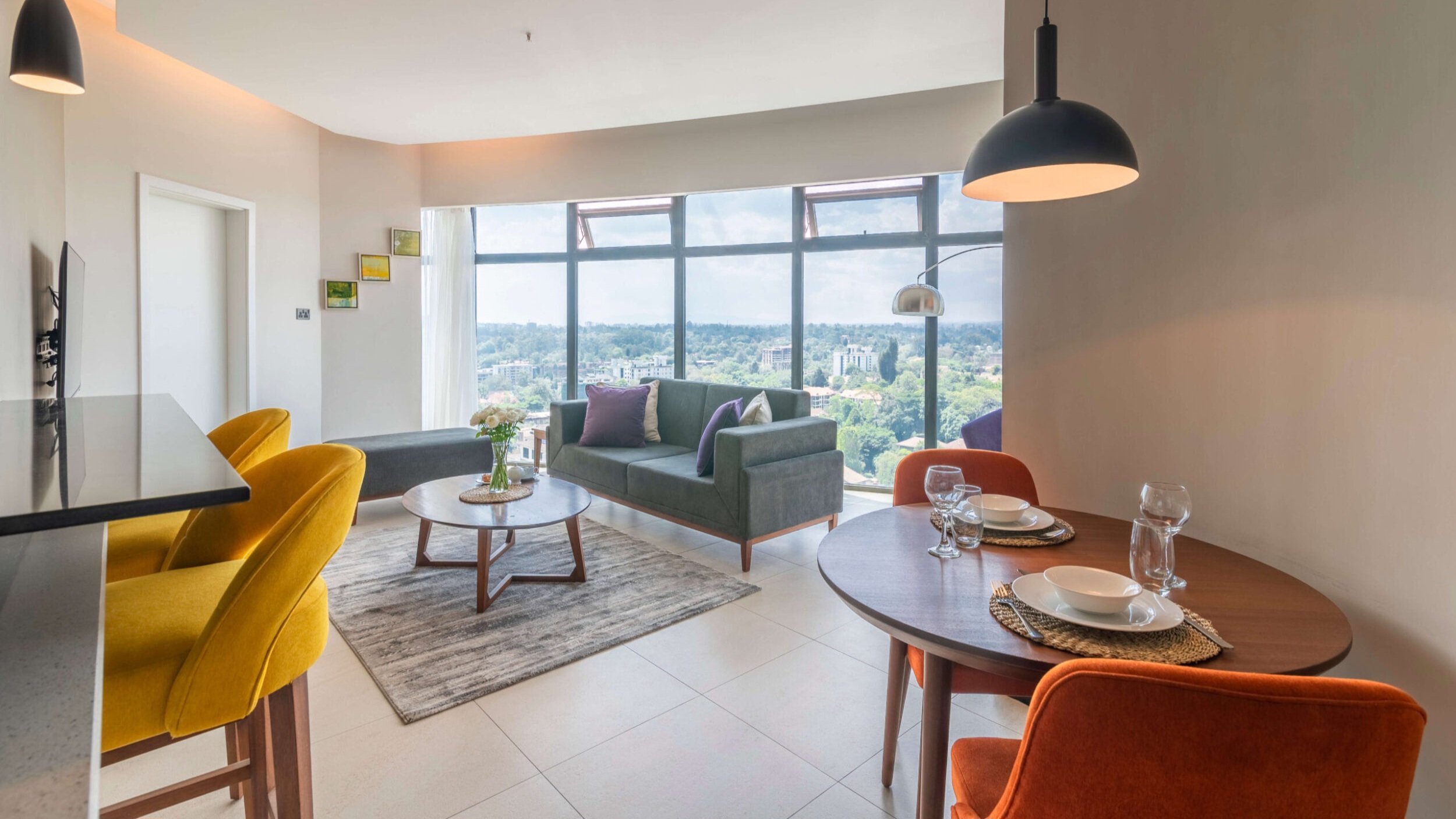

The hospitality landscape in Nairobi is undergoing a structural shift, as independent serviced apartment owners increasingly move away from self-management. Growing pressure from international competition and the need for higher occupancy rates are driving these developers into the arms of global hospitality giants.
Local developers, who previously managed their properties under private names, are now signing franchise or management agreements with recognized brands. This trend follows a realization that a global name often dictates the trust level of international business travelers and diplomatic staff visiting Kenya.
Market data suggests that properties operating under international flags tend to command higher daily rates and maintain more consistent occupancy than their unbranded counterparts. For many owners, the shift is a survival tactic in a market that has seen a surge in supply over the last decade.
International brands bring rigorous standardized systems, global marketing networks, and loyalty programs that local outfits cannot replicate. These systems are particularly vital when catering to corporate clients, who often require specific safety and service protocols before approving a stay.
The move toward branding is also linked to the professionalization of the sector. Historically, many serviced apartments in Nairobi were run as extensions of residential property management rather than true hospitality operations. This led to inconsistent service delivery that frustrated long-term guests.
Partnering with a global brand typically requires a significant initial capital injection. These international chains demand strict adherence to specific interior design, fire safety, and IT infrastructure standards before they allow their logo on the building.
Despite these high entry costs, the long-term benefits of a global partnership are becoming clearer to Kenyan investors. A global brand provides a steady pipeline of bookings via centralized reservation systems, which protects the property from the volatility of the local market.
The geographical focus of this branding wave is concentrated in Westlands, Kilimani, and Upper Hill. These areas have seen the highest density of new developments, creating a crowded environment where standing out requires more than just a prime location.
Industry analysts note that the arrival of more international players has raised the bar for everyone. Even developers who choose to remain independent are being forced to upgrade their amenities to keep pace with the branded suites.
Beyond the branding, the actual management of these units is becoming more sophisticated. There is a visible transition from simple apartment living to "aparthotels," where residents expect full hotel services, including 24-hour concierges, gyms, and in-house dining.
As the Nairobi market matures, the distinction between a traditional hotel and a serviced apartment continues to blur. This evolution is expected to attract even more institutional investors who prefer the stability offered by global brand associations.
For the local property owner, the choice is becoming stark: adapt to international standards through a partnership or risk being left behind by a more discerning, globalized traveler base.
Comments (0)
Leave a Comment
No comments yet. Be the first to share your thoughts!