
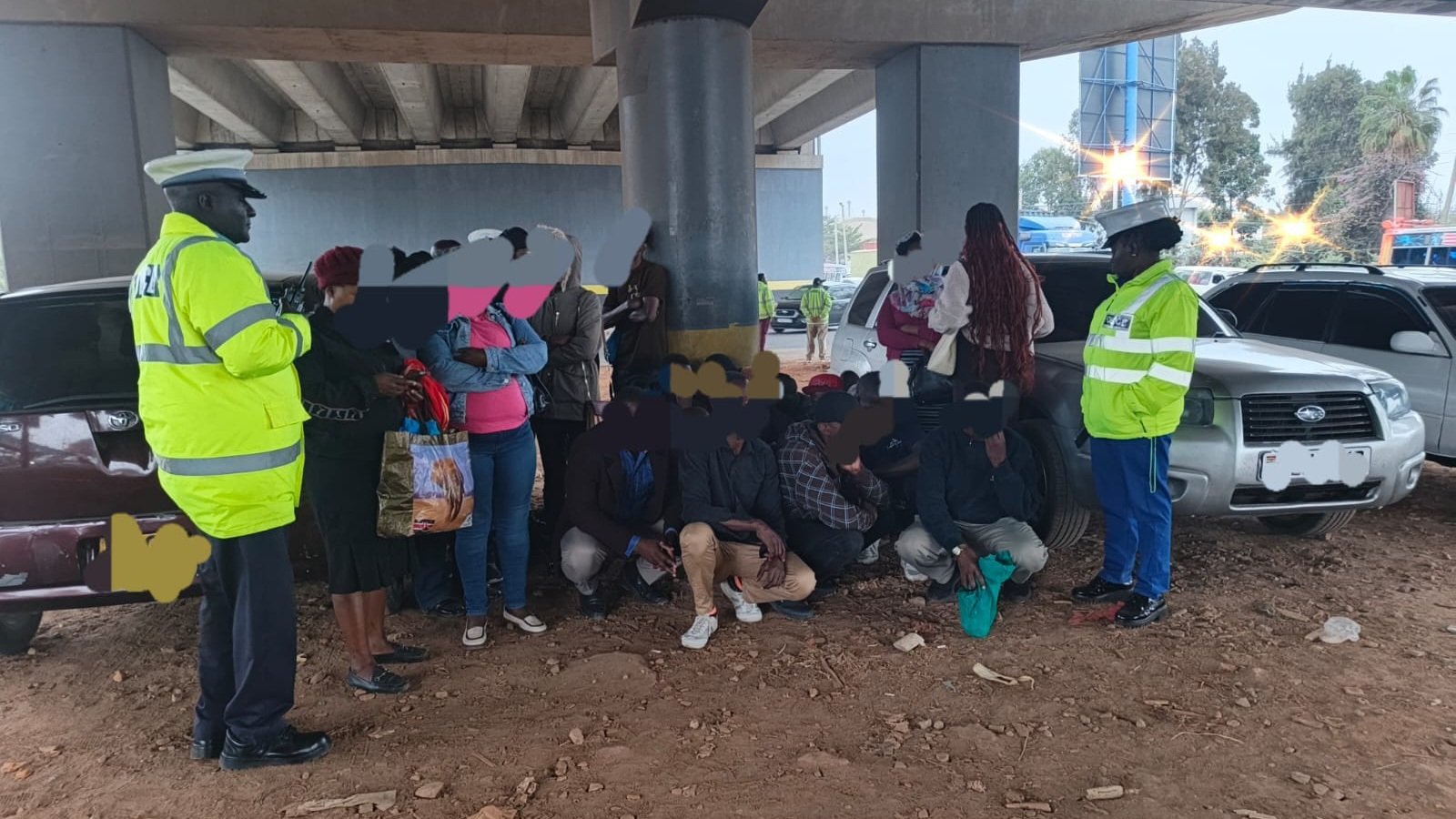

Pedestrian fatalities on Kenyan roads recorded an 17.98 per cent drop in July 2026, offering early evidence that intensified field enforcement by safety regulators is beginning to alter public crossing habits.
Data released by the National Transport and Safety Authority (NTSA) shows 146 pedestrians died in traffic crashes in July, compared to 178 during the same period in 2025.
The decline follows weeks of coordinated compliance operations conducted by NTSA inspectors alongside officers from the Kenya Police Service (KPS) Traffic Department.
Law enforcement teams focused heavily on busy arterial corridors and high-density urban transit nodes where commuters frequently attempt to cross multi-lane highways on foot.
Under Section 90(2)(c) of the Traffic Act, crossing roads at undesignated points remains an offence, yet jaywalking remains rampant across major municipal networks.
Officers centered operations around busy highway locations, including sections of the Thika Superhighway near Allsops, arresting non-compliant pedestrians and forcing traffic into designated footbridges.
The enforcement push arrives after alarming figures recorded during the first half of 2026, when pedestrians accounted for 836 out of 2,150 total road fatalities nationwide.
Safety regulators noted that pedestrians remain the single most vulnerable group on national transport corridors, followed closely by commercial motorcyclists and pillion passengers.
Urban transport planners have long argued that enforcement alone cannot resolve non-motorised transport hazards without adequate supporting infrastructure across primary road corridors.
NTSA acknowledged that while enforcement produced immediate results in July, long-term safety depends on public cooperation, traffic signal obedience, and expanded pedestrian infrastructure.
To address systemic vulnerabilities, the authority is working alongside national highway agencies to integrate non-motorised transport (NMT) facilities into existing and ongoing civil road contracts.
State engineering pillars now align with the International Road Assessment Programme (iRAP), evaluating corridor designs to ensure footbridges, sidewalk barriers, and marked crossings meet international safety ratings.
The government continues to pursue its National Road Safety Action Plan, aiming to drastically cut traffic injuries and fatalities, which currently cost the country billions annually.
Beyond law enforcement, NTSA continues to press municipal authorities and county governments to maintain pedestrian footbridges and eliminate informal openings created along median barrier walls.
Officials warned that compliance checks across major urban bypasses will persist throughout the second half of the year to sustain the downward trend in fatalities.
Comments (0)
Leave a Comment
No comments yet. Be the first to share your thoughts!