
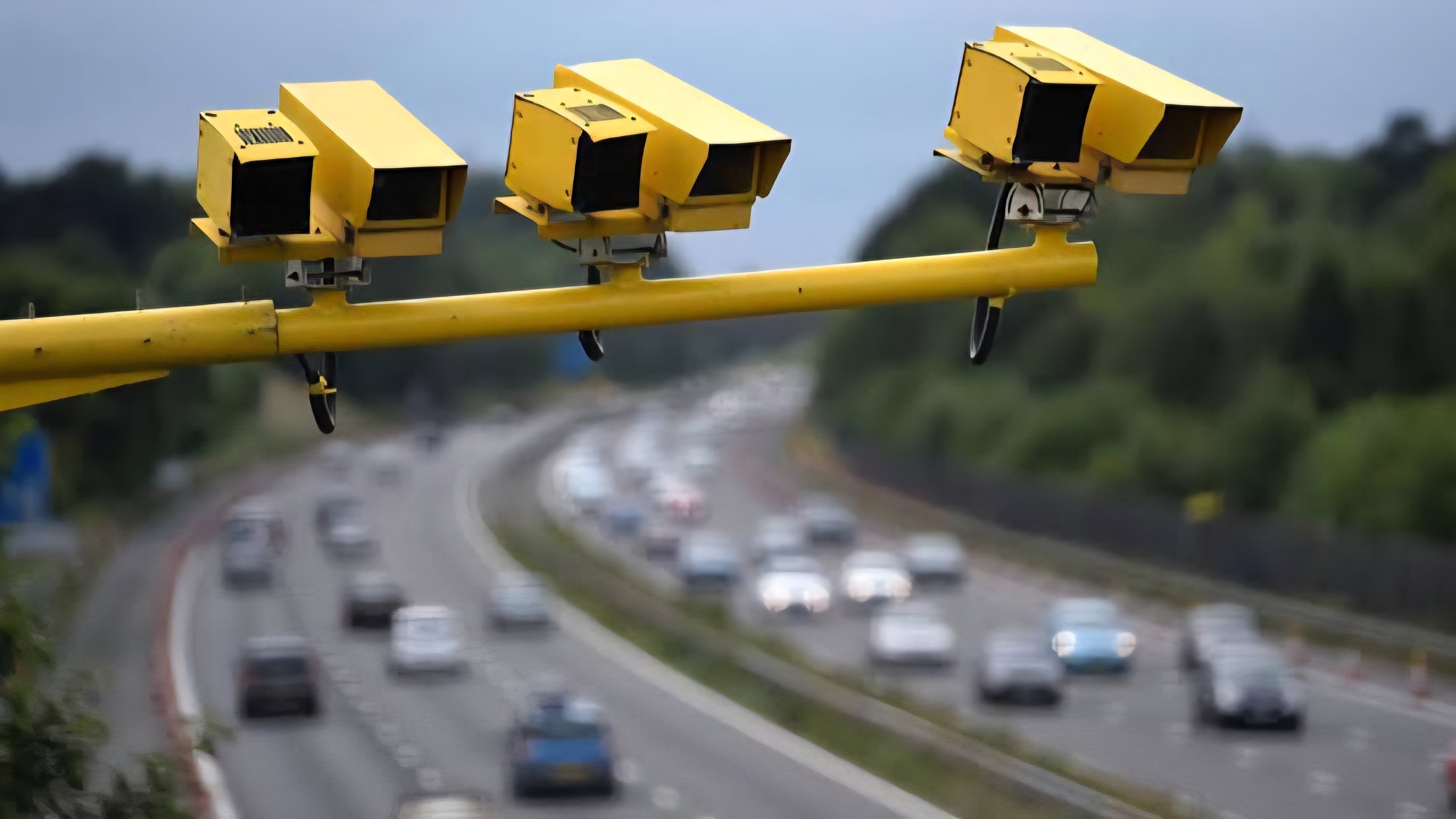

A public commentary published by Kenyan Facts highlights mounting anxiety on local highways, where automated traffic surveillance is creating unpredictable driving patterns. Motorists are finding it difficult to track fluctuating limits, which has led to dangerously erratic speeds on the same road sections.
The observation, which appeared on social media on July 3, 2026, describes a chaotic environment. According to the report, traffic on monitored corridors has fragmented into distinct groups operating at completely different speeds due to conflicting understanding of the local limit.
Some motorists drive slowly, because they believe the section is a 50 kilometers per hour zone. Meanwhile, another group travels between 60 and 70 kilometers per hour, because they assume the highway permits a maximum speed of 80 kilometers per hour.
A third group maintains a faster pace, because they believe the limit stands at 110 kilometers per hour. These drivers operate with their eyes continuously fixed on their speedometers, if they want to avoid automated tracking.
The report notes that a fourth group simply ignores the surveillance entirely. This includes reckless individuals, who continue flying down the highway at high speeds, although they face heavy financial penalties under the new traffic enforcement platform.
This fragmentation has turned major transport corridors into a mess, when multiple vehicle groups interact. The National Transport and Safety Authority (NTSA) recently activated its automated enforcement framework, but the transition is proving difficult for the driving public.
The infrastructure involves a network of over 1,000 cameras. This setup includes 700 fixed units alongside 300 mobile units deployed at high-risk zones, which automatically link violations to driver profiles. Fines are sent directly via short message service notifications.
Varying limits across short distances complicate compliance on city highways. For instance, sections of Thika Road allow 110 kilometers per hour, but nearby interchanges drop directly to 80 kilometers per hour, when drivers approach urban segments.
Similar variations affect the Nairobi Expressway and the Southern Bypass. Motorists frequently transition between different enforcement thresholds within minutes, if they do not carefully watch the roadside signs.
Safety advocates express concern that the new system inadvertently distracts drivers. Many motorists spend half of their travel time staring at their dashboards instead of watching the road, which increases the likelihood of rear-end collisions.
NTSA Director General Nashon Kondiwa recently defended the enforcement infrastructure. He maintained that existing road signage provides sufficient communication, but motorists argue that the signs are frequently obscured or placed too close to camera zones.
The automated platform follows a long public-private partnership project designed to modernize local traffic infrastructure. While the technology aims to reduce corruption and improve road safety, it requires better public education regarding specific corridor limits.
Drivers are increasingly relying on third-party mobile navigation applications to track live speeds and receive audible warnings. However, these digital solutions are not always perfectly synchronized with local adjustments made by highway engineers.
The minor traffic rules framework prescribes strict penalties for violators. Exceeding the speed limit by small margins results in financial warnings, but higher infractions attract heavy penalties that must be settled through designated banking channels.
As the rollout expands, transport analysts stress the need for standardized speed thresholds across urban highways. Until limits are harmonized or clearly marked, traffic flow on monitored corridors will likely remain irregular and highly unpredictable.
Comments (0)
Leave a Comment
No comments yet. Be the first to share your thoughts!