
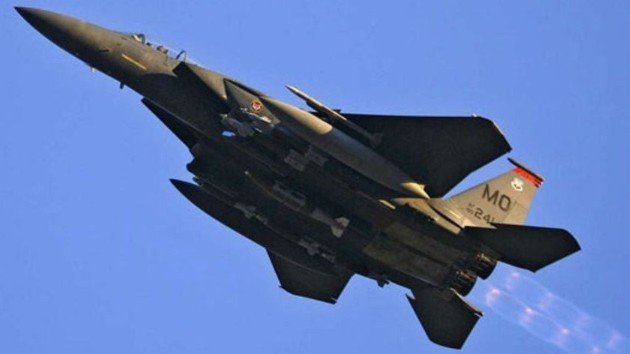

Ejecting from a fighter jet is one of the most extreme survival procedures in aviation. It is designed to save a pilot’s life when the aircraft can no longer be controlled or is about to crash. Although the system is meant to protect the pilot, the process exposes the body to very powerful forces and sudden environmental changes. Even when the ejection works perfectly, the human body goes through intense stress within a few seconds.
The process begins when the pilot pulls the ejection handle. Modern fighter jets use explosive charges or rockets to fire the ejection seat out of the cockpit. The canopy above the pilot is either blown away or shattered before the seat launches. The seat then shoots upward at very high speed to clear the aircraft. This happens in less than a second. During this moment, the body experiences strong acceleration forces, often between 12 and 20 times the force of gravity. This force pushes the pilot hard into the seat and compresses the spine.
Because of these strong forces, spinal injuries are one of the most common effects of ejection. The sudden push can compress the vertebrae and sometimes cause fractures. Pilots are trained to sit upright with their head against the seat and elbows close to the body to reduce injury. Even with good posture, many pilots suffer back pain after ejecting. Some may experience long term spinal problems, while others recover after treatment and rest.
The neck and head also face risk during ejection. As the seat blasts upward, strong wind hits the body immediately after leaving the aircraft. If the head is not properly positioned, the sudden airflow can cause neck strain or whiplash like injuries. Helmets and head support systems are designed to reduce this risk, but the movement can still be violent.
Another challenge is the rapid change in air pressure and speed. Fighter jets often fly at very high altitude and speed. If a pilot ejects at such conditions, the body is suddenly exposed to extremely cold air and powerful wind. The temperature at high altitude can be far below freezing. At the same time, the wind blast can exceed hundreds of kilometers per hour. This can cause breathing difficulty, skin exposure problems and disorientation for a short time.
After the seat clears the aircraft, a small stabilizing parachute usually deploys to slow and stabilize the seat. Shortly afterward, the main parachute opens and the pilot separates from the seat. By this time, the body may still be shaking from the earlier forces. The parachute descent is slower, but landing on the ground still carries some risk. Pilots are trained to land with bent knees and roll to reduce injury, yet broken bones or sprains can still happen depending on the terrain and wind.
Another effect on the body is the sudden shock and stress during the event. Ejection often occurs during emergencies such as engine failure, fire, or loss of control. The pilot must make a quick decision within seconds. This intense situation can cause a spike in adrenaline and heart rate. After landing, some pilots may experience temporary confusion, exhaustion, or emotional shock.
There are also risks related to the arms and legs during the launch. The strong airflow can pull limbs outward if they are not tightly positioned. This is why pilots are trained to keep their arms and legs close to the seat. If the body is not in the correct posture, injuries such as shoulder dislocation or leg fractures may occur.
Despite these risks, ejection seats have saved thousands of lives since they were introduced in military aviation. Modern designs include better rockets, sensors, and automatic systems that help adjust the seat for different flight speeds and altitudes. Protective gear such as helmets, flight suits, and harnesses also help reduce injuries.
Even so, ejection is always considered a last resort. The forces involved are simply too strong for the body to handle comfortably. Many pilots who eject survive but require medical examination afterward. Doctors often check for spinal compression, muscle injuries and signs of internal strain. Some pilots return to flying after recovery, while others may take longer to regain full health.
In the end, the ejection seat is a life saving device built for extreme situations. It works in a matter of seconds, giving a pilot a chance to survive when staying in the aircraft would be fatal. However, the human body must endure powerful acceleration, strong wind and the impact of landing, making it one of the most physically demanding escape methods ever developed in aviation.
Comments (0)
Leave a Comment
No comments yet. Be the first to share your thoughts!