
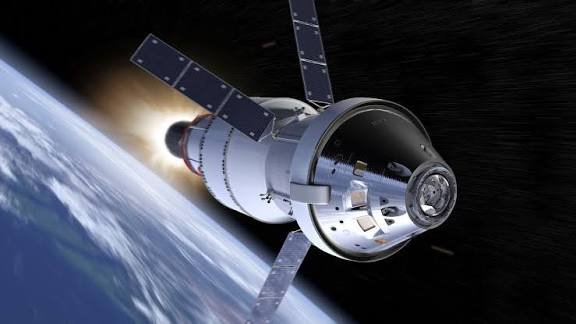

NASA has pushed back the first crewed flight of the Artemis program, Artemis II, to no earlier than March 6, 2026, after hydrogen leaks surfaced during a critical fueling rehearsal of the Space Launch System rocket in early February.
The problem emerged on February 3 at Kennedy Space Center when teams began loading super-cold liquid hydrogen and oxygen into the SLS core stage for a wet dress rehearsal. Sensors detected leaks at the ground umbilical connections near the rocket's base. Technicians attempted to reseat seals by warming the interfaces and adjusting flow rates, but the leaks continued, forcing a halt with about five minutes left on the countdown clock.
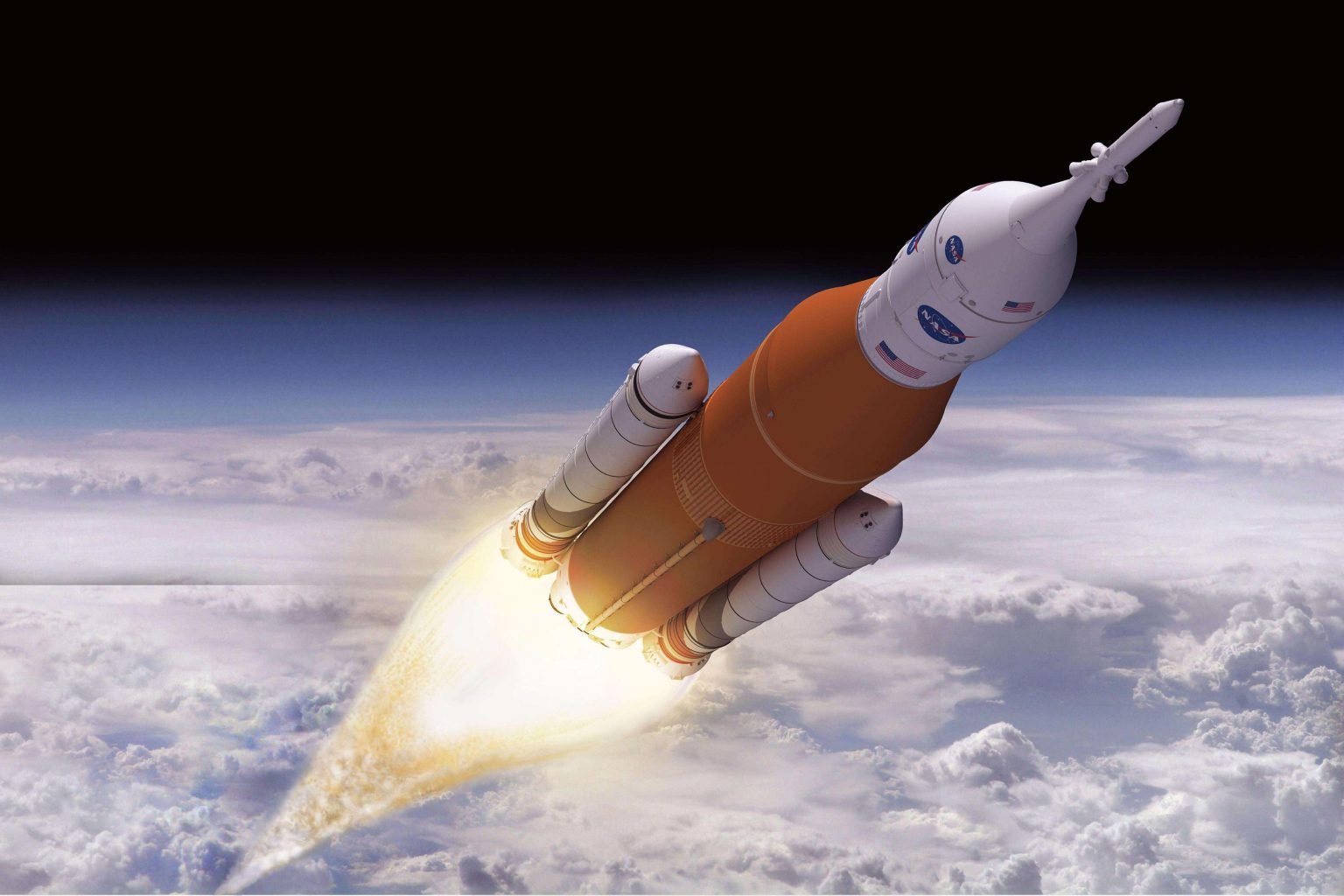
The SLS Rocket
Engineers later traced part of the issue to seals in the tail service mast umbilicals. They replaced two seals and conducted a confidence test on February 12. That run produced lower leak rates than the initial attempt and delivered valuable data, but it also revealed a separate restriction: hydrogen flow lagged behind expectations because of a clogged filter in the ground support equipment. NASA swapped out the filter over the weekend and scheduled a second wet dress rehearsal as soon as February 19 to confirm the repairs hold.
If the upcoming test runs cleanly, the agency could lock in the March window. A failure would likely force the rocket stack back to the Vehicle Assembly Building for additional troubleshooting, possibly including replacement of flight termination system batteries that have a limited shelf life.
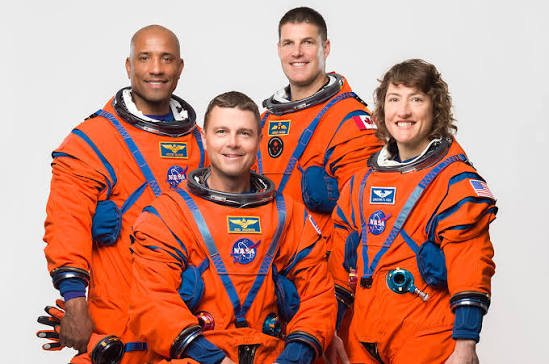
The crew
Artemis II will send four astronauts—commander Reid Wiseman, pilot Victor Glover, mission specialist Christina Koch, and Canadian astronaut Jeremy Hansen—on a roughly ten-day journey around the Moon in the Orion spacecraft. The mission carries no lunar landing module; its purpose is to prove Orion can keep a crew alive and safe in deep space, test the spacecraft’s propulsion, guidance, and heat shield under reentry conditions, and validate communication links over lunar distances.
The SLS rocket itself stands 322 feet tall and draws on four RS-25 core-stage engines and two five-segment solid rocket boosters originally developed for the Space Shuttle. At liftoff it produces 8.8 million pounds of thrust, making it the most powerful rocket NASA has ever flown. The vehicle has already completed one uncrewed test, Artemis I, which launched in November 2022 after years of delays tied in part to similar hydrogen-handling difficulties.
Those earlier fueling struggles during Artemis I preparations—multiple scrubs in 2021 and 2022—forced engineers to refine procedures for managing cryogenic propellants. Liquid hydrogen’s extremely low temperature, around minus 423 degrees Fahrenheit, causes metal components to contract, sometimes misaligning seals or allowing microscopic gaps that lead to escapes. The propellant’s low molecular weight also makes even small leaks detectable quickly, but fixing them requires warming, drying, and retesting entire systems.
The current delay keeps Artemis III, the first crewed lunar landing under the program, targeted for no earlier than mid-2027. That mission depends on a successful Artemis II plus development of SpaceX’s Starship Human Landing System, which will ferry astronauts from lunar orbit to the surface and back. Starship itself still requires demonstration of orbital refueling, adding further technical and scheduling risk.
On the ground, the Artemis effort has driven major infrastructure work at Kennedy Space Center. Launch Pad 39B received upgrades to its flame deflector, water deluge system, and lightning protection towers to accommodate SLS. The mobile launcher, a 380-foot-tall steel structure that carries the rocket from the Vehicle Assembly Building to the pad, underwent reinforcement after Artemis I vibration data showed higher-than-expected loads. These modifications, along with ongoing work on crawler-transporters and propellant farms, represent hundreds of millions of dollars in civil construction tied directly to the program.
Boeing assembles the SLS core stage at Michoud Assembly Facility in New Orleans, while Northrop Grumman produces the solid rocket boosters in Utah. Orion’s European Service Module comes from facilities in Germany and Italy under ESA contract. The international makeup extends to crew assignments and future Gateway station components, which will eventually support longer lunar stays.
NASA officials, including Administrator Jared Isaacman, have described the recent tests as productive despite the setbacks. They point to reduced leak rates after the seal replacements and stress that gathering real data from actual cryogenic loading remains essential before committing a crew. The agency continues to balance the need for thorough verification against schedule pressure as lunar return plans stretch into the late 2020s.
With the second wet dress rehearsal days away, teams at Kennedy Space Center are watching hardware, weather forecasts, and test results closely. A successful run would clear a major technical hurdle for the crewed mission. Another issue could push timelines further, but for now the focus stays on resolving the hydrogen leaks that have grounded progress since early February.
Comments (0)
Leave a Comment
No comments yet. Be the first to share your thoughts!