
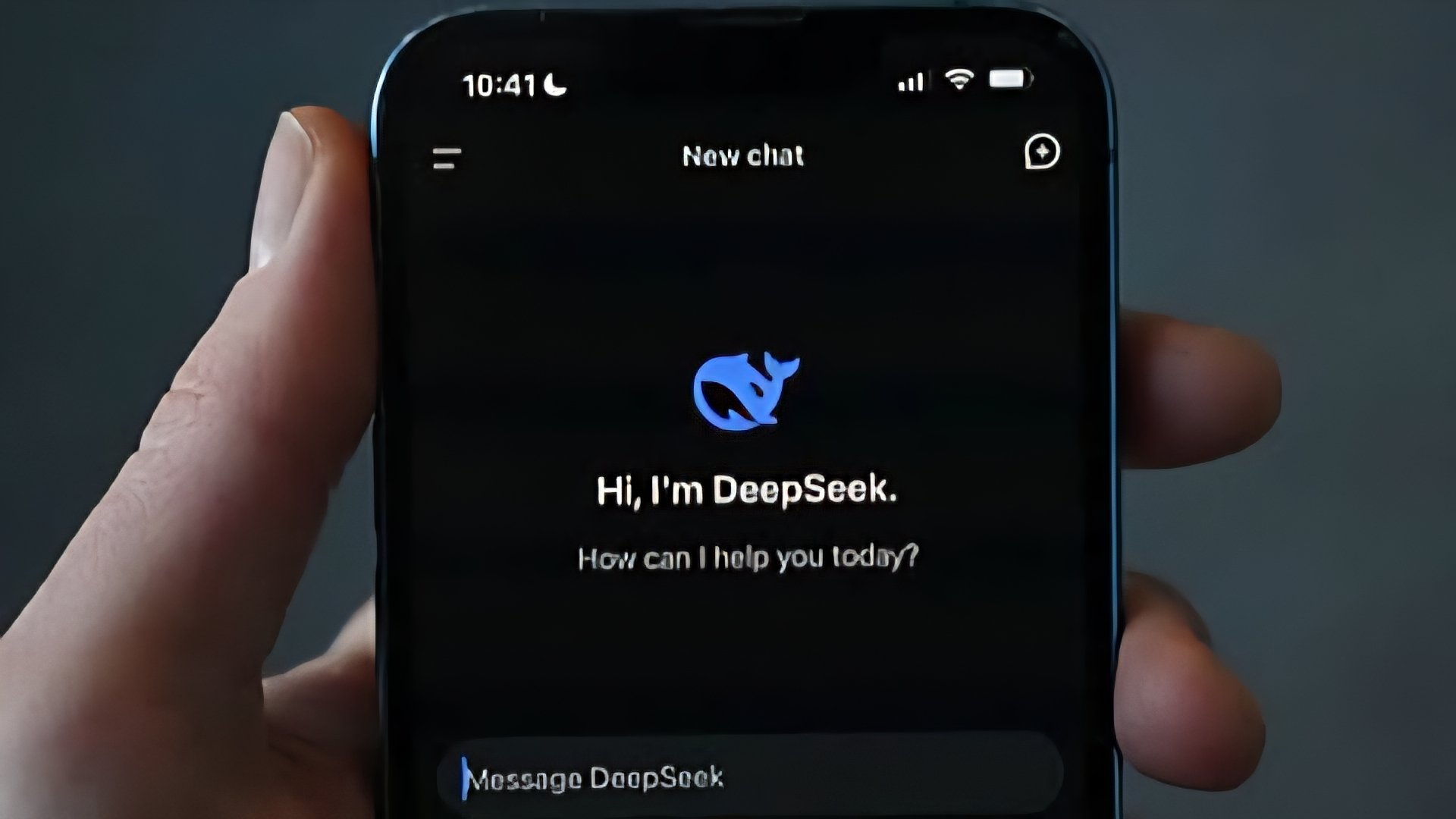

While the world buzzed about DeepSeek, a cutting-edge, open-source AI model from a Beijing-based startup that rivaled global giants like GPT-4 in capabilities, the nation's most viral tech product wasn't about machine learning or quantum computing. Instead, it was a simple app designed to combat the fear of dying alone. Launched quietly but exploding in popularity, "Are You Dead?" (known as Sileme in Chinese, a pun on the popular food delivery app Eleme) topped app store charts across China, downloaded millions of times within weeks.

This unassuming tool, which prompts users to check in daily by tapping a green button, sends an alert to emergency contacts if two consecutive days are missed, highlighting a profound societal shift. Forget the glamour of AI; China's latest tech obsession taps into the raw anxieties of isolation in a rapidly aging and urbanizing society.
The app's rise is no accident. Developed by Moonscape Technologies, a small, Hangzhou-based firm, it was inspired by online forums where young professionals shared hypothetical ideas for safety nets in solitary living. Co-founder Ian Lu, a 29-year-old former Shenzhen tech worker, drew from his own experiences of grueling work schedules (9 a.m. to 9 p.m., six days a week) that left little room for social connections. "I felt submerged in loneliness," Lu recalled in interviews, describing nights walking home alone, fearing the worst.
The app's core mechanic is straightforward: a daily push notification asks users to confirm they're alive. Miss it once, and a reminder follows; skip twice, and a preset message notifies friends or family. Priced at a modest fee, it quickly went viral on platforms like RedNote, a social media site favored by women, where users praised it as a practical lifeline. However, controversy ensued. Apple removed it from its China store, possibly over sensitivities to superstitious themes, prompting Lu to rename it Demumu, blending death with a cute cultural reference. Counterfeit versions proliferated, underscoring its cultural resonance.
This tech fixation on solitary death reflects deeper demographic tremors shaking China. The country is grappling with record-low marriage and birth rates, exacerbating isolation. In 2024, only 6.1 million couples tied the knot, a historic nadir, while divorces reached 2.6 million. Births plummeted to 7.92 million, yielding a fertility rate of just 5.63 per 1,000 people, the lowest ever. China's population has been shrinking annually since 2022, with projections estimating up to 200 million single-person households by 2030. An aging society compounds this; by 2040, over 400 million people will be 60 or older, many living alone due to urban migration and the one-child policy's lingering effects.
Young adults, especially in megacities like Shanghai and Beijing, delay or forgo marriage amid economic pressures, soaring housing costs, and "involution," a term for hyper-competitive work that yields diminishing returns. Women, in particular, are opting out of traditional roles, embracing independence through what some call RedNote feminism, where social media fosters communities around single living. Yet this freedom comes with shadows; stories of empty-nest youth who rarely see family and reclusive, unemployed individuals hiding from societal stigma paint a picture of profound disconnections.
This obsession signals a maturing tech ecosystem pivoting from flashy innovations to empathetic utilities. As China's youth navigate economic slowdowns (youth unemployment hovers at 15 percent) and postpone life milestones, tools like "Are You Dead?" humanize technology, reminding us that amid population decline and social atomization, the simplest apps can combat the deepest fears. It's a wake-up call: while AI like DeepSeek pushes boundaries, the real breakthroughs may lie in safeguarding the solitary soul. In a nation of 1.4 billion, feeling unseen is the ultimate peril, and tech is stepping in where society falls short.
Comments (0)
Leave a Comment
No comments yet. Be the first to share your thoughts!