
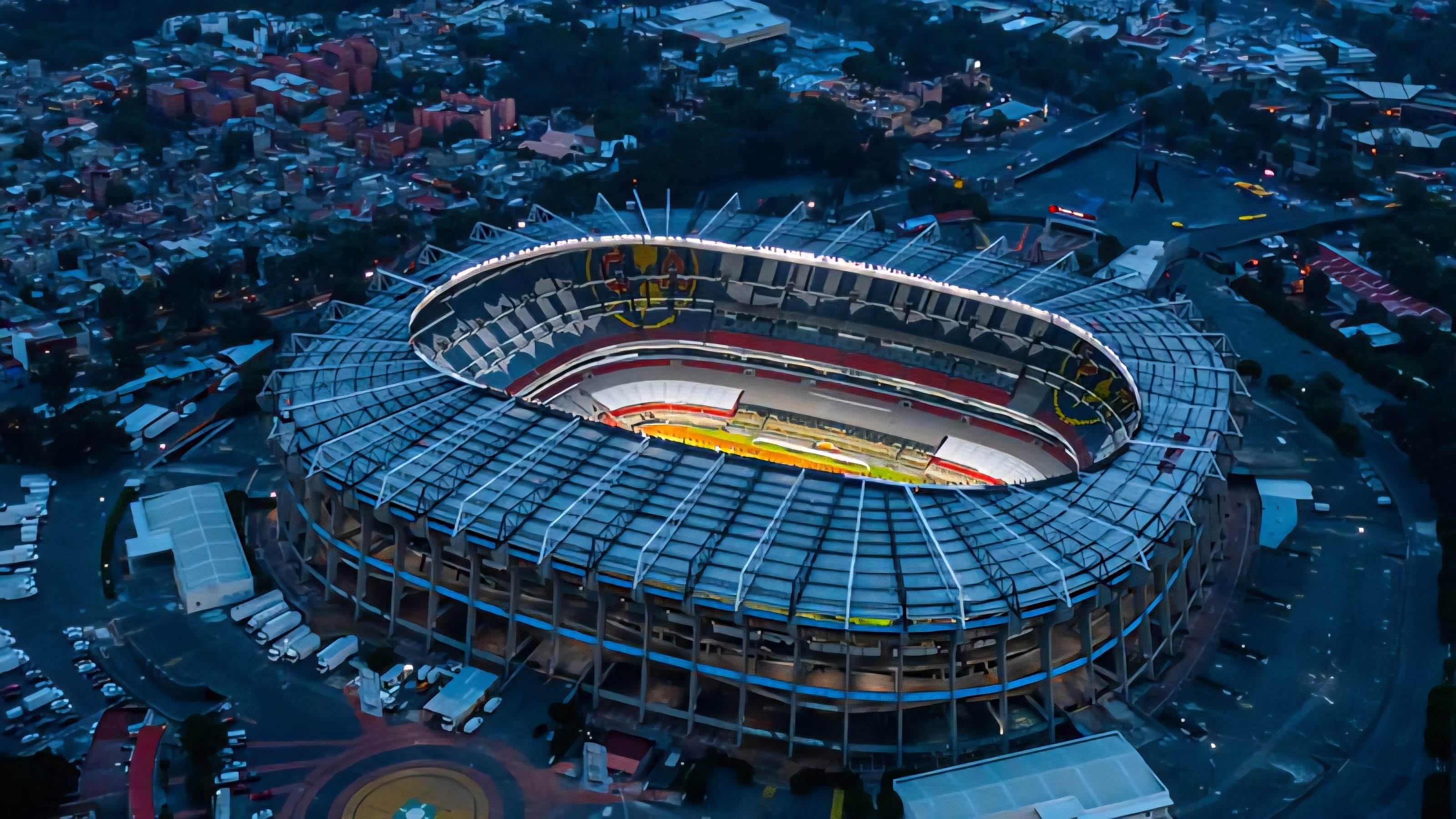

The Estadio Azteca in Mexico City is preparing to make history as the first venue to host three FIFA World Cup opening matches. However, the planned upgrades for the 2026 tournament have surfaced deep-seated tensions between urban redevelopment goals and the daily survival of the surrounding neighborhoods in Santa Úrsula and Coapa. While the stadium remains a symbol of Mexican sporting heritage, its modernization is now at the center of a dispute involving resource management and social equity.
Local community groups have organized under the banner of the Asamblea Vecinal del Pueblo de Santa Úrsula Coapa to challenge the scale of the proposed changes. The initial master plan for the precinct included not only stadium renovations but also the construction of a large commercial complex featuring a shopping mall, a luxury hotel, and extensive parking facilities. Residents argue that such high-consumption infrastructure will exacerbate an existing water crisis in a city already struggling with a depleting aquifer and crumbling utility networks.

Mexico City faces systemic water challenges, with many southern districts relying on intermittent supply or expensive private water tankers. Community leaders contend that the Estadio Azteca project will prioritize the needs of international visitors and commercial tenants over the basic rights of the established population. Despite developers scaling back some of the most ambitious commercial aspects of the plan in response to public pressure, skepticism remains high regarding the long-term impact on the local water table.
Environmental experts have noted that the area around the stadium is geologically significant, built on volcanic rock that plays a role in the city's natural drainage and filtration systems. Massive new concrete footprints for commercial use could interfere with these natural processes. While FIFA requires host venues to meet specific modern standards regarding hospitality and media facilities, the local resistance suggests that the cost of meeting these requirements is being shifted onto the most vulnerable citizens.
The Mexican government and tournament organizers have emphasized the economic benefits of the World Cup, including job creation and tourism revenue. They maintain that the stadium upgrades are necessary to keep the iconic venue viable for the next generation. However, the neighborhood assemblies have remained firm, using legal challenges and public demonstrations to demand that any development include guaranteed water security for residents and protections against forced displacement.
As construction timelines tighten ahead of June 2026, the standoff at Estadio Azteca serves as a case study in the complexities of hosting mega-events in the Global South. The tension is no longer just about football or architecture. It is a debate over who the city belongs to and whether the legacy of a six-week tournament can justify the potential depletion of essential resources for the people who live there year-round.
Comments (0)
Leave a Comment
No comments yet. Be the first to share your thoughts!