
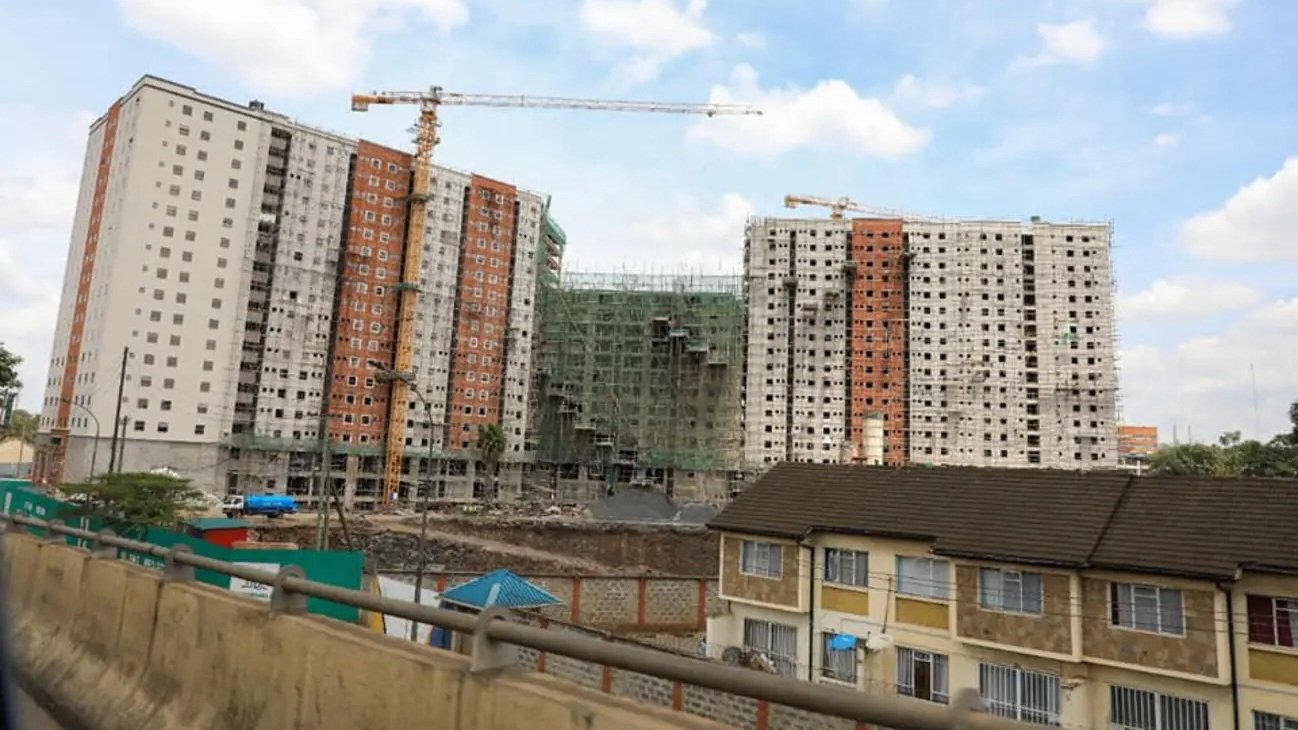

A new audit report has sent shockwaves through the construction and housing sectors, revealing that the Kenya Revenue Authority (KRA) currently lacks the legal teeth to compel every eligible Kenyan to pay the 1.5 percent housing levy. The findings suggest a significant breakdown in the collection pipeline, which was designed to bankroll the government’s ambitious affordable housing agenda.
According to the audit, the absence of a robust enforcement framework has created a loophole, which thousands of employees and private firms are now exploiting. While the levy was introduced to create a steady stream of capital for high-density residential projects across the country, the report indicates that a substantial portion of this money is not reaching the designated fund.
The KRA, which acts as the collecting agent for the levy, finds itself in a precarious position. Without specific statutory powers to penalize non-compliance or mandate deductions from certain informal or semi-formal sectors, the taxman is effectively watching potential billions slip through the cracks. This revelation comes at a time when the state is breaking ground on numerous sites, banking on these very funds to pay contractors and suppliers.
Industry analysts note that the uncertainty surrounding the collection process could stall ongoing projects. If the fund experiences a deficit, the timelines for delivering thousands of units to low-income earners may be pushed back indefinitely. The audit highlights that the current system relies heavily on voluntary compliance from large-scale employers, but fails to capture a wider net of the workforce.
The leakage in the housing levy collection is not just a fiscal issue, but a major hurdle for the infrastructure landscape. Construction firms, many of whom have already signed onto government contracts, are monitoring the situation closely. Any delay in the remittance of these funds directly impacts the cash flow of firms on the ground, potentially leading to stalled sites and man-hours lost.
The report further suggests that the government must urgently address the legislative gaps that hinder the KRA. Without a clear mandate, the levy remains a suggestion for many, rather than a mandatory contribution. The Ministry of Lands and Housing is now under pressure to clarify how it intends to bridge the funding gap, although no immediate solution has been tabled to fix the enforcement vacuum.
As the situation stands, the discrepancy between the expected revenue and the actual cash hitting the fund accounts continues to grow. For the construction sector, which has seen a surge in activity linked to social housing, the audit serves as a warning that the financial foundation of these projects may be more fragile than previously thought.
The findings of this audit are expected to trigger a review of the Affordable Housing Act, as the state looks for ways to empower the KRA. Until then, the 1.5 percent levy remains a contested and inconsistently applied tax, leaving the future of various housing developments hanging in the balance.
Comments (0)
Leave a Comment
No comments yet. Be the first to share your thoughts!