
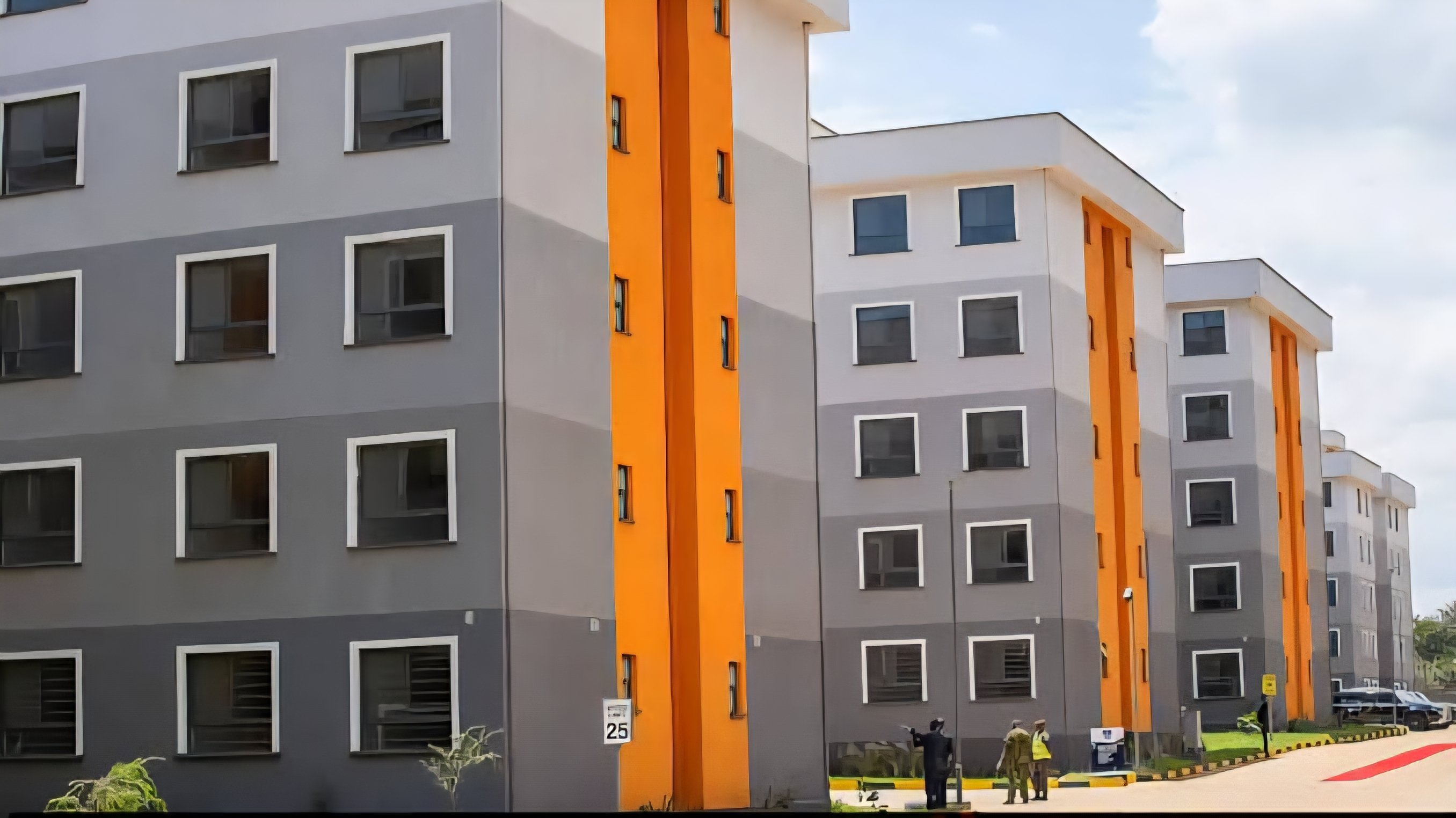

The government has revealed plans to initiate a large-scale housing construction drive immediately following the 2027 general election. This move signals a strategic shift in how the state manages its flagship affordable housing program, which has become a central part of the current administration’s infrastructure agenda.
According to state projections, the focus will transition toward a massive secondary phase of development. This involves a sustained blitz to increase the national housing stock once the upcoming electoral cycle concludes. Senior officials indicate that the period after 2027 will see a more aggressive implementation of residential projects across the country.
The Ministry of Lands, Public Works, Housing and Urban Development has been coordinating with various agencies to ensure the groundwork for these projects is ready. This includes the identification of vast tracts of public land and the finalization of partnerships with private developers.
While the current administration has been vocal about its target of 200,000 units annually, the post-2027 period is being framed as a time for scaling these efforts even further. The government believes that the infrastructure for the Affordable Housing Program (AHP) will be fully mature by then, allowing for faster delivery of units.
President Ruto has consistently defended the housing levy, which provides the financial backbone for these developments. The levy is intended to create a reliable pool of capital that can sustain long-term construction without relying solely on the erratic nature of the national budget or external debt.
Journalistic reports indicate that the timing of this blitz is intentional. By scheduling the largest phase of the rollout after the polls, the state aims to ensure that major construction contracts and long-term urban planning are not disrupted by the typical economic slowdown associated with Kenyan election years.
Investors and contractors are already positioning themselves for these future tenders. The state plans to utilize advanced building technologies to meet the anticipated demand. This includes the use of Expanded Polystyrene (EPS) panels and precast concrete components to reduce the traditional turnaround time for high-rise residential blocks.
In Nairobi and other major towns, the state is also looking at urban regeneration projects. This involves replacing old, dilapidated colonial-era estates with modern, high-density apartments. These projects are expected to be a primary feature of the post-election construction landscape.
The Ministry has clarified that the current ongoing projects will continue as scheduled. However, the sheer volume of the planned post-2027 rollout is expected to dwarf previous efforts. This strategy relies on the continued stability of the housing fund and the willingness of the private sector to participate in joint ventures.
Critics have raised questions about the feasibility of such a back-loaded schedule, but the government maintains that the current phase is primarily about setting the legal and financial foundations. They argue that once the framework is solid, the actual building phase can be accelerated without the bureaucratic hurdles faced during the program's inception.
As 2027 approaches, the construction sector remains one of the few areas showing consistent growth projections. The government’s commitment to a post-election surge provides a level of certainty for manufacturers of cement, steel, and other essential building materials.
Comments (0)
Leave a Comment
No comments yet. Be the first to share your thoughts!