
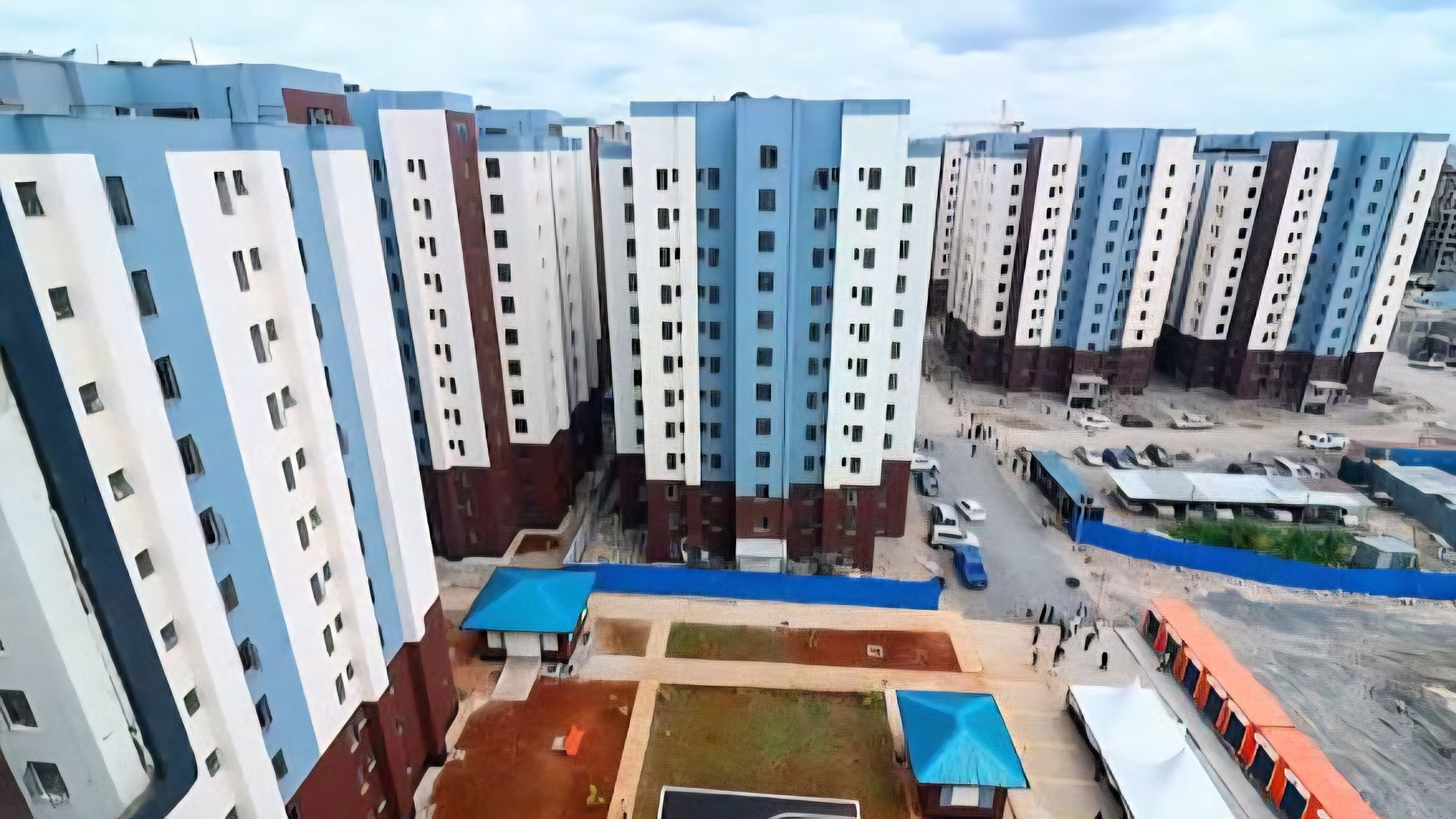

The National Treasury has adjusted the expected revenue from the Affordable Housing Levy for the 2025/26 financial year, setting a new collection target of Sh97 billion. This upward revision follows a period of robust performance in receipts, which the state attributes to enhanced enforcement measures and broader compliance among employers and employees.
Official data indicate that the initial projections were surpassed as the Kenya Revenue Authority intensified its role as the designated collector. In the previous fiscal cycle, the levy generated over Sh73 billion, exceeding the baseline by approximately 15 percent. This steady flow of capital is intended to sustain the momentum of the Affordable Housing Programme, which currently manages multiple active sites across the country.
A significant portion of the collected funds is being directed toward massive residential developments, such as the Mukuru Housing Estate in Nairobi. Phase 1 of the Mukuru project, which was commissioned in mid-2025, serves as a primary example of the scale the government intends to maintain. The site features thousands of units ranging from social housing studios to market-rate two-bedroom apartments, aimed at reducing the housing deficit in the capital's informal settlements.
The Treasury has noted that while construction remains the primary priority, unutilized funds have been placed in short-term government securities. This strategy is designed to preserve the value of the pool while individual projects move through the various stages of procurement and groundbreaking. The government maintains that these investments ensure the fund remains liquid and capable of meeting contractor obligations as more sites reach peak activity.
Enforcement of the 1.5 percent deduction on gross monthly salaries has been a central pillar of the revenue strategy. The Kenya Revenue Authority has integrated the housing levy into the iTax platform, making it a mandatory component of monthly payroll returns. This digital integration, coupled with penalties for non-compliance, has stabilized the monthly inflows, allowing the Treasury to plan for larger infrastructure outlays in the coming years.
Beyond the Mukuru project, the expanded budget supports a pipeline of over 320,000 units that are currently at various phases of development. The Lands Ministry recently confirmed that the 2026 plan involves scaling up these efforts to include more institutional housing for security forces and the civil service. These projects are distributed across the 47 counties, with some developments utilizing a public-private partnership model to supplement the funds raised through the levy.
Critics and stakeholders have called for continued transparency regarding the allocation of the Sh97 billion. In response, the Affordable Housing Board has emphasized that the funds are ring-fenced for housing and associated infrastructure, such as sewer lines and access roads. The board is required to provide annual investment programs to ensure that the capital is deployed efficiently and according to the established priority list.
As the government races to meet its delivery targets, the focus remains on completing existing flagship projects. The handover of units at sites like Mukuru and Roysambu marks the transition from collection to tangible delivery. With the revised Sh97 billion target, the Treasury appears confident that the financial framework is robust enough to support the next phase of the national housing agenda.
Comments (0)
Leave a Comment
No comments yet. Be the first to share your thoughts!