

A version of this article appeared on The Conversation.
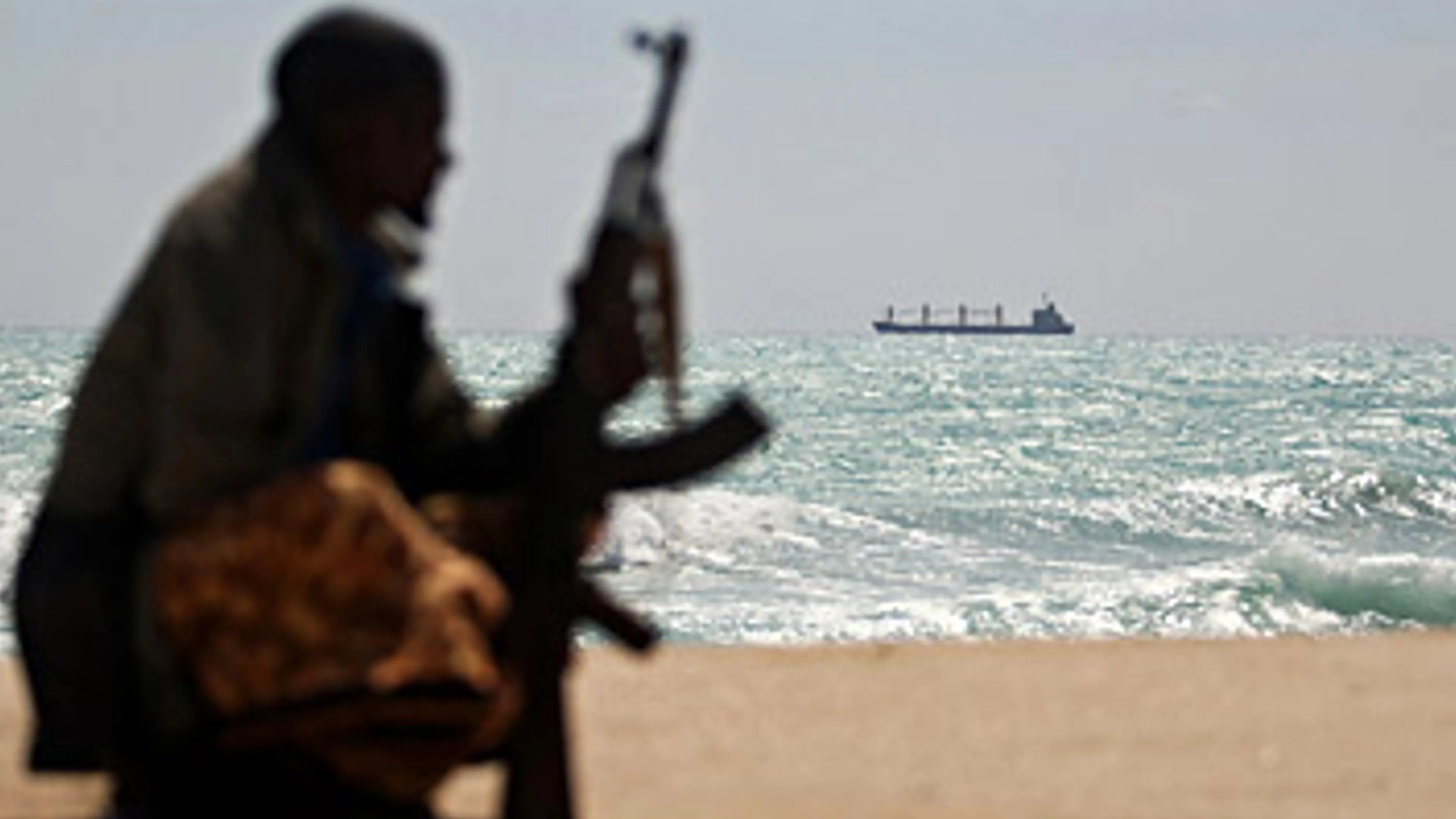
On the evening of April 26, armed men hijacked the Egyptian merchant vessel Sward a few miles off the Somali coast. The captors quickly steered the vessel toward an anchorage near the port of Garacad, located in Puntland, which is a semi-autonomous state in north-eastern Somalia.
Over the following days, more armed men and an interpreter joined the vessel to initiate ransom negotiations with the shipowner. This incident is not isolated, as maritime security tracking indicates a broader, sudden resurgence of activities by Somali pirates who had remained dormant for years.
The return of these groups threatens critical global infrastructure corridors, specifically the maritime shipping channels that connect Europe, Asia, and the East African coast. Security analysts point to a combination of institutional failure, funding shortages, and global geopolitical shifts that cleared the way for these operations.
Between 2005 and 2012, Somali pirates launched more than 1,000 attacks on foreign vessels, successfully hijacking 218 ships and taking over 3,700 sailors hostage. During that period, shipowners paid an estimated US$50 million in ransoms annually, while trade disruptions and security measures cost the global economy up to US$18 billion.
Coordinated interventions eventually suppressed the threat. A multi-layered defensive framework consisting of private armed security guards, international naval patrols, and land-based community development initiatives effectively contained the networks, though the structural support systems of the pirate kingpins were never fully dismantled.
The recent operational gaps emerged because international naval forces are heavily diverted. The ongoing war involving Iran has forced naval coalitions to redeploy warships to alternative chokepoints, leaving the Western Indian Ocean and the approach routes along the Horn of Africa with diminished surveillance.
Concurrently, severe domestic challenges inside Somalia have weakened local containment capabilities. The federal government faces intense political turmoil, marked by delayed elections and deep friction between Mogadishu and regional administrations, including Jubaland, where authorities are struggling over the consolidation of domestic power.
These political disputes have fractured local governance and distracted local security forces. In Puntland, the regional military forces are heavily engaged in combating an Islamic State (IS) offensive in the northern mountains, leaving fewer resources available to monitor vulnerable coastal ports and beachheads.
Economic distress on land further accelerates the problem. Severe aid cuts have reduced local livelihood options, making the lucrative maritime extortion market attractive again to coastal communities where previous pirate networks are remembered as significant, albeit illicit, employers.
Shipping lines are now facing a return to high-risk protocols, including rerouting vessels, which escalates fuel costs and inflation risks. If local partnerships fail to stabilize the shorelines, global supply chains will face prolonged disruption across these vital trading lanes.
Comments (0)
Leave a Comment
No comments yet. Be the first to share your thoughts!