
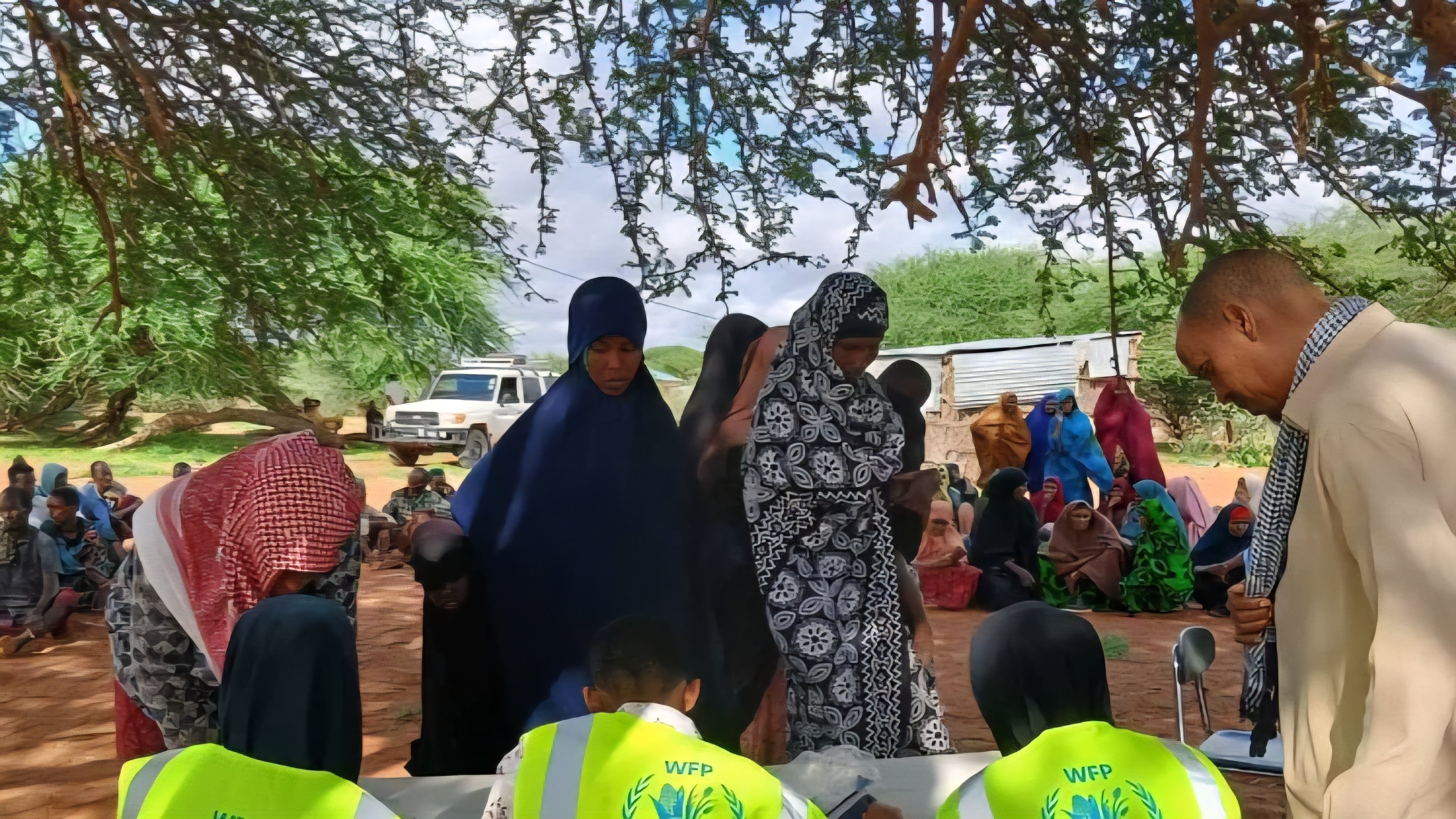

The United Nations (UN) has issued a stark warning over escalating security risks facing frontline personnel, reporting that more than 1,000 humanitarian workers have been killed globally over the past three years.
The announcement coincides with World Humanitarian Day, an annual global observance dedicated to recognizing relief personnel and advocating for their protection in conflict zones. International aid agencies emphasize that operating conditions in active crisis areas have degraded significantly, leaving field operations vulnerable to organized violence and structural instability.
Recent security reports highlight a shift in operational risks, with armed drones emerging as a prominent new threat to relief missions. Global infrastructure networks and temporary humanitarian stations are increasingly exposed to aerial surveillance and unmanned strikes, which complicates logistics for aid distribution.
Civilians and aid crews rely on vulnerable transport corridors, emergency housing facilities, and regional distribution centers to deliver emergency relief. Rising instability in high-risk zones continues to compromise critical infrastructure projects, including water supply lines, temporary health shelters, and field bases, but aid agencies are pushing to maintain access.
The United Nations (UN) continues to advocate for international law compliance, demanding clear protections for personnel operating within active conflict zones. Global leaders are being urged to secure critical supply lines and safeguard aid corridors, but field workers remain exposed to sophisticated weaponry in volatile environments worldwide.
Logistics teams are now reassessing security frameworks, evaluating risk parameters, and adapting emergency response protocols to protect personnel. Engineering firms and contractors involved in civil protection projects are facing additional challenges in designing resilient structures capable of withstanding modern combat conditions.
International relief organizations maintain that without binding international protocols and reinforced civil infrastructure, the delivery of essential supplies will remain compromised. Aid groups warn that rising fatalities threaten to disrupt emergency response capabilities across affected regions globally, but field missions are attempting to continue essential operations.
Security analysts note that modern conflict dynamics require updated risk mitigation techniques, including reinforced structural design for field bases and secure transport infrastructure. Field teams are incorporating specialized communication networks and armored logistical assets to survive volatile conditions while attempting to maintain critical supply lines.
The United Nations (UN) continues to press international bodies for enforceable measures to protect humanitarian operations and infrastructure assets. Despite growing operational hazards and logistical barriers, relief organizations state that maintaining emergency channels remains critical for vulnerable populations trapped in active crisis regions worldwide.
Comments (0)
Leave a Comment
No comments yet. Be the first to share your thoughts!