

The death toll from ongoing torrential rains across Kenya has risen to 42, according to the latest police reports. The relentless downpours have caused catastrophic failures in regional infrastructure, washing away homes and severing vital road links.
Emergency services are currently overwhelmed, as the flooding has displaced hundreds of families. In Nairobi, the situation reached a critical point over the weekend, when flash floods turned downtown streets into impassable waterways.
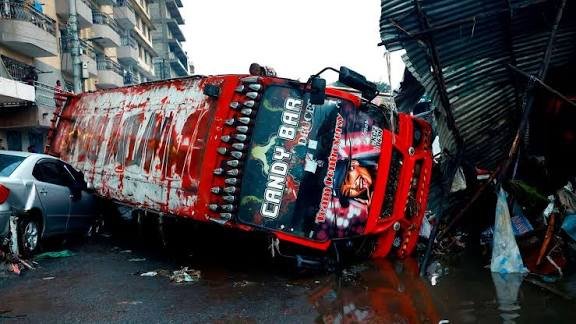
A notable incident occurred in the Grogan area of downtown Nairobi on March 7, 2026, where the force of the water caused a matatu to overturn. The vehicle came to rest on top of a private car, illustrating the extreme risks currently facing the transport sector.
Construction experts have long warned about the aging drainage systems in the capital, which were not designed to handle the volume of runoff seen in recent seasons. Many of these culverts are currently blocked by debris, which exacerbates the flooding.
The Ministry of Transport has issued warnings to motorists to avoid submerged sections of the highway, although many commuters have few alternatives. Several bridges in rural areas have reportedly been weakened by the rising water levels, which puts further strain on the national logistics chain.
The destruction of residential property has been equally severe. In informal settlements, where building standards are often less regulated, entire rows of houses have been swept away by the deluge, leaving families without shelter or basic amenities.
Contractors and engineers are now monitoring the integrity of major dams and embankments. There are fears that sustained pressure from the high water volume could lead to further structural damage, if the rains continue at this intensity through the month.
Utility providers are also reporting significant damage to power lines and water piping. Repair crews are finding it difficult to access the affected sites because the roads leading to them remain cut off by mudslides or standing water.
For now, the focus remains on search and rescue operations. Police and humanitarian agencies are working to reach isolated communities, but the unpredictable weather continues to hamper their progress across the country.
Comments (0)
Leave a Comment
No comments yet. Be the first to share your thoughts!