
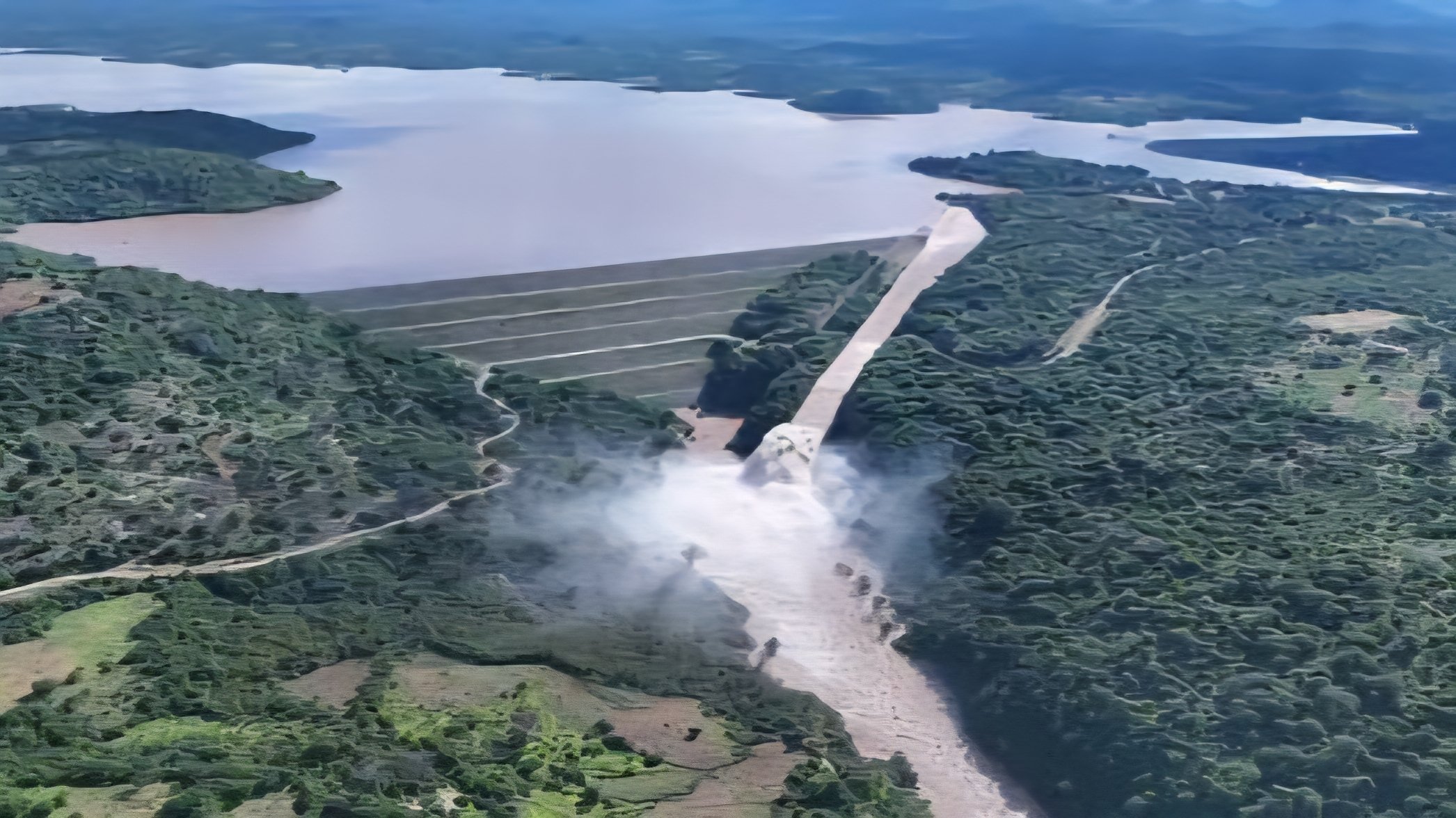

The Tana and Athi Rivers Development Authority, commonly known as TARDA, has issued a high-level alert to residents living along the Tana and Athi River basins. The warning comes after sustained heavy rainfall in the Upper Tana catchment areas, which has significantly increased water inflow into the country's main reservoirs.
According to a statement released by the authority, the rising water levels pose a direct threat to communities situated in low-lying areas. The agency noted that the volume of water currently entering the Seven Forks cascade is being monitored closely to manage potential overflows.
The Tana River basin is home to Kenya’s most critical hydroelectric infrastructure, including the Masinga, Kamburu, Gitaru, Kindaruma, and Kiambere dams. Masinga, which acts as the primary reservoir for the cascade, often dictates the flood risk for the lower regions of Garissa and Tana River counties.
When Masinga Dam reaches its maximum capacity, any additional inflow necessitates a controlled release or results in a natural spill. This process frequently leads to the displacement of thousands of people in the downstream hinterlands who rely on the river for agriculture and domestic use.
In the Athi River basin, the situation is equally precarious. Urban settlements and farming communities along the river banks are at risk of flash floods if the current rainfall patterns persist. TARDA officials have urged local administrators to help coordinate the movement of people to higher ground.
The authority emphasized that those engaged in sand harvesting, irrigation, and other activities within the river channels should cease operations immediately. The unpredictable nature of the water surges makes remaining in these areas a life-threatening risk.
Historically, the Tana River basin experiences severe flooding during the long and short rain seasons. The lack of adequate storage infrastructure downstream of the Seven Forks often exacerbates the impact on residents in the coastal strip and the northeastern plains.
Infrastructure projects, such as the proposed High Grand Falls Dam, have long been discussed as a permanent solution to regulate these flows. However, until such large-scale water management systems are completed, the region remains dependent on early warning systems and emergency evacuations.
The Kenya Meteorological Department has also reinforced these concerns, predicting that the rains will continue for several weeks. This extended period of precipitation means that the soil is becoming saturated, increasing the likelihood of runoff and rapid river swelling.
TARDA's management stated that they are working in conjunction with the National Disaster Management Unit to monitor the situation. They have requested that residents stay tuned to local radio stations and community leaders for real-time updates on water levels.
For the construction and engineering sectors, these weather patterns often lead to delays in ongoing road and bridge projects across the affected counties. Saturated ground conditions and the risk of equipment being washed away typically halt site activities until the dry season returns.
Emergency responders have been put on standby in Garissa and Hola, towns that are traditionally hit hardest when the Tana River bursts its banks. The focus remains on saving lives and protecting livestock, which are the primary economic drivers for the local population.
Comments (0)
Leave a Comment
No comments yet. Be the first to share your thoughts!