
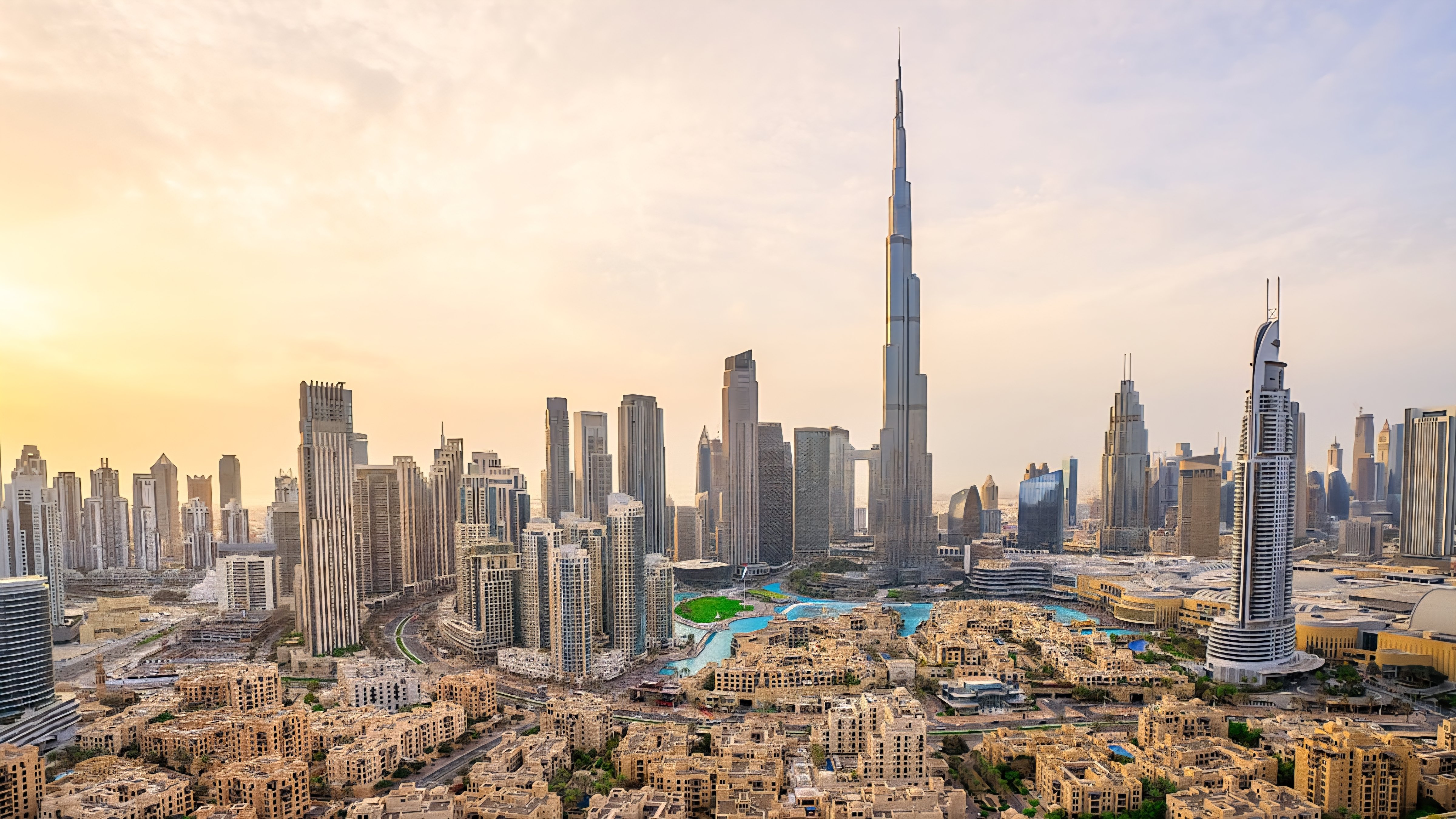

The chief structural engineer of the world's tallest building claims that structural heights of several kilometres are now completely achievable. Bill Baker, a consulting partner at Skidmore, Owings & Merrill (SOM), stated that modern engineering capabilities have expanded far beyond current vertical limits.
His remarks come as Saudi Arabia advances construction on the Jeddah Tower, which aims to become the first man-made structure to surpass one kilometre in height. Baker notes that this transition from the 828-metre peak of the Burj Khalifa represents an evolutionary phase rather than a complete technical revolution.
From a strictly structural perspective, the limits of architectural height have not been reached. The veteran engineer explained that existing construction methodologies can support towers rising multiple kilometres into the air. Furthermore, the introduction of ultra-high-strength concrete will likely push these theoretical limitations even further into the future.
The primary constraint facing supertall developments is no longer the underlying physics of engineering. Instead, developers must evaluate whether constructing to such extreme heights offers any practical or commercial sense. The financial risk escalates because extended construction timelines increase exposure to unpredictable global economic and geopolitical disruptions.
Weight distribution presents a massive logistical hurdle because every additional kilogram of material requires sufficient foundational support. Wind resistance also emerges as the primary design obstacle when structures ascend into the upper atmosphere. Gravity is relatively simple to manage compared to the lateral forces generated by severe wind and seismic activity.
To counteract these atmospheric forces, designers focus heavily on the physical geometry of the structure. During the design of the Burj Khalifa, the engineering team utilised a distinctive stepped shape to disrupt wind patterns. This strategic aerodynamic approach confused the wind, which significantly minimised the lateral loads acting against the tower.
By altering shapes and implementing structural systems, developers drastically reduce the financial premium paid for wind resistance, but the engineering team later refined this layout to remove perimeter columns. This modification created a simpler construction process that carries loads efficiently using minimal concrete.
Modern supertall design is also shifting its focus toward long-term value and urban transformation rather than breaking height records. The iconic Dubai tower demonstrated how a monumental project can reshape an entire city by drawing tourism, investment, and global attention. However, contemporary projects must now balance these commercial ambitions with strict environmental responsibilities.
Minimising embodied carbon has become a central objective for the next-generation of skyscraper designs across the globe. While structural engineers previously focused almost exclusively on minimizing material quantities and financial costs, current priorities demand sustainable practices. Building materials and construction techniques must align with modern climate goals to remain viable in the industry.
Ultimately, the future of vertical architecture depends on human factors rather than structural capabilities. Designers must consider how occupants move through these massive spaces and adapt to significant altitude changes. The final test for any multi-kilometre building is whether the height creates genuine utility for its inhabitants.
As cities grow denser, the discussion around supertall structures continues to evolve. While engineering can deliver towers that reach into the clouds, the economic reality and human experience will dictate how high the next-generation of skyscrapers will actually go.
Comments (0)
Leave a Comment
No comments yet. Be the first to share your thoughts!