

A version of this article appeared on Nation Africa.
Environmental advocate Wanjira Mathai has called for Africa to take control of its technological future by heavily investing in domestic digital systems. She notes that relying entirely on foreign technology providers leaves the continent vulnerable.
The rapid rise of global technology firms highlights an infrastructure gap across African nations. Mathai stresses that creating indigenous systems is critical for regional autonomy. Without independent technological platforms, the continent risks perpetual reliance on external corporations.
Building localized Artificial Intelligence (AI) platforms represents a key pillar of this strategy. Mathai argues that digital frameworks must align closely with domestic realities and unique challenges. Developing these assets requires substantial investment from both public and private sectors.
The debate comes as tech adoption accelerates rapidly across Kenya and neighboring nations. Observers frequently point out that African countries struggled to counter the dominance of international social media platforms. That historical pattern raises urgent questions regarding current digital infrastructure strategies.
Many local experts wonder whether the continent can successfully challenge global tech conglomerates now. Mathai remains confident that proactive planning can shift the current dynamic in Africa's favor. Securing data sovereignty is an essential component of long-term economic planning.
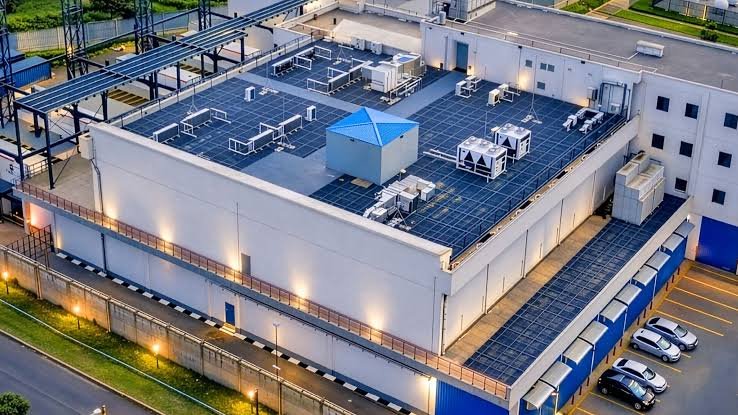
Implementing these systems involves expanding regional data centers and high-speed connectivity networks. This physical infrastructure forms the backbone of any independent technological architecture. Analysts emphasize that digital self-reliance supports broader economic independence across developing markets.
African policymakers face growing pressure to formulate comprehensive digital development frameworks. These initiatives must prioritize local software developers and domestic tech talent. Cultivating regional expertise ensures that new systems remain sustainable over coming decades.
The current global digital landscape requires immediate, strategic action from continental leadership. Mathai underscores that waiting longer will only widen the technological disparity. Investing in home-grown systems offers a clear path toward sustainable development.
Ultimately, continental self-reliance depends on establishing robust and sovereign digital infrastructure. This approach allows African nations to manage their data assets independently. The choices made by regional authorities today will determine the digital landscape for future generations.
Mathai, who serves as a managing director at the World Resources Institute (WRI), often connects structural development with community empowerment. Her previous work with the Green Belt Movement (GBM) focused on grassroots resource mobilization. This foundational experience informs her current advocacy for independent regional development.
Infrastructure development in East Africa has traditionally focused on physical assets like roads and railways. However, modern economic realities demand equal attention toward virtual and technological assets. Experts argue that digital networks are now just as critical as transport corridors.
Kenya has established itself as a prominent technological hub within the sub-Saharan region. Initiatives like Konza Technopolis demonstrate a clear national interest in fostering high-tech capabilities. Integrating local AI research into these existing frameworks could accelerate the regional development agenda.
Funding these large-scale digital projects remains a primary concern for regional governments. Collaborative investment models involving multilateral development banks could provide necessary financial resources. Secure funding allows nations to build resilient systems without overextending national budgets.
Global tech partnerships must also evolve to favor local capacity building rather than passive consumption. True technological sovereignty requires that African engineers actively design these advanced systems, but long-term operational sustainability requires continuous regional investment.
Comments (0)
Leave a Comment
No comments yet. Be the first to share your thoughts!