

China Communications Construction Company (CCCC) has deployed green technology across several civil engineering projects in China, signaling a shift toward ecological infrastructure. The state-owned engineering corporation disclosed these details following recent project reviews, which highlighted advancements in sustainable urban designs.
In Hubei Province, the contractor completed an ultra-low energy building within the Wuhan Sino-French Eco-City. The facility features a specialized sponge roof, which captures rainwater to reduce urban runoff and mitigate flooding risks during heavy downpours.
Further north in Jizhou, civil engineers have transformed depleted industrial mines into stable, green hills. This ecological restoration process addresses long-term land degradation, but it stabilizes loose soil structures and reintroduces native vegetation across former mining zones.
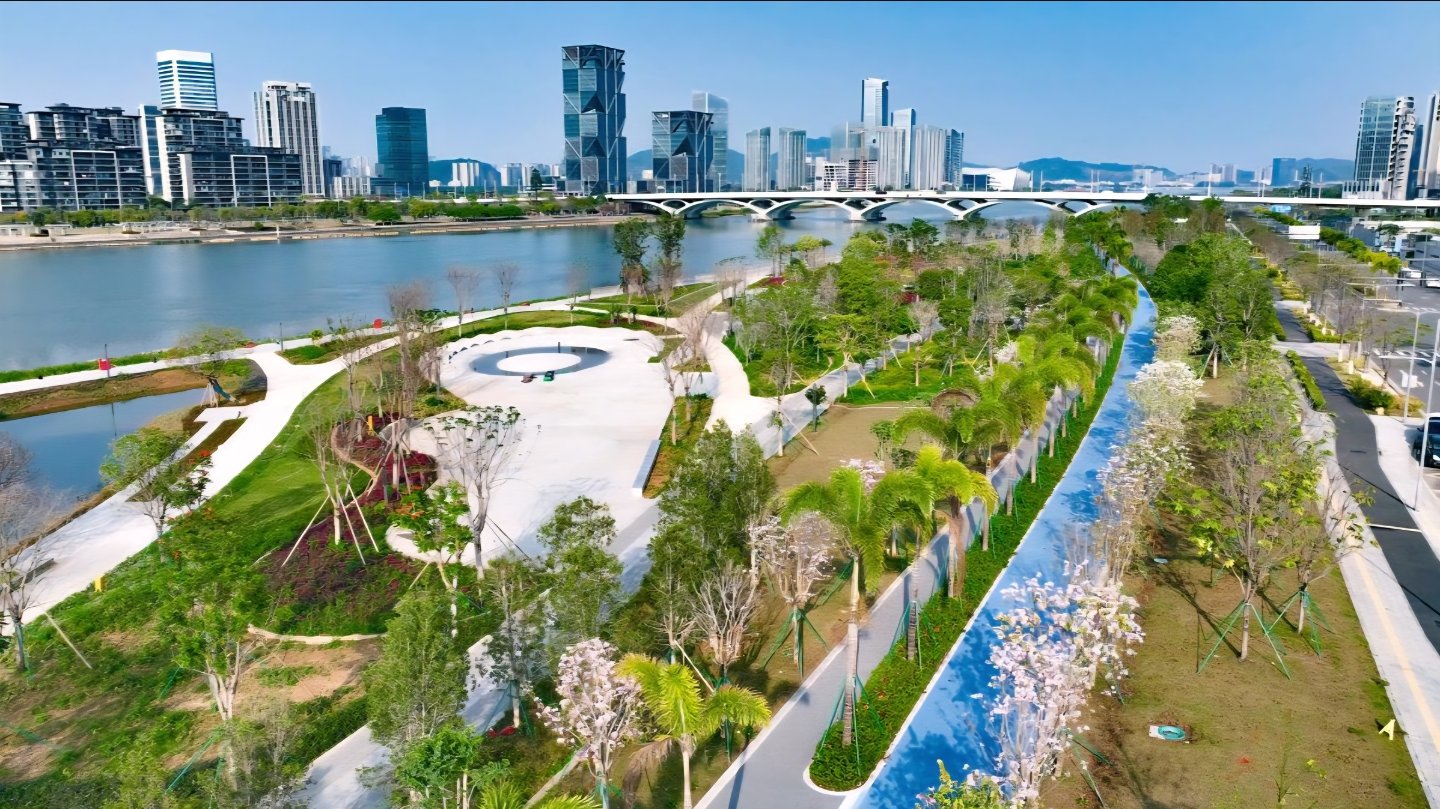
Water management developments have also advanced in Guangdong Province, specifically within Guangzhou city. On Hengli Island, which sits inside the prominent Nansha District, the firm constructed a series of durable flood-control leisure embankments to protect local coastal boundaries.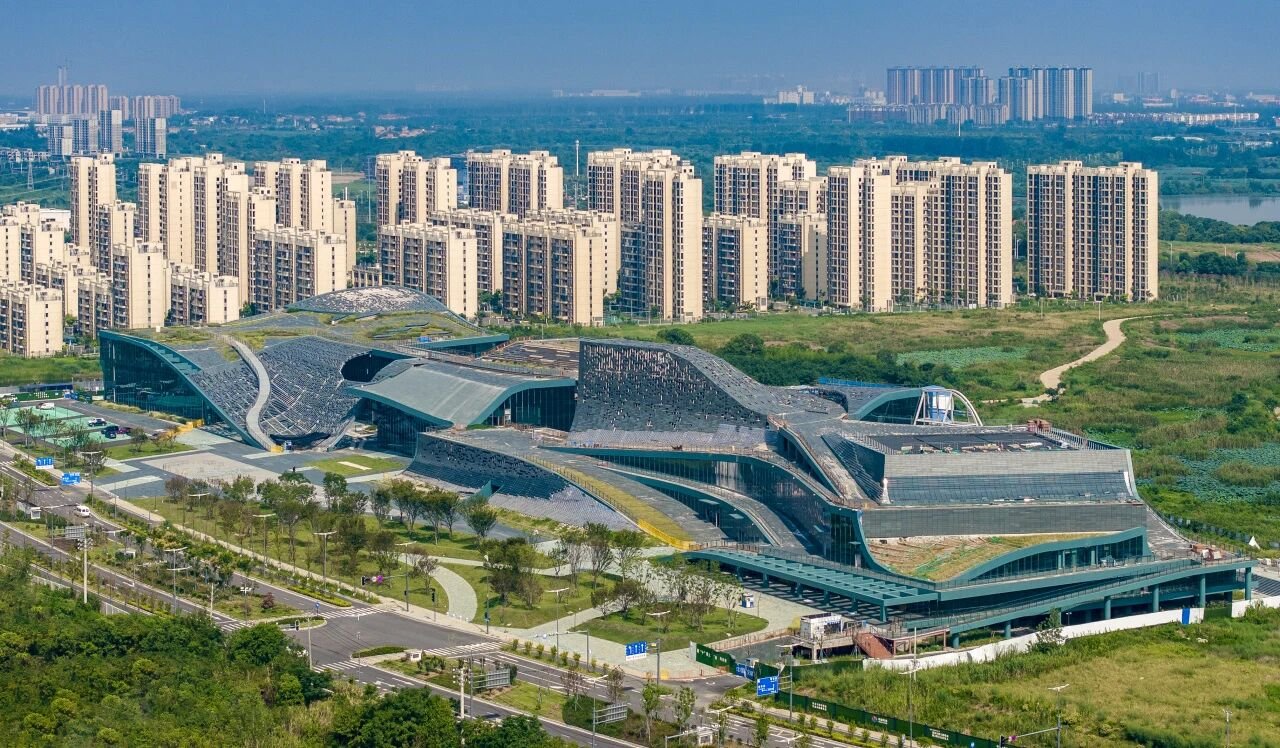
The coastal infrastructure project balances safety with community utility, which allows residents to access the shoreline safely. Engineers utilized recycled materials for foundation filling during the earthworks stage, which reduced the overall environmental footprint of the site.
Nearby in the Pearl Bay area, the multinational contractor has established what it describes as a smart, unmanned super-scenario. The initiative integrates automated systems with digital monitoring tools, which optimizes municipal asset management without requiring constant physical deployment.
These technological deployments align with broader international shifts toward low-carbon civil engineering solutions. As urban areas face severe climate challenges, global contractors are increasingly pressured to substitute traditional steel and concrete methods with nature-based engineering solutions.
The application of these sustainable practices is drawing attention from international observers, including infrastructure planners in East Africa. In Kenya, where the contractor has executed large-scale transport infrastructure operations, the introduction of ecological civil engineering concepts represents a notable shift.
The Kenya Urban Roads Authority (KURA) and other local regulatory bodies have been advocating for sustainable urban planning frameworks. Integrating environmental restoration into major transport corridors is becoming a priority for Nairobi, if local developments are to withstand severe weather events.
During recent state briefings, President Ruto emphasized that Kenyan infrastructure must adapt to modern climate realities. By observing global implementations like sponge roofs and ecological embankments, local engineers can gain insights into resilient design practices.
The transition toward smart automation, as seen in Pearl Bay, also offers a template for developing smart cities globally. Modern municipal projects require less manual oversight, which improves operational efficiency and reduces long-term maintenance costs for public administrative bodies.
Contractors operating within developing economies are evaluating these models to improve local project delivery methods. Integrating automated tech and green landscaping helps firms meet strict international environmental compliance standards, which are increasingly mandatory for securing project financing.
The focus on mine rehabilitation in Jizhou highlights how heavy industry can successfully reverse past ecological damage. By turning scarred landscapes back into natural spaces, engineering firms demonstrate that infrastructure development does not always require permanent environmental destruction.
As these green initiatives progress, the engineering sector will likely see increased standardization of sustainable building materials. The adoption of low-energy frameworks remains critical, if global cities are to achieve meaningful carbon reduction targets over the next decade.
Comments (0)
Leave a Comment
No comments yet. Be the first to share your thoughts!