
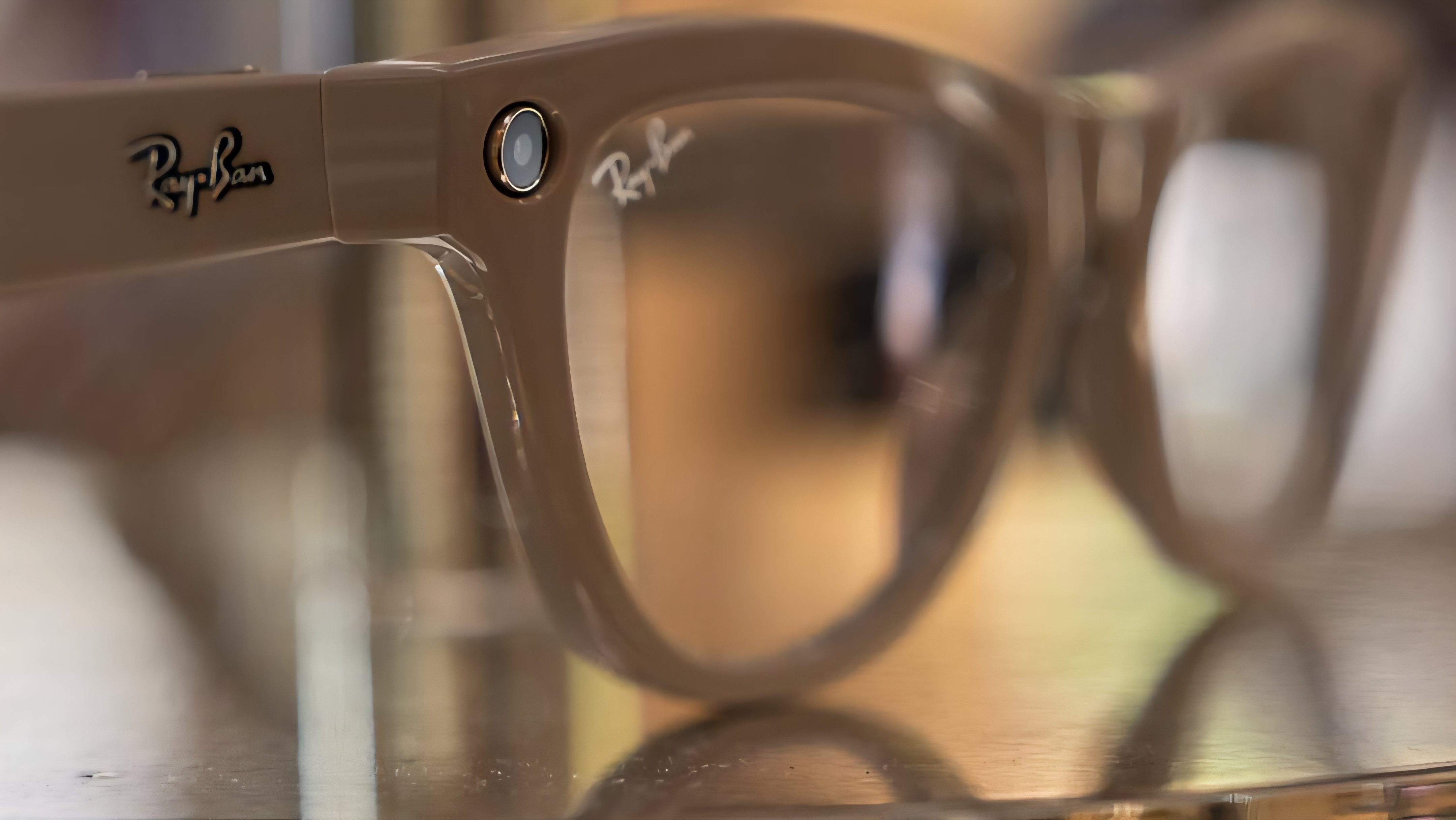

Apple has deferred the launch of its anticipated iPhone-connected smart glasses, internally known as N50, to the tail end of 2027. According to Bloomberg reporter Mark Gurman in his Power On newsletter, the tech firm is designing the wearable to contest the entire mainstream eyewear industry rather than just competing with existing smart frames.
The revised timeline represents a shift from initial development goals, which previously targeted a release by late 2026. Ongoing engineering friction and complications with the firm's visual artificial intelligence systems contributed to the schedule adjustment, pushing back assembly timelines.
The corporate strategy behind the product mirrors the rollout of the Apple Watch, focusing heavily on lifestyle integration. Instead of restricting its marketing to technology enthusiasts, the company intends to position the wearable as a daily fashion accessory, aiming to attract buyers who traditionally purchase conventional prescription spectacles and sunglasses.
The target consumer base represents a massive financial segment, as the global eyewear market generates approximately $200 billion annually. Apple is reportedly aiming at the mid-tier price range of $200 to $500, directly entering retail territory held by established European manufacturers.
The first-generation wearable will omit true augmented reality (AR) lenses due to technical complexities that remain unresolved, such as battery consumption and thermal management. It will function primarily as an audio and camera companion device, relying heavily on a paired iPhone via Bluetooth or an ultra-wideband link to offload demanding computing tasks.
Early design iterations feature distinctive oval camera modules, varied frame options, and custom plastic frames. The device will serve as a physical portal for an upgraded Siri and local Apple Intelligence functions, allowing the system to use data from the built-in cameras to process real-world information.
While the hardware remains delayed, the underlying software foundations are already moving forward. Apple engineers have started preliminary work on future operating systems, including iOS 28, which is internally codenamed Bell, ensuring the necessary ecosystem infrastructure is ready when the smart glasses eventually arrive on retail shelves.