
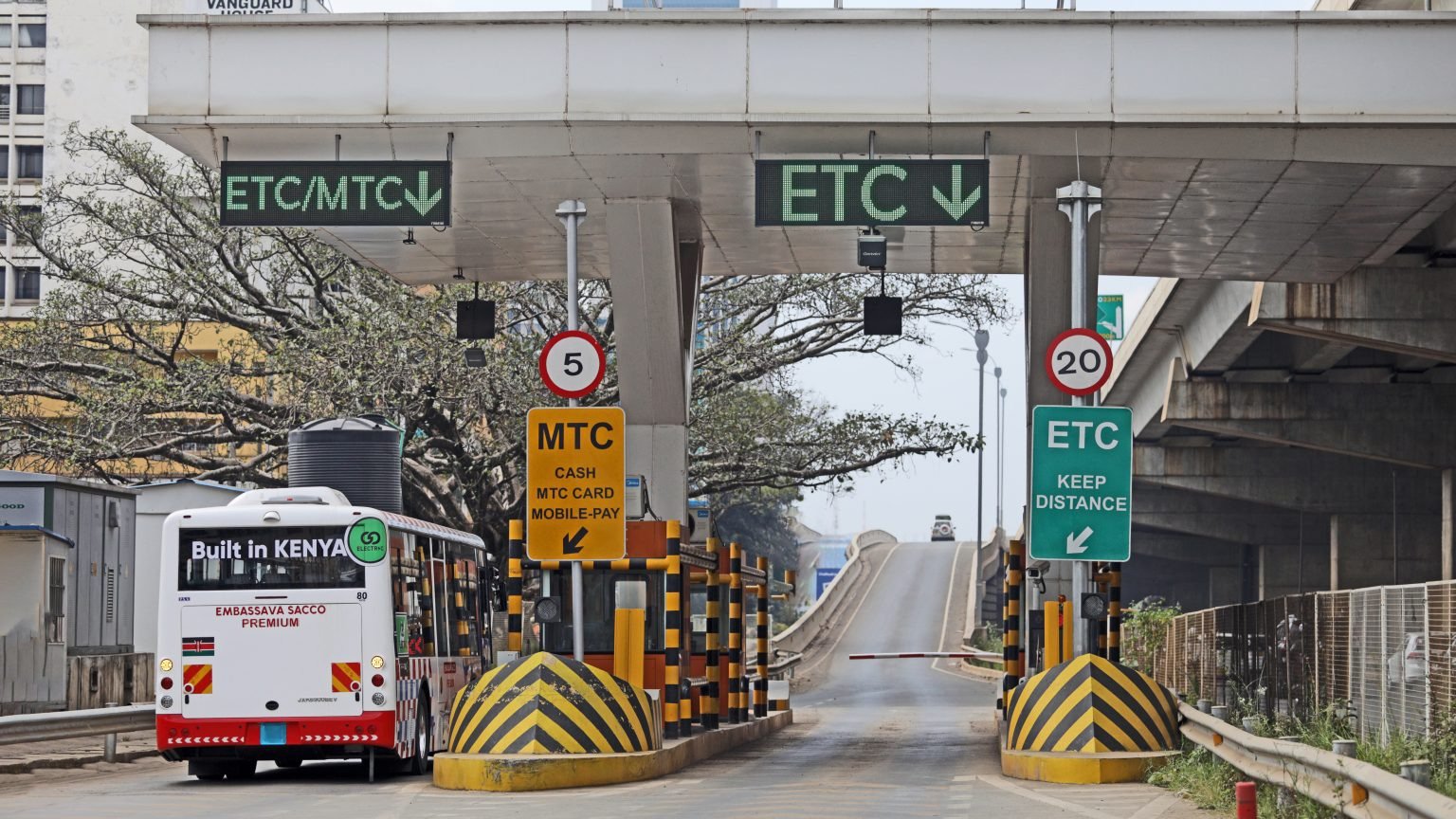

BasiGo, the Nairobi-based electric mobility firm, has officially entered the fixed-route commuting sector with a pilot program aimed at providing structured, predictable transit for Nairobi’s working class. The move represents a shift from the company’s primary role as a vehicle supplier to a direct operator of premium scheduled services, a segment of the market previously occupied by the Egyptian startup Swvl before its exit from the Kenyan capital in 2022.
The company is utilizing its mid-sized electric buses to provide non-stop connections between residential estates, such as Nyayo and Mwiki, and primary commercial hubs including Westlands and Upper Hill. Unlike the conventional matatu system, where fares and departure times are often fluid, the BasiGo model relies on fixed schedules and guaranteed seating. Passengers use the Jani booking platform to secure seats in advance, with approximately 80% of transactions currently handled through mobile money till numbers.
Preliminary data from the pilot, which currently utilizes three electric buses, indicates a strong initial response. The service reports around 300 unique weekly riders and maintains an average occupancy rate of 80% per trip. The strategy is designed to decouple professional status from the perceived necessity of private car ownership by offering a quiet, vibration-free cabin equipped with onboard charging ports and reliable departure times.
From a technical and construction perspective, this expansion is supported by BasiGo’s significant investment in local assembly and charging infrastructure. The company currently operates a high-volume assembly line at Kenya Vehicle Manufacturer in Thika, where it produces electric buses tailored for the African market. To sustain the operational demands of fixed-route schedules, the firm has also expanded its network of DC fast-charging depots. New facilities at Taj Mall, Komarock, and Riruta are now active, providing the high-capacity power required to recharge a growing fleet within a two-hour window.
The pilot enters a market where previous attempts at formalization have faced significant hurdles. Nairobi's transit ecosystem is notoriously fragmented, yet BasiGo is wagering that the middle class is willing to pay a premium for reclaimed time. Company data suggests that the non-stop nature of these routes can save commuters up to 40 minutes on a one-way trip along congested corridors.
While the current scale remains modest compared to the city’s broader transport needs, the initiative aligns with the company’s broader Road to 1000 strategy, which targets the deployment of 1,000 electric buses by 2027. The success of this fixed-route model will depend on whether the localized charging infrastructure and digital payment systems can maintain the reliability needed to convert habitual car users into repeat public transit passengers.
By integrating these vehicles into the operations of local commuter cooperative societies, BasiGo is attempting to modernize the existing matatu framework rather than bypass it. This collaborative approach, paired with the lower operating costs of electric drivetrains compared to diesel alternatives, provides a financial buffer that the company hopes will sustain the service where others have faltered.
Comments (0)
Leave a Comment
No comments yet. Be the first to share your thoughts!