
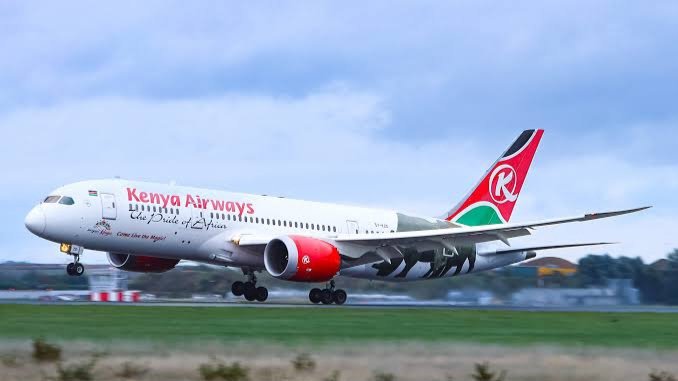

Kenya Airways has signaled a major shift in its recovery strategy by inviting private investors to help stabilize its balance sheet. The airline, currently grappling with a Sh131 billion debt burden, seeks a partner to provide the capital necessary to settle outstanding obligations and kickstart a stalled fleet modernization plan.
The move comes at a time when the carrier is under pressure to reduce its reliance on the National Treasury. While the government remains the majority shareholder, the push for private equity suggests a move toward a more sustainable commercial model. This capital injection is expected to provide the liquidity needed to negotiate better terms with creditors who have held the airline’s finances in a tight grip for years.
A primary objective of this investment drive is the acquisition of new planes. The current fleet has faced various operational hurdles, and the management believes that bringing in newer, more fuel-efficient aircraft is the only way to compete with regional rivals. Expanding the route network requires reliable equipment, and the Sh131 billion debt has previously made traditional financing for such assets nearly impossible.
Industry observers note that the success of this search depends on the carrier’s ability to demonstrate a clear path to profitability. Previous attempts at restructuring have yielded mixed results, but the current administration, under President Ruto, has emphasized the need for parastatals to operate without constant taxpayer bailouts. The locals, who have followed the airline's financial struggles closely, remain cautious about how a new partnership might affect ticket prices and domestic connectivity.
The airline's leadership has maintained that the "Pride of Africa" remains a viable asset if the debt overhang is addressed. Beyond just paying off lenders, the new funds would be directed toward upgrading ground handling equipment and improving technical facilities at Jomo Kenyatta International Airport. This infrastructure is vital for the airline’s goal of becoming a premier hub for African transit.
Potential investors will likely look at the airline’s cost-cutting measures, which have been implemented over the last twenty-four months. Reducing overheads and renegotiating aircraft lease agreements have been priorities, but these steps alone cannot cover the massive deficit. The Sh131 billion figure represents a significant hurdle that requires a sophisticated financial partner with experience in the volatile aviation sector.
As the search begins, the government is expected to play a facilitating role, ensuring that any deal protects the national interest while allowing the airline the freedom to operate as a lean, competitive business. The coming months will be critical as the board vets interested parties and determines the level of equity they are willing to cede in exchange for the survival of the flag carrier.
Comments (0)
Leave a Comment
No comments yet. Be the first to share your thoughts!