

Nvidia has stepped directly into the consumer personal computer (PC) processor market, introducing a new silicon line designed to challenge the long-standing dominance of Intel and Advanced Micro Devices (AMD).
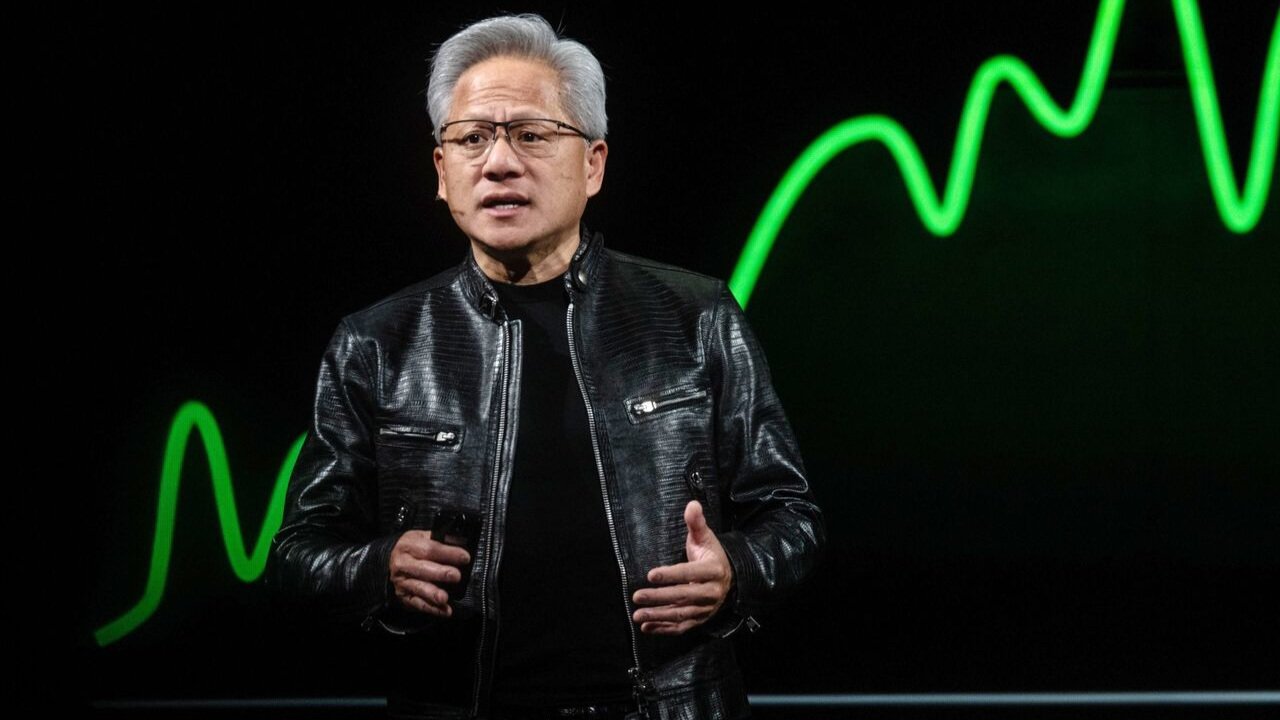
The announcement, made by chief executive Jensen Huang at the Computex technology conference in Taiwan, reveals a strategic push into hardware capable of running local artificial intelligence (AI) workloads.
Known as the RTX Spark, the processor represents a significant structural shift for the company, which previously limited its consumer offerings to graphics cards that required pairing with external central processing units (CPUs).
The new product integrates an Nvidia Blackwell graphics processing unit (GPU) with a custom 20-core Grace CPU, built in collaboration with Taiwanese chip design firm MediaTek on an Arm-based architecture.
By delivering a fully integrated processor, the company is targeting a premium segment of devices, working alongside Microsoft to embed the silicon into upcoming Windows laptops and desktops.
Computer manufacturers, including Asus, Dell, HP, Lenovo, and MSI, are scheduled to introduce hardware powered by the new platform later this year.
The launch follows a three-year development cycle, aiming to capture market share from Apple, Qualcomm, Intel, and AMD as consumers seek devices optimized for intensive computing tasks.
Beyond consumer hardware, Huang used the platform to address broader industry tensions regarding the economic impact of automation.
The executive flatly dismissed recent corporate narratives that attribute sweeping workforce reductions to the deployment of artificial intelligence, calling such justifications lazy and illogical.
Several multinational companies have recently announced staff cuts while simultaneously expanding their technological investments, often citing structural shifts toward automation.
Huang criticized these explanations, pointing out that recent productivity tools have only been widely available for a short period, making it impossible to blame them for historical or unrelated corporate restructurings.
According to the executive, leaders who attribute layoffs to automation are simply attempting to sound smart to investors, a practice he described as irresponsible because it generates unnecessary public fear.
He argued that ambitious enterprises utilizing advanced software tools generally increase their operating velocity and profitability, which ultimately results in higher net headcounts rather than workforce contraction.
The semiconductor firm maintains that the real competitive shift will not involve machines replacing human workers directly, but rather professionals who adopt modern digital tools displacing those who do not.
This perspective aligns with the company's broader commercial objectives, which rely heavily on global enterprises continuing to invest in data center infrastructure and advanced hardware.
In addition to the consumer chip, the company confirmed that its specialized infrastructure platform, designed for running background digital assistants at scale, has entered full production.
Shipments of that enterprise hardware are scheduled to begin this fall, opening up further competition in the enterprise computing market.