
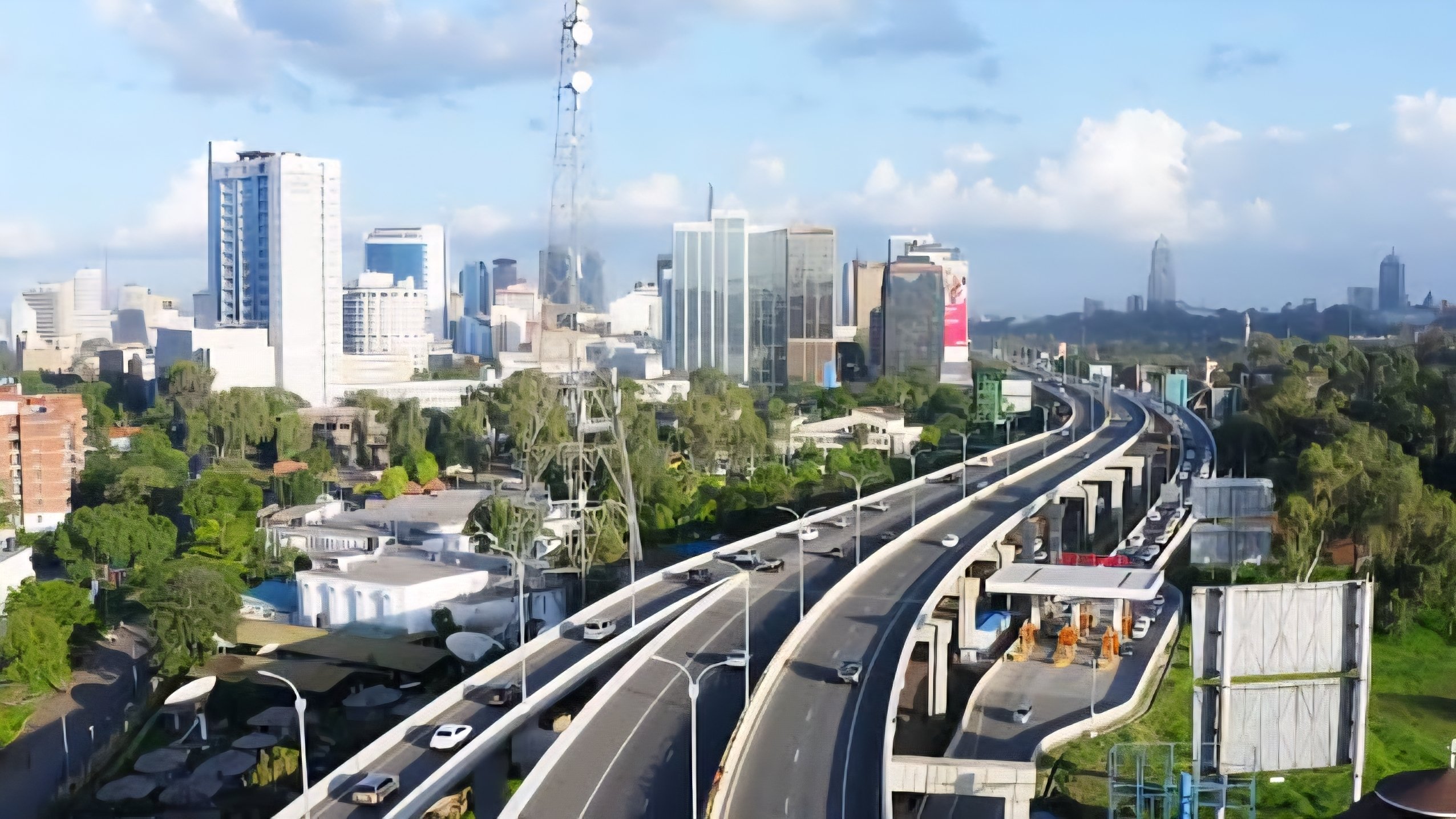

Nairobi’s long-standing struggle with gridlock is facing a new technological intervention as Samsung Construction begins work on a specialized Traffic Management Centre (TMC) and Integrated Transport System (ITS) headquarters. The facility is designed to serve as the nerve center for the city’s road network, specifically tasked with coordinating traffic signals across 25 high-traffic junctions in the capital.
This project moves away from the traditional model of isolated traffic light operations. By housing the Integrated Transport System under one roof, engineers will have the capacity to monitor real-time vehicle flow and adjust signal timings remotely. The centralized approach is expected to reduce the reliance on manual traffic control by law enforcement, which often contributes to unpredictable delays during peak hours.
Samsung Construction’s entry into this specific niche of Nairobi’s infrastructure landscape follows a series of government initiatives aimed at digitizing the city's transport architecture. The contract involves not just the physical construction of the headquarters but also the installation of the digital framework necessary to communicate with smart sensors and cameras located at the 25 designated intersections.
The selection of these 25 junctions was based on data identifying them as critical bottlenecks that impact the flow of the entire metropolitan area. Previous attempts to install smart lights in Nairobi faced challenges regarding power stability and system synchronization, issues the new Integrated Transport System is intended to resolve through a more robust, centralized grid.
Beyond traffic light coordination, the headquarters will act as a data collection hub. Information gathered from the connected junctions will be used to analyze long-term traffic patterns, helping the Kenya Urban Roads Authority (KURA) and other stakeholders plan future road expansions and diversions. This data-driven approach marks a shift in how the city manages its road capacity, moving toward a more responsive and less reactive strategy.
The construction of the TMC is a component of a larger multi-phase plan to modernize the Nairobi Metropolitan area’s transit system. While the current focus remains on these 25 junctions, the infrastructure at the headquarters is being built with the capacity to scale, eventually incorporating more intersections as the digital network expands across the city and into neighboring counties.
Local contractors and engineers are expected to work alongside the Samsung team, providing an opportunity for knowledge transfer in the specialized field of Intelligent Transport Systems. This collaboration is essential for the long-term maintenance of the system, ensuring that technical support remains available once the primary construction phase concludes.
As the physical structure of the headquarters takes shape, the city anticipates a gradual rollout of the synchronized lights. The transition period will likely involve testing the communication links between the TMC and the field hardware to ensure that the automated overrides function correctly under heavy traffic conditions.
The project represents a significant investment in the city's digital infrastructure, signaling a preference for technology-led solutions over traditional road widening. By maximizing the efficiency of existing road space through better timing and coordination, the authorities hope to see a measurable decrease in the time commuters spend in traffic, which currently costs the city's economy billions of shillings annually in lost productivity.
Comments (0)
Leave a Comment
No comments yet. Be the first to share your thoughts!