
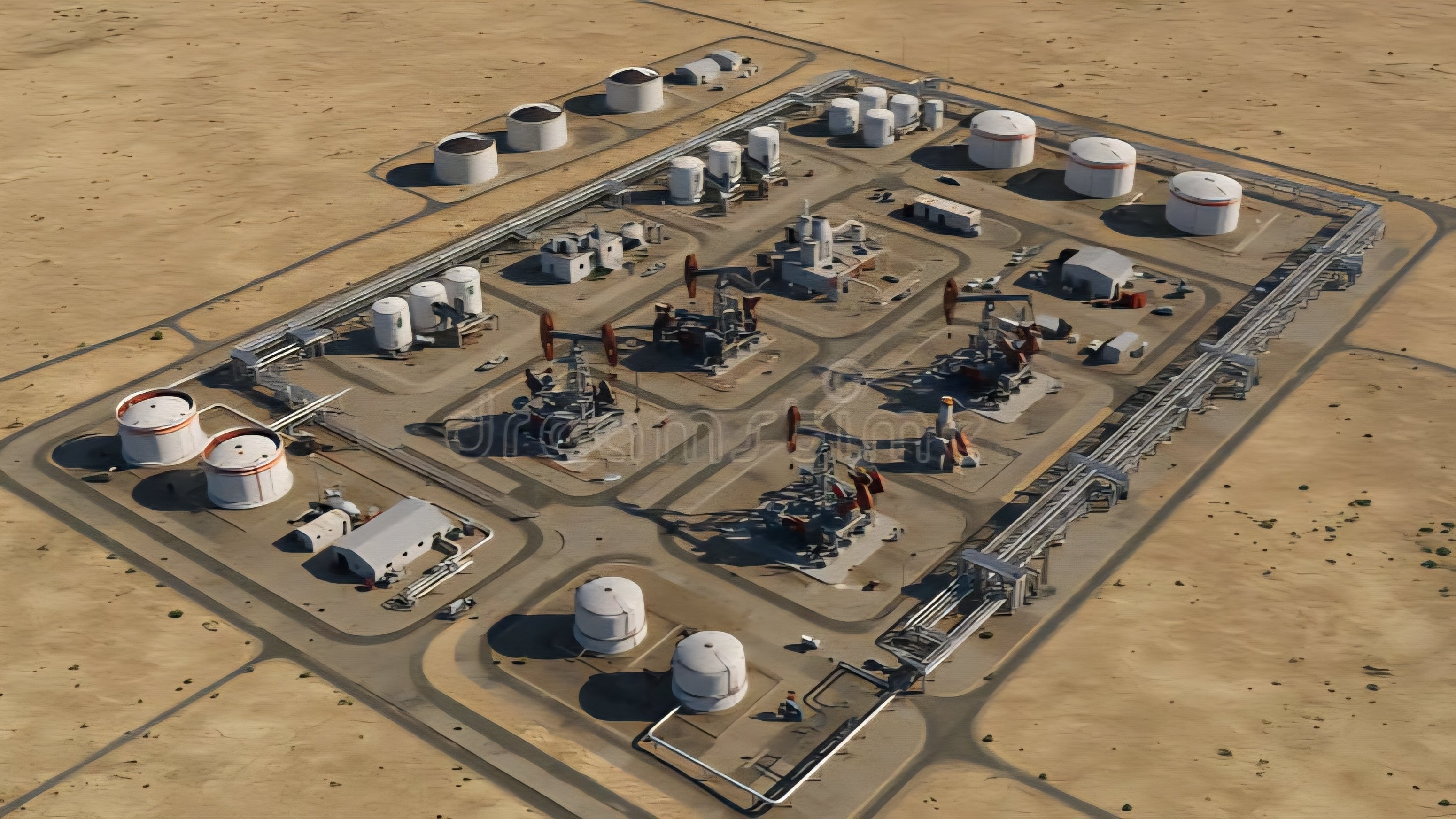

The development of Kenya's nascent oil industry in the South Lokichar Basin has hit a significant political and regulatory hurdle as local leaders and Members of Parliament move to challenge the financial framework governing the project. At the center of the dispute is a proposed 85 percent cost recovery cap, a clause that critics argue is overly generous to foreign investors and detrimental to the Kenyan taxpayer.
Cost recovery is a standard mechanism in Production Sharing Contracts within the extractive industries. It allows investors to recoup their exploration, development, and operational expenses from a portion of the total production before the remaining "profit oil" is split between the commercial partners and the host government. However, the high threshold proposed for the Turkana fields has triggered fears that for the initial years of production, the vast majority of revenue will be diverted away from the public purse to settle investor accounts.
MPs representing the region, alongside local elders, have voiced concerns that the deal prioritizes the interests of multinational firms over the socio-economic needs of the host community. The South Lokichar Basin, located in the arid northern county of Turkana, has been the focal point of Kenya’s oil ambitions since Tullow Oil first discovered commercially viable deposits in 2012. While the project promised a shift in the country’s economic trajectory, the path to full-scale commercialization has been marred by delays, shifting ownership structures, and disagreements over infrastructure, specifically the proposed 852-kilometer heated pipeline to the port of Lamu.
The current outrage stems from the perception that the 85 percent cap leaves a narrow margin for the state to realize meaningful gains during the early stages of extraction. In typical oil and gas negotiations, the cost recovery limit is a point of intense bargaining. A higher cap accelerates the timeline for investors to break even, reducing their financial risk, but it simultaneously pushes the government’s windfall further into the future. Critics in Turkana argue that this specific arrangement could result in "token" earnings for the country for a decade or more, depending on global crude prices and the final audited costs of the infrastructure.
Local leadership has been particularly vocal about the lack of transparency surrounding the revisions to these agreements. There are calls for the Ministry of Energy and Petroleum to provide a detailed breakdown of how these figures were arrived at and what safeguards are in place to prevent "gold-plating," where companies might inflate reported costs to extend the recovery period. The suspicion among stakeholders is that the government may be making excessive concessions to revive a project that has struggled to reach a Final Investment Decision.
For the residents of Turkana, the stakes are more than just fiscal. The community has long anticipated that oil revenues would fund critical infrastructure, water projects, and education in one of Kenya’s most marginalized regions. If the revenue sharing is skewed heavily toward debt and cost repayment, the promised local development funds could remain underfunded for the foreseeable future.
Industry analysts note that while Kenya needs to remain an attractive destination for capital, especially given the technical complexities of waxy crude extraction and the global shift toward renewable energy, the fiscal terms must remain defensible to the public. The tension in Turkana highlights a broader continental struggle where African nations must balance the need for foreign technical expertise with the sovereign right to a fair share of natural resource wealth.
As the debate intensifies, the government faces pressure to renegotiate or clarify the terms before the project moves into the next phase of development. The outcome of this standoff will likely determine not only the viability of the South Lokichar project but also the template for future extractive ventures across the East African region. For now, the 85 percent cap remains a symbol of the friction between international investment requirements and national economic interests.
Comments (0)
Leave a Comment
No comments yet. Be the first to share your thoughts!