
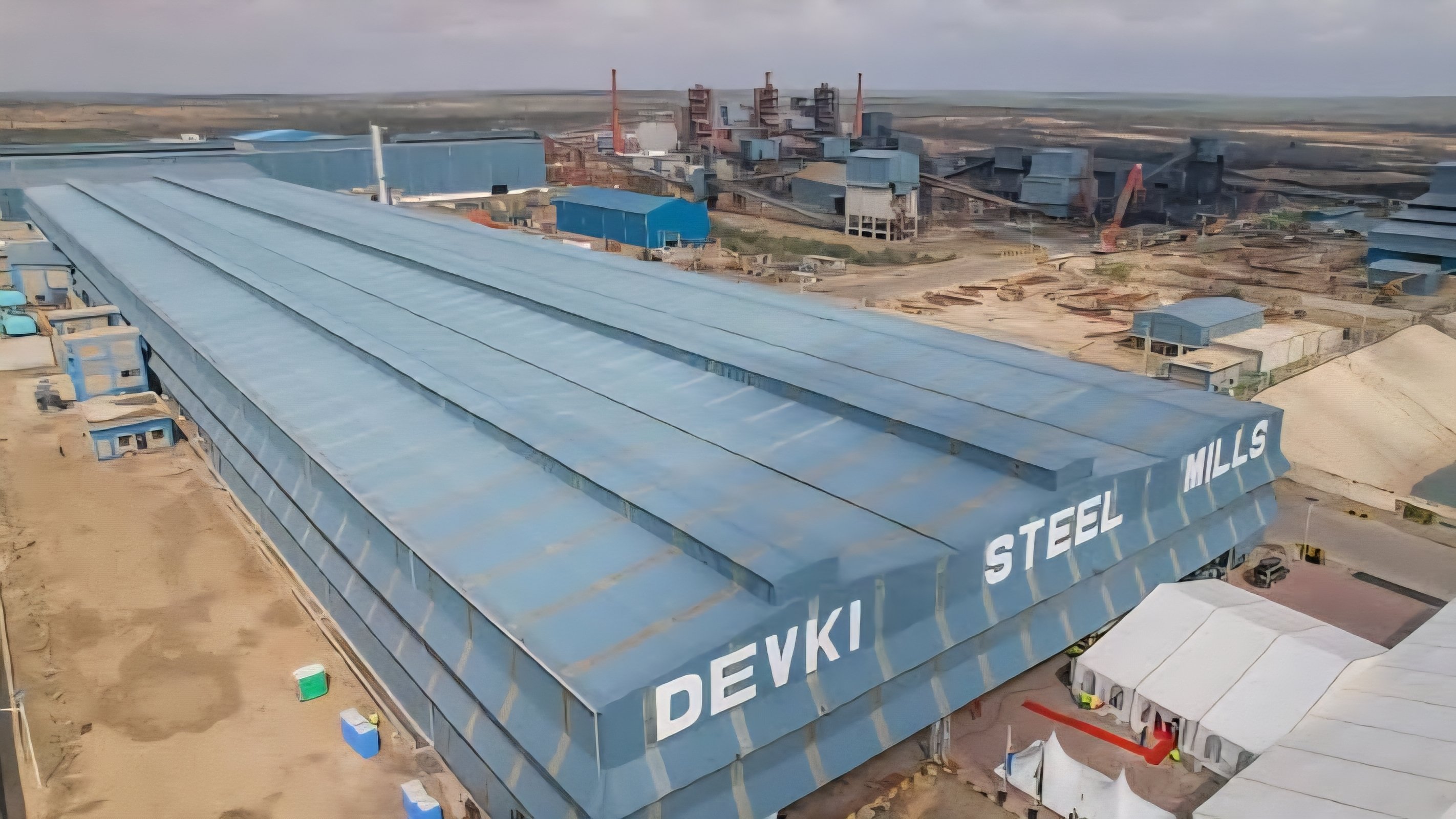

The proposed Sh11 billion iron ore smelting plant in Kishushe, Taita Taveta County, remains in a state of limbo as the investor behind the project points to deliberate sabotage by industry competitors. Narendra Raval, the chairman of Devki Group, has publicly accused specific business interests and a section of local leadership of creating roadblocks that have prevented the commencement of operations at the site.
The project was initially conceived to leverage the vast iron ore deposits in the Kishushe area, which have historically been a point of contention between miners, the local community, and the government. Raval indicated that despite having the necessary capital and technical readiness to move forward, the environment has been made hostile by those who benefit from the current status quo of raw material exports or middleman activities.
According to the Devki Group chairman, these cartels have influenced local politics to stir up resistance against the investment. He noted that the stalling of the plant not only affects his company’s bottom line but also denies the residents of Taita Taveta thousands of potential jobs. The facility was expected to be a cornerstone of the region’s industrialization, providing a local market for miners and reducing the country’s reliance on imported steel components.
The dispute over mining rights in Kishushe is not a recent development. The area has seen decades of legal battles and administrative friction involving Samruddha Resources and various community groups. While the national government has previously expressed interest in streamlining the mining sector to ensure value addition happens within Kenyan borders, the reality on the ground in Taita Taveta suggests a disconnect between policy and implementation.
Raval’s frustrations highlight a broader challenge within the Kenyan extractive industry where large-scale value-addition projects often face bureaucratic hurdles and local opposition. He claimed that the individuals opposing the project are well-known and are working systematically to ensure that the iron ore continues to be handled in a way that serves their private interests rather than the public good.
The investor emphasized that for such a massive industrial undertaking to succeed, there must be a guarantee of security for the investment and a clear departure from the influence of middlemen. Without these protections, the Sh11 billion remains committed but unutilized, and the infrastructure required to turn raw ore into processed steel remains unbuilt.
Local community members have expressed mixed reactions to the standoff. While many are eager for the employment opportunities promised by a functional smelting plant, others remain wary due to past grievances regarding land compensation and environmental concerns. The involvement of local politicians has further complicated these sentiments, often turning a commercial and industrial issue into a campaign tool.
As it stands, the Kishushe project is a test case for the government’s ability to protect major industrial investors from non-market interference. The Devki Group is one of the largest players in the regional steel market, and the stalling of this specific venture sends a cautious signal to other potential heavy industry investors looking at the Kenyan mining sector.
Moving forward, the resolution of the impasse will likely require high-level intervention from the Ministry of Mining and the national executive. Raval has maintained that his company remains ready to proceed should the environment be cleared of the alleged cartels. For now, the iron ore deposits of Taita Taveta stay in the ground, and the promised industrial hub remains a series of stalled plans.
Comments (0)
Leave a Comment
No comments yet. Be the first to share your thoughts!