
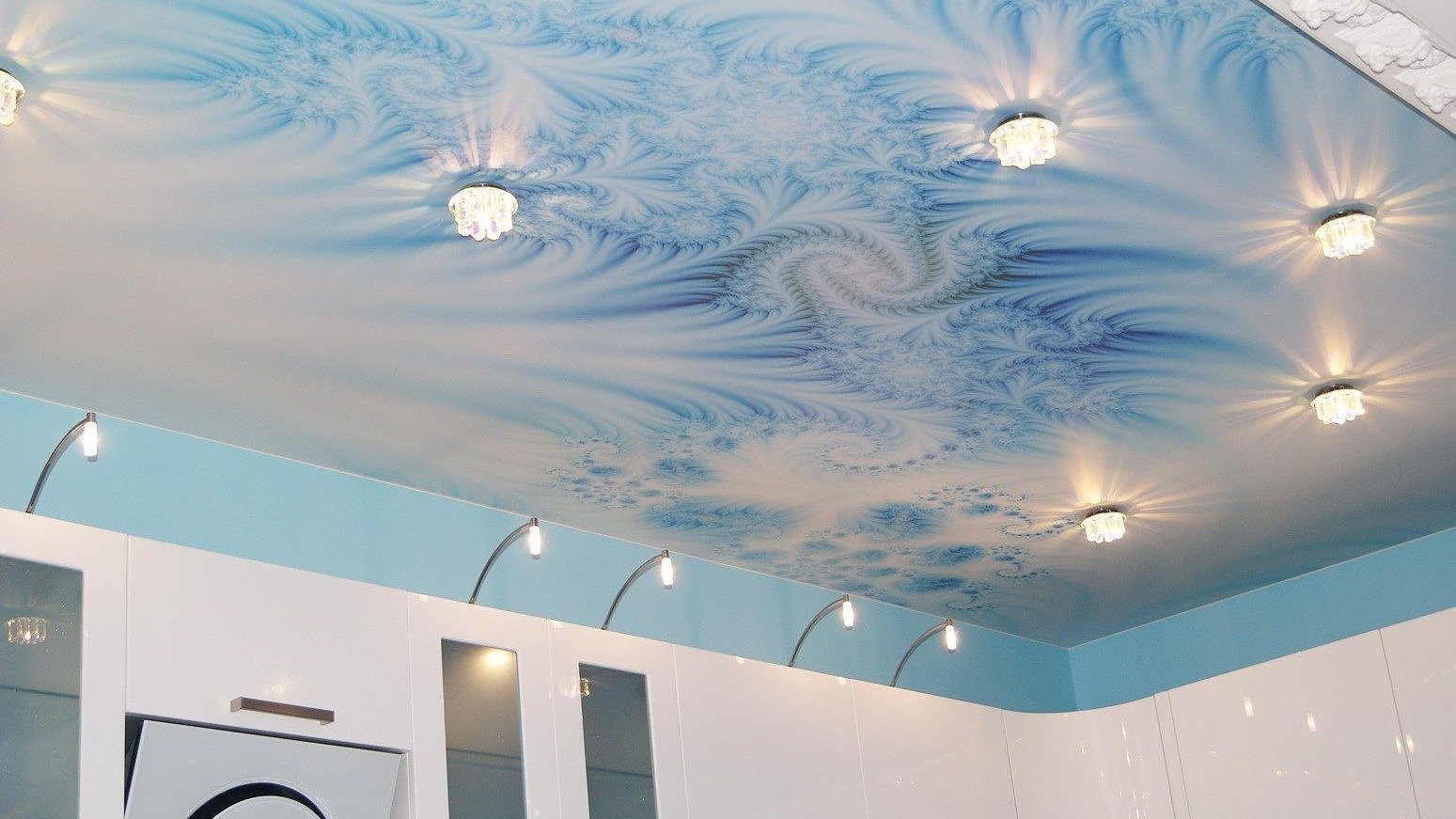

When you step into a modern space, be it a bustling office, a sleek hotel lobby, or a minimalist cafe, you probably don't notice the ceiling. That is the magic of the suspended ceiling. It's the pristine, silent plane that floats effortlessly above, seamlessly concealing a vital, organized network of building systems. Suspended ceilings are functional marvels that blend aesthetic design with practical engineering.
Suspended ceilings, also known as drop or acoustic ceilings, consist of a lightweight grid system hung from the structural ceiling. Thin metal rails form a lattice of T-shaped runners, typically spaced 2 by 4 or 2 by 2 feet. This standard system is known as a T-bar grid system, though modern alternatives such as concealed-grid systems offer a more monolithic, seamless look. Into these slots snap removable tiles crafted from materials like mineral fiber, fiberglass, or metal. The entire assembly dangles a few inches below the structural ceiling, creating a hidden plenum space above. This void is no accident; it serves as a critical conduit for vital building systems. Air ducts sneak through it for HVAC distribution, electrical wiring and plumbing are seamlessly tucked away, out of sight yet always accessible, and fire sprinklers and lighting fixtures integrate with precision.
The origins of this architectural solution trace back to the post-World War II construction boom in America. Architects sought quick, effective ways to mask the increasingly complex utilitarian elements in newly constructed commercial spaces. In 1947, the Armstrong Cork Company pioneered the modern system, building upon earlier acoustic panels used in theaters. What started as a simple solution for noise control in factories evolved into a staple for offices, schools, and hospitals. Today, these systems dominate global construction, with the market projected to exceed $10 billion by 2030, a success driven by the demand for adaptive design and energy-efficient buildings.
So, what is the secret to their enduring success? Versatility tops the list. Tiles come in endless varieties, from plain white squares that evoke minimalist chic to textured designs mimicking wood or stone. Perforated options absorb sound, reducing echo in open-plan workspaces by up to 50 percent, thereby fostering focus and privacy in noisy environments like call centers. Moreover, installation is a breeze; a crew can erect a full system in days, far quicker than plastering or drywalling. And when maintenance calls, tiles lift out with a gentle nudge, granting easy access without costly and time-consuming demolition.
Yet, their power lies not just in convenience but in sustainability and smart design. Modern tiles often incorporate recycled content, slashing embodied carbon in construction. LED lights recessed into the grid cut energy use by up to 75 percent compared to traditional fixtures. Some cutting-edge systems even embed sensors for air quality monitoring or occupancy detection, feeding data directly to building management apps. In green-certified structures, like those pursuing LEED status, these ceilings contribute points for thermal efficiency and indoor environmental quality. They insulate against heat loss, keeping spaces comfortable year-round.
A crucial trade-off must be acknowledged: while durable and easy to maintain, traditional suspended ceilings invariably reduce the room's height. If improperly installed or poorly maintained, the standard grid can look institutional or suffer from unsightly 'tile sag' over time.
Despite these minor limitations, suspended ceilings continue to facilitate real-world triumphs. The Burj Khalifa in Dubai utilizes vast suspended arrays to channel cool air across 160 floors, crucial for optimizing climate control in the harsh desert heat. In New York's subway stations, retrofitted acoustic ceilings hush the roar of trains while concealing aging infrastructure. As urban density rises and interiors demand flexibility, these systems will only grow more vital in enabling flexible, future-proof buildings.
Suspended ceilings remind us that great design hides in plain sight. They orchestrate comfort, conceal complexity, and elevate everyday spaces. Next time you look up, remember that the engineered elegance above is quietly shaping how we live, work, and thrive.
Comments (0)
Leave a Comment
No comments yet. Be the first to share your thoughts!