
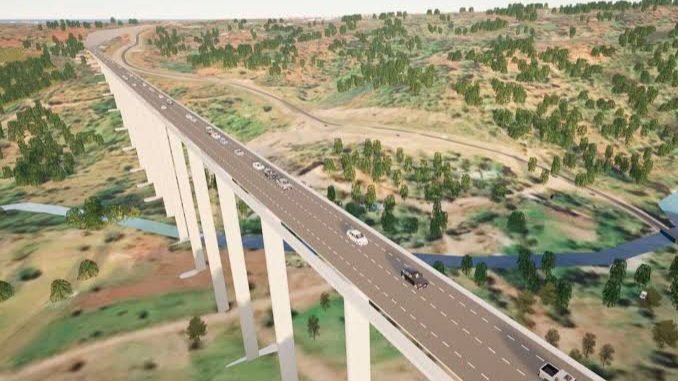

The Nithi Bridge, an iconic yet lethal landmark on the Meru-Nairobi highway, is finally set for a massive structural overhaul. For decades, the steep descent and sharp bend leading to the river crossing have claimed hundreds of lives, making it one of the most feared black spots in the country. The Kenya National Highways Authority (KeNHA) has now tabled a Sh7.1 billion proposal to realign the road, a figure that has sparked debate over infrastructure spending.
Government engineers and transport experts argue that the cost, although seemingly high, is a drop in the ocean when weighed against the economic and human toll of frequent accidents. The project is not a simple repair job, but a complete re-engineering of the landscape to eliminate the killer gradient that causes heavy vehicles to lose braking power.
The current bridge was built in the 1980s, designed with a sharp S-turn and a steep approach from both the Meru and Chuka sides. While it was a feat of engineering at the time, the increase in heavy transit traffic and high-speed public service vehicles has rendered the original design obsolete. The proposed realignment involves constructing a new bridge at a higher elevation and straightening the approach roads to provide a gentler incline.
According to technical briefs, the Sh7.1 billion budget covers land acquisition, extensive earthworks, and the construction of a modern reinforced concrete bridge. The project will require cutting through difficult hilly terrain and filling deep valleys to create a safer trajectory for motorists. This level of civil engineering in a topographically challenging area like Tharaka Nithi naturally commands a premium price.
Local leaders and residents have long petitioned for this intervention. Every major accident at the site triggers a wave of public outcry, with critics pointing to the slow pace of government action. The most recent tragedies involving buses plunging into the river valley have intensified pressure on the Ministry of Roads and Transport to fast-track the procurement process.
Beyond the immediate goal of saving lives, the realignment is expected to improve the flow of goods between Nairobi and the Mount Kenya East region. The current bridge often becomes a bottleneck when heavy trucks stall on the steep slopes, causing hours of traffic congestion. A modern, straight crossing would ensure more reliable transit times for the agricultural products that dominate this route.
Financial analysts noting the project’s scale suggest that the long-term savings in healthcare costs, insurance claims, and vehicle repairs will far outweigh the initial capital expenditure. In the world of high-stakes infrastructure, the price of safety is being treated as a necessary investment rather than an optional expense.
As the project moves toward the tendering phase, the focus remains on whether the Sh7.1 billion will be utilized efficiently. KeNHA officials maintain that the design is the most cost-effective solution to a problem that has plagued Kenyan motorists for over forty years. For those who travel the Meru-Nairobi highway regularly, the prospect of a safer Nithi Bridge is a development that cannot come soon enough.
Comments (0)
Leave a Comment
No comments yet. Be the first to share your thoughts!