
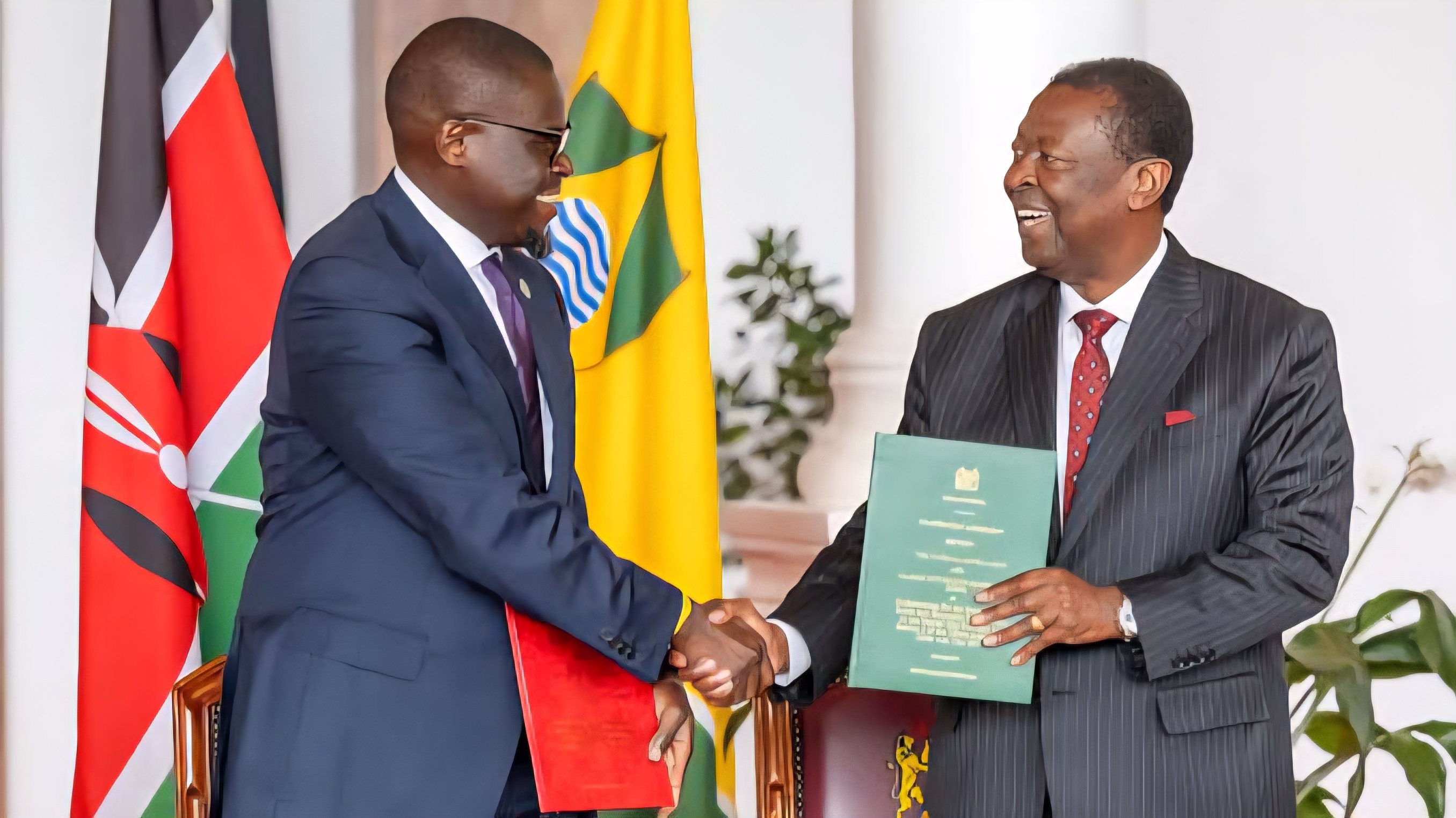

The Nairobi City County government has solidified a Sh80 billion cooperation framework with the National Government, a move that Governor Johnson Sakaja insists is overdue for the capital’s development. This agreement, which has faced significant political and administrative scrutiny, seeks to streamline the execution of large-scale infrastructure projects that have previously been hampered by bureaucratic overlap between the two levels of government.
Addressing the contention surrounding the deal, Sakaja stated that the partnership is a necessary vehicle for mobilizing the vast resources required to modernize Nairobi’s aging infrastructure. The Governor noted that the scale of investment needed for the city’s road networks, housing, and utility systems far exceeds the independent budgetary capacity of the county. By aligning with the National Government, the county aims to tap into broader financing pools and technical expertise.
The Sh80 billion figure represents one of the largest financial commitments to Nairobi’s urban fabric in recent years. Critics of the deal have expressed concerns over the potential loss of county autonomy, fearing that the National Government might exert undue influence over local planning and procurement processes. However, Sakaja maintained that the deal is strictly a cooperative effort, intended to serve the interests of Nairobi residents by accelerating the delivery of essential services.
Historically, Nairobi has struggled with fragmented management of its infrastructure. The defunct Nairobi Metropolitan Services (NMS) previously handled several key functions, and this new agreement appears to be a formalization of a collaborative approach without the same level of direct administrative takeover. The focus remains on high-impact projects, including the expansion of transport corridors and the upgrading of informal settlements, which require cohesive planning between national and local authorities.
From a construction perspective, the influx of Sh80 billion is expected to trigger a surge in procurement activities. Contractors and engineering firms are closely monitoring the rollout of this agreement, as it likely signals a pipeline of major civil engineering and building works. The National Government's involvement often brings with it more rigorous oversight from entities like the Kenya Urban Roads Authority (KURA) and the Kenya National Highways Authority (KeNHA), who often collaborate on city-wide upgrades.
Economic experts point out that for Nairobi to maintain its status as a regional hub, its infrastructure must keep pace with rapid urbanization. The city's current roads and drainage systems often fail during peak demand or heavy weather events, leading to massive losses in man-hours and logistical delays. Sakaja argued that waiting any longer to formalize this funding and cooperation would have been a disservice to the city’s growth trajectory, although the implementation details remain under a watchful eye.
The legal framework of the agreement is rooted in the constitutional provisions that allow for inter-governmental cooperation. While the specific project breakdown has not been fully publicized, the focus is expected to lean heavily toward the completion of stalled road projects and the commencement of new urban renewal initiatives. The Governor’s defense of the deal highlights the constant tension between devolved governance and the practicalities of funding massive capital-intensive projects in a developing economy.
As the implementation phase begins, the transparency of the bidding process and the selection of contractors will be paramount. With Sh80 billion on the table, the construction industry is looking for clear timelines and project specifications. If executed effectively, this cooperation could serve as a blueprint for other counties struggling to fund large-scale developments, provided that the balance of power between the county and the state is maintained.
Comments (0)
Leave a Comment
No comments yet. Be the first to share your thoughts!