

A version of this article appeared on Nation.Africa.
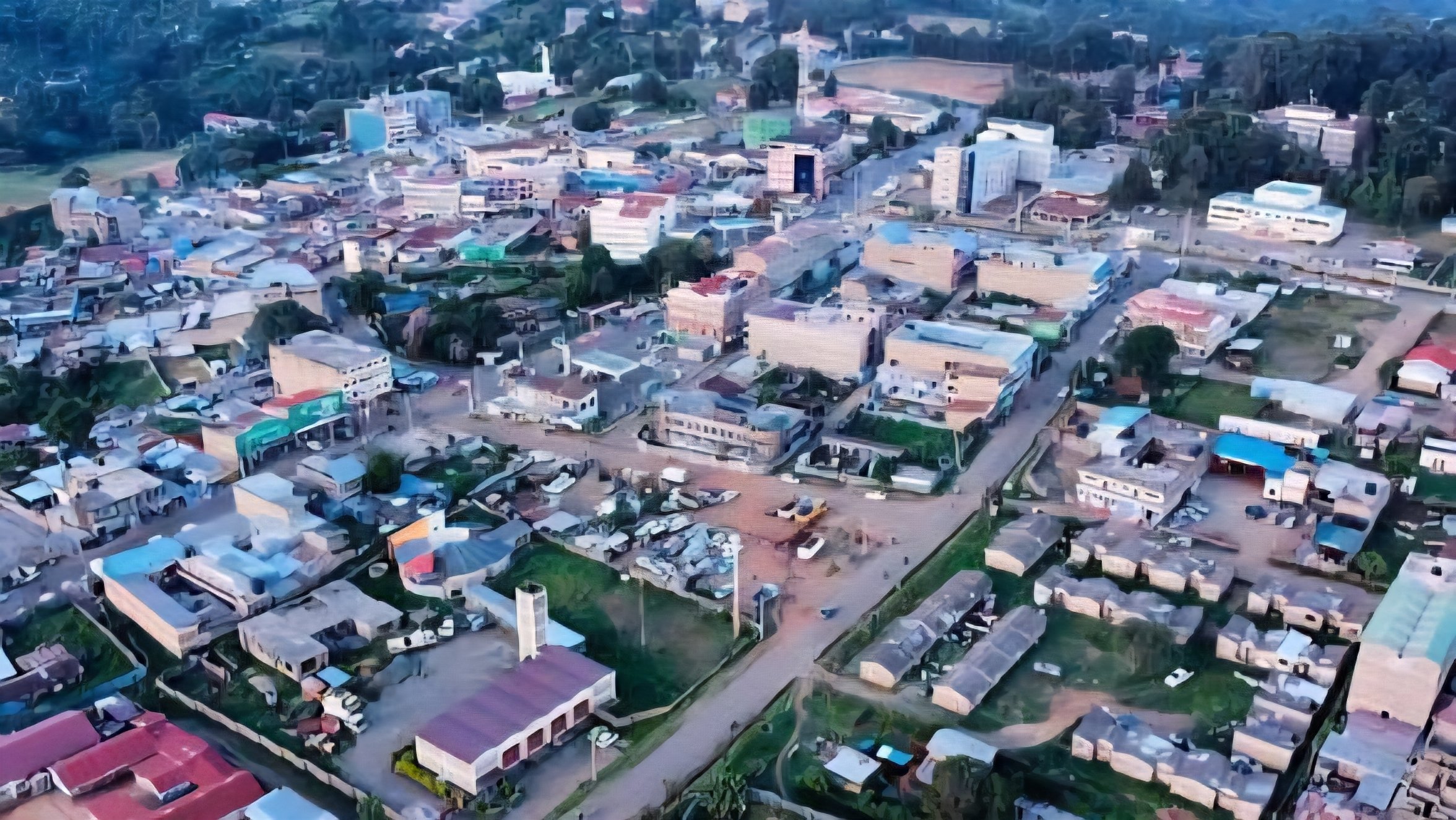
Rainfall in Kabarnet now brings widespread anxiety for residents, who face a growing risk of waterborne diseases as raw sewage flows through town streets following the stalling of a Sh700 million infrastructure project.
The provincial headquarters of Baringo County has never had a functional sewer line since its inception.
The town continues to rely on open lagoons and overwhelmed pit latrines, which frequently overflow during heavy downpours, pushing effluent into public spaces and nearby residential estates.
The sanitation crisis was expected to be resolved through the sewerage and waste management phase of the multi-billion-shilling Kirandich Dam project.
However, the waste management component has ground to a halt, leaving local businesses, public institutions, and residential areas exposed to hazardous discharge.
The national government allocated Sh700 million for the design and implementation of the sewerage network, but the contracted firm abandoned the site after initial groundwork.
The broader infrastructure initiative involves the Central Rift Valley Water Works Development Agency (CRVWWDA), which oversees water and sanitation assets in the region.
The multi-billion-shilling project, which includes water supply extensions to outlying towns, was funded through a conditional grant arrangement.
According to government officials, the funding structure has complicated efforts to replace the non-performing contractor.
The terms of the international agreement required the funding country to identify the firm, preventing local authorities from terminating the contract and appointing an alternative builder.
The contractor briefly returned to clear the site earmarked for the waste treatment facility, but departed shortly afterward without constructing the plant.
The ongoing delay has left major local installations vulnerable to contamination.
Wastewater and effluent from hotels, offices, and local markets routinely stream toward the Kabarnet market, the Jua Kali area, and local churches.
Runoff also threatens the Kenya School of Government (KSG) and the Baringo County Referral Hospital, where an open lagoon poses downstream environmental risks.
Local traders and hoteliers are reportedly emptying waste systems under the cover of darkness due to the complete lack of an official municipal dumpsite or working network.
Health concerns are mounting for communities situated downstream, including Kaptimbor and Kaprogonya, where residents depend on local rivers for domestic water supply.
Medical facilities in Baringo Central have previously recorded significant numbers of patients seeking treatment for amoeba, typhoid, and dysentery linked to contaminated water sources.
Local representatives and administrative leaders continue to urge the national government to intervene and fast-track the completion of the stalled network to secure public health.
Comments (0)
Leave a Comment
No comments yet. Be the first to share your thoughts!