

Kiambu County is positioned to receive Sh1.6 billion for the expansion and modernization of its urban infrastructure. This allocation is part of a broader Sh6.7 billion envelope under the second phase of the Kenya Urban Support Program, a national initiative funded by the World Bank. The capital injection is directed toward seven key municipalities, including Thika, Juja, Limuru, Karuri, Kikuyu, Ruiru, and Kiambu, as the county seeks to address the growing demands of its rapidly urbanizing population.
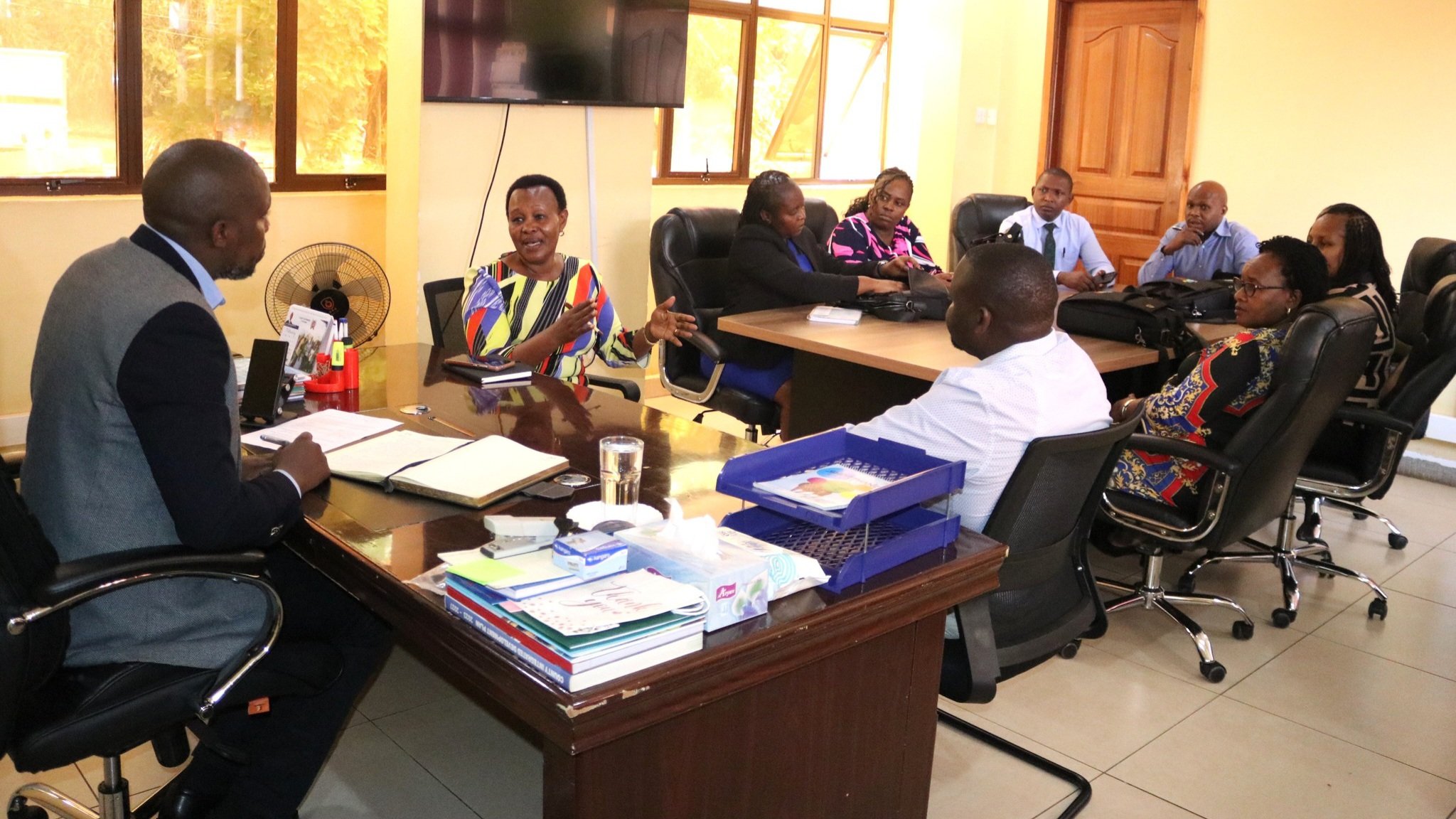
The disbursement of these funds is strictly tied to the results of the KUSP II Annual Performance Assessment. This evaluation mechanism, which involved a recent consultative meeting between officials from the Department of Housing and the Council of Governors, measures the eligibility of municipal boards for conditional grants. To secure the funding, municipalities must demonstrate high standards in urban governance, financial management, and sustainable planning practices.
The construction scope for the project includes the upgrading of existing road networks and the development of non-motorized transport systems to improve pedestrian safety. In a move to streamline regional transport logistics, the funding will also support the construction of modern bus parks and dedicated parking facilities. These additions are expected to reduce congestion within the municipal hubs and provide organized spaces for public service vehicles.
Beyond transport, the infrastructure program incorporates the installation of solar-powered street lighting to improve security and extend business hours in commercial zones. The technical requirements of the grant also mandate improvements to stormwater drainage systems to mitigate seasonal flooding and the enhancement of waste management facilities. These civil works are essential for maintaining the long-term viability of the county's growing urban centers.
According to technical teams involved in the assessment, the KUSP II framework serves as a tool for institutional strengthening. By linking infrastructure capital to performance benchmarks, the program ensures that the recipient municipalities develop the capacity to manage large-scale engineering projects and maintain them effectively. The assessment process specifically looks at how well the municipal boards have integrated disaster management and fire response infrastructure into their local planning.
This funding cycle comes at a time when Kiambu is intensifying its efforts to bridge the gap between rural and urban service delivery. The county administration has already highlighted the need for improved water connectivity and the digitization of land registries as supporting pillars for these physical developments. The successful completion of the performance assessment will allow the county to proceed with procurement for the identified civil works, ensuring that the Sh1.6 billion is utilized within the stipulated financial year.
As a Program-for-Results financing instrument, the World Bank oversight ensures that every shilling is accounted for through measurable outputs on the ground. For the construction sector, this represents a steady pipeline of municipal contracts focused on drainage, paving, and public amenities. The focus now shifts to the execution phase, where the seven municipalities must translate these conditional grants into completed projects that meet the technical standards set by the State Department for Housing and Urban Development.
Comments (0)
Leave a Comment
No comments yet. Be the first to share your thoughts!