
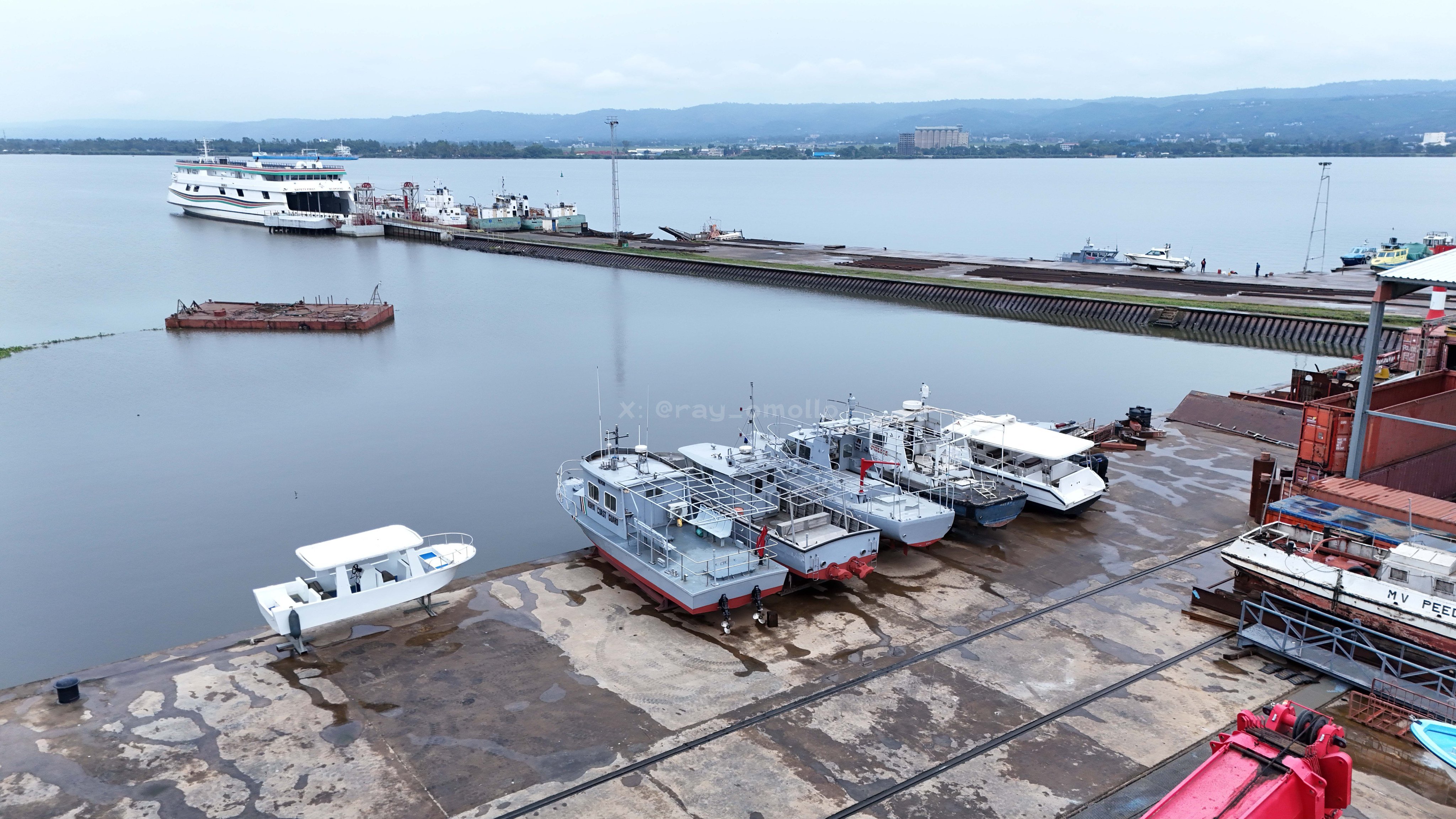

The government strategy to expand the Blue Economy has reached a primary milestone at the Kisumu Shipyard, where Kenya Shipyards Limited (KSL) is currently fabricating a 29-metre shallow-draft ferry. The project, which is now 50% complete, represents a shift in regional maritime logistics as the first public ferry to be operated by the Kenya Ports Authority (KPA) on the waters of Lake Victoria.
Engineers at the yard have finished the bulk of the heavy lifting. Most welding works are now finalised, and the essential structural joining and fitting phases are complete. The passenger area, a critical component for the vessel’s intended high-capacity use, is also ready. Work has now transitioned to the more intricate stages of the build, including the installation of electrical systems, piping, and the application of protective paint to sub-structural components.
The choice of a shallow-draft design is a deliberate engineering response to the specific topography of the lake. This configuration allows the vessel to navigate closer to shorelines and into smaller piers that larger ships cannot access, which is vital for the island-rich regions of Homa Bay County. By reducing the depth of the hull beneath the waterline, the ferry can safely dock in areas where siltation or natural depth would otherwise pose a grounding risk.
This vessel is intended to resolve long-standing connectivity issues between the mainland and isolated island communities. Specifically, it will provide a reliable link for Mfangano Island, while connecting the wider riparian counties of Busia, Siaya, Kisumu, and Migori. Currently, much of the transport in these areas relies on private operators or smaller, less regulated craft that often lack the safety standards of a KPA-managed vessel.
The Kisumu facility is not limited to large-scale steel fabrication. Alongside the 29-metre ferry project, the shipyard continues to manufacture smaller fibre-reinforced plastic (FRP) boats. These units are versatile, serving the local fishing industry, maritime patrol units, and general transport operations across the lake. The use of FRP in these smaller vessels offers a lightweight, corrosion-resistant alternative to traditional timber or steel, which is particularly useful for the rapid-response needs of patrol teams.
At the electrical and piping works progress, the project remains a focal point for the regional infrastructure agenda. The integration of this ferry into the KPA fleet is expected to standardise transport costs and schedules for residents who, until now, have lacked a consistent public maritime option. The shipyard's ability to handle both large steel hull construction and specialized plastic moulding suggests a growing technical capacity within the local maritime sector.
The completion of the sub-structural painting will lead to the final outfitting and sea trials. These trials will test the ferry's stability and engine performance in the open waters of the lake before it is officially commissioned for public service. For the riparian counties, the delivery of the vessel remains the most anticipated development in the local transport sector this year.
Comments (0)
Leave a Comment
No comments yet. Be the first to share your thoughts!