
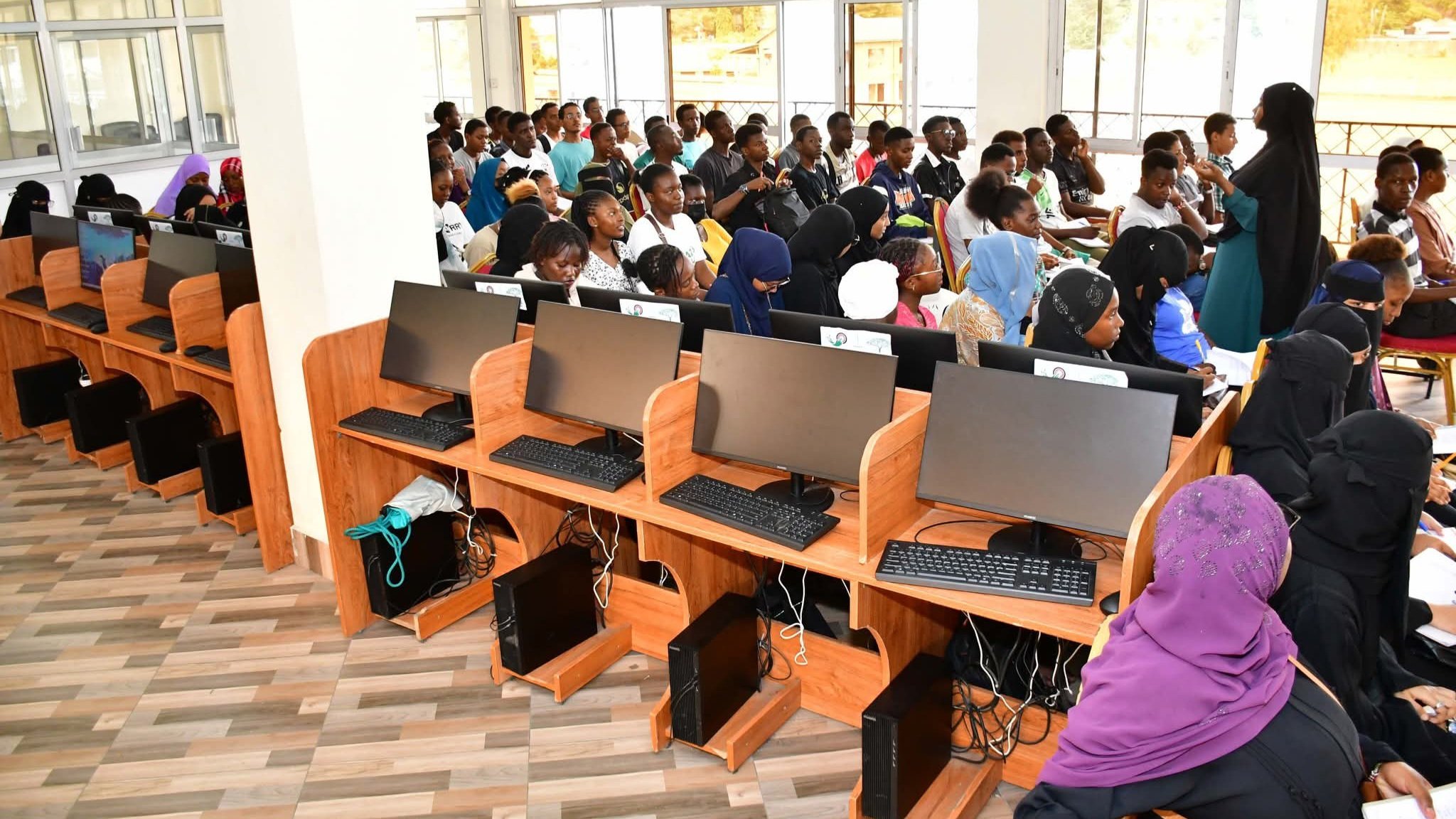

The Mvita Jitume Digital Hub in Mombasa County has established itself as a primary center for technical training within the coastal region, currently hosting its eighth cohort of students. The facility is part of a broader national infrastructure rollout under the Digital Superhighway, a core component of the Bottom-Up Economic Transformation Agenda. The lab provides approximately 200 young people per intake with the practical skills required to navigate the digital economy and secure online employment through platforms like Ajira.

As a specialized installation within the national network of digital laboratories, the Mvita hub focuses on removing entry barriers for local residents, specifically targeting Form Four graduates. The training is provided at no cost to participants, ensuring that financial constraints do not limit access to the growing information and communications technology sector. By focusing on practical application, the program aims to bridge the gap between traditional secondary education and the specific requirements of the global gig economy.

The operation of the hub is supported by a structured multi-agency framework. Konza Technopolis serves as the technical provider, supplying the computer hardware and virtual desktop infrastructure necessary for high-level digital tasks. The Ministry of Information, Communications and The Digital Economy remains responsible for the deployment of qualified trainers and the ongoing maintenance of the facility. This collaborative model ensures that the hardware remains functional and the curriculum stays aligned with current industry standards.

In addition to technical instruction, the program incorporates essential professional development modules through external partners. The National Bank of Kenya provides financial literacy training, which is critical for freelancers managing digital earnings. Career guidance is facilitated by the Kenya Institute of Management, offering participants the soft skills and market readiness required to transition from training to active employment. This holistic approach to infrastructure utilization ensures that the physical lab serves as more than just a computer room, functioning instead as a comprehensive career incubator.

Security remains a significant consideration for the expansion of these digital spaces. The National Computer and Cybercrimes Coordination Committee, operating under the State Department for Internal Security and National Administration, oversees the safety protocols governing the program. This oversight is intended to protect young workers from digital threats and ensure that the online environment remains a viable and secure workplace.

The Mvita facility is one of several hundred hubs planned or completed across the country as the government seeks to decentralize technology access. The NG-CDF Board and various constituency committees have been instrumental in site identification and resource allocation, with some model centers receiving up to 100 devices to accommodate growing demand. As the digital space continues to expand, these hubs are expected to play a central role in connecting remote and urban populations to international job markets without requiring migration to the capital.
Comments (0)
Leave a Comment
No comments yet. Be the first to share your thoughts!