
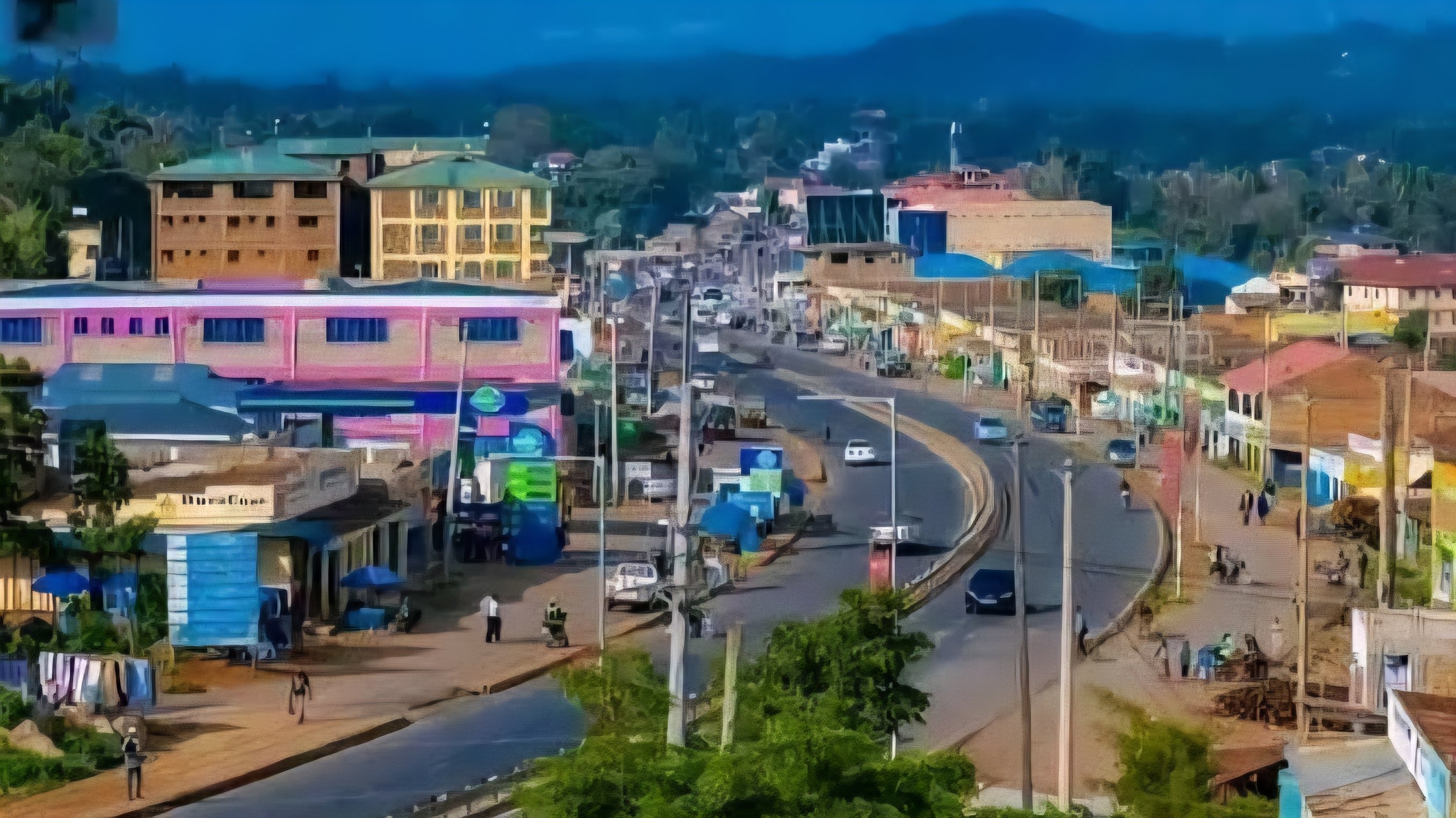

To a first-time visitor, distinguishing Oyugis from the official capital of Homa Bay County is becoming increasingly difficult. The town, located in Kasipul constituency, is currently experiencing a period of intense activity and physical development that contrasts sharply with the pace of the county headquarters.
The town serves as a primary transit point for travelers moving between Kisumu, Kisii, and Migori. This geographic advantage has turned the urban center into a magnet for investors who see higher potential for returns compared to the more tucked-away Homa Bay Town.
Commercial skyscrapers and modern retail spaces now dominate the skyline, many of which are fueled by private capital from the local diaspora. Residents and business owners note that the town operates with 24-hour energy, largely due to its position as a regional transport junction.
The administrative center of Homa Bay has historically struggled with its location off the main highway. While it remains the seat of the county government, Oyugis has effectively captured the title of the region’s commercial engine. The shift highlights a broader trend in Kenya where transit corridors dictate the speed of urban sprawl.
Real estate prices in Oyugis have climbed steadily over the last five years. Developers are focusing on mixed-use buildings that combine ground-floor retail with residential units above, catering to a growing population of young professionals and traders.
Local authorities have faced pressure to match this private growth with public infrastructure. Improvements to internal drainage and waste management are frequently cited by residents as areas that need urgent attention to sustain the current development trajectory.
The influx of people has also strained existing water and electricity networks. Despite these challenges, the pace of construction shows no signs of slowing down, as more businesses relocate from smaller surrounding trading centers to set up regional offices in Oyugis.
Market days in the town are particularly telling of its economic dominance. Thousands of traders from neighboring counties descend on the urban center, moving goods that eventually find their way into the wider national supply chain.
For the county government, the rise of Oyugis presents a unique set of planning requirements. Balancing the growth of a secondary town while maintaining the relevance of the official headquarters requires a delicate allocation of resources and infrastructure spending.
Observers suggest that if the current rate of building continues, Oyugis could soon demand a more formal municipality status to better manage its expanding boundaries. The town is no longer just a stopover, but a destination for high-stakes investment.
The stark difference between the two urban centers serves as a case study in how transport logistics can outweigh political status in the race for development. While Homa Bay Town remains the political heart, Oyugis has firmly established itself as the economic pulse of the county.
Comments (0)
Leave a Comment
No comments yet. Be the first to share your thoughts!