
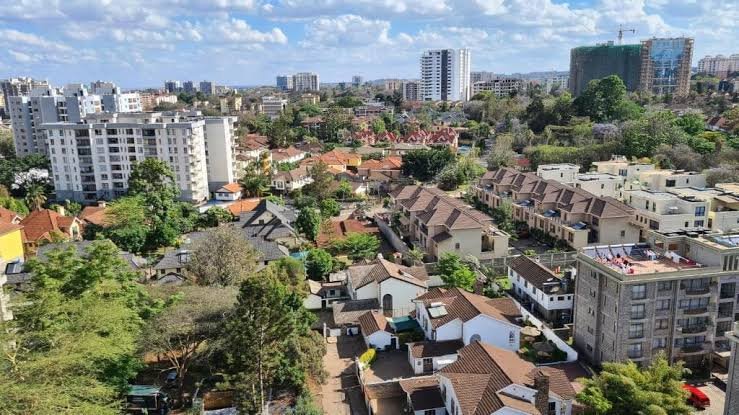

The multi-billion shilling effort to rehabilitate the Nairobi River basin has hit a significant hurdle in the affluent neighborhoods of Kileleshwa and Lavington. According to official progress updates released on Wednesday, February 18, 2026, the KSh50 billion Nairobi River Regeneration Project is facing mounting resistance from property owners in these upstream sections. This opposition comes at a critical juncture for the initiative, which seeks to restore the ecological health of the city's primary waterways through extensive engineering and cleanup works.
Launched in March 2025 by President William Ruto, the project is a collaborative undertaking involving the Nairobi Rivers Commission, the Ministry of Environment, and the Ministry of Defence. Technical implementation is being led by the China Energy Engineering Group. The scope of work is vast, including the construction of a 60-kilometer trunk sewer line, the expansion of existing wastewater treatment plants, and the development of green public spaces. While authorities report that communities in downstream informal settlements have largely cooperated with relocation notices, the same level of compliance has not been met in the city's more affluent suburbs.
Government officials have warned that continued resistance in Kileleshwa and Lavington could undermine the entire restoration effort. Because these areas are located upstream, any failure to secure the riparian zones there directly impacts the water quality and environmental health of the entire basin, which eventually flows through Makueni and toward Tsavo. The project’s success depends on a contiguous corridor of reclaimed land to support the installation of new infrastructure and the stabilization of riverbanks.
The 60-kilometer trunk sewer line is particularly sensitive to these delays. Designed to divert raw sewage that has been discharged into the river for decades, the pipeline must follow the natural gradient of the riverbed. When property owners refuse to vacate demarcated riparian land, the construction of these essential conduits is frequently halted, leading to project backlogs and increased man-hours. In addition to the sewer works, the plan involves river training, dredging, and the removal of invasive plant species to be replaced by indigenous trees that stabilize the soil.
Authorities have emphasized that the regeneration project is not a political exercise but a public health necessity. The pollution levels in the Nairobi River have long exceeded critical limits, with high concentrations of heavy metals such as iron and manganese being reported. The government maintains that the restoration is essential to protect millions of residents from flooding and waterborne diseases. Furthermore, the initiative is a major employment driver, having already created over 40,000 jobs through the Climate Works Mtaani Initiative.
While the government has expressed a preference for collaborative planning, officials have indicated that they will continue to issue and enforce evacuation notices in accordance with existing laws. The tension between high-end property rights and environmental regulation remains a focal point for the editorial desk, as the project moves into its final, most challenging phases of implementation. If the deadlock persists, the ambitious timeline to transform the Nairobi River into a clean, functional public resource by 2027 may be at risk.
Comments (0)
Leave a Comment
No comments yet. Be the first to share your thoughts!