
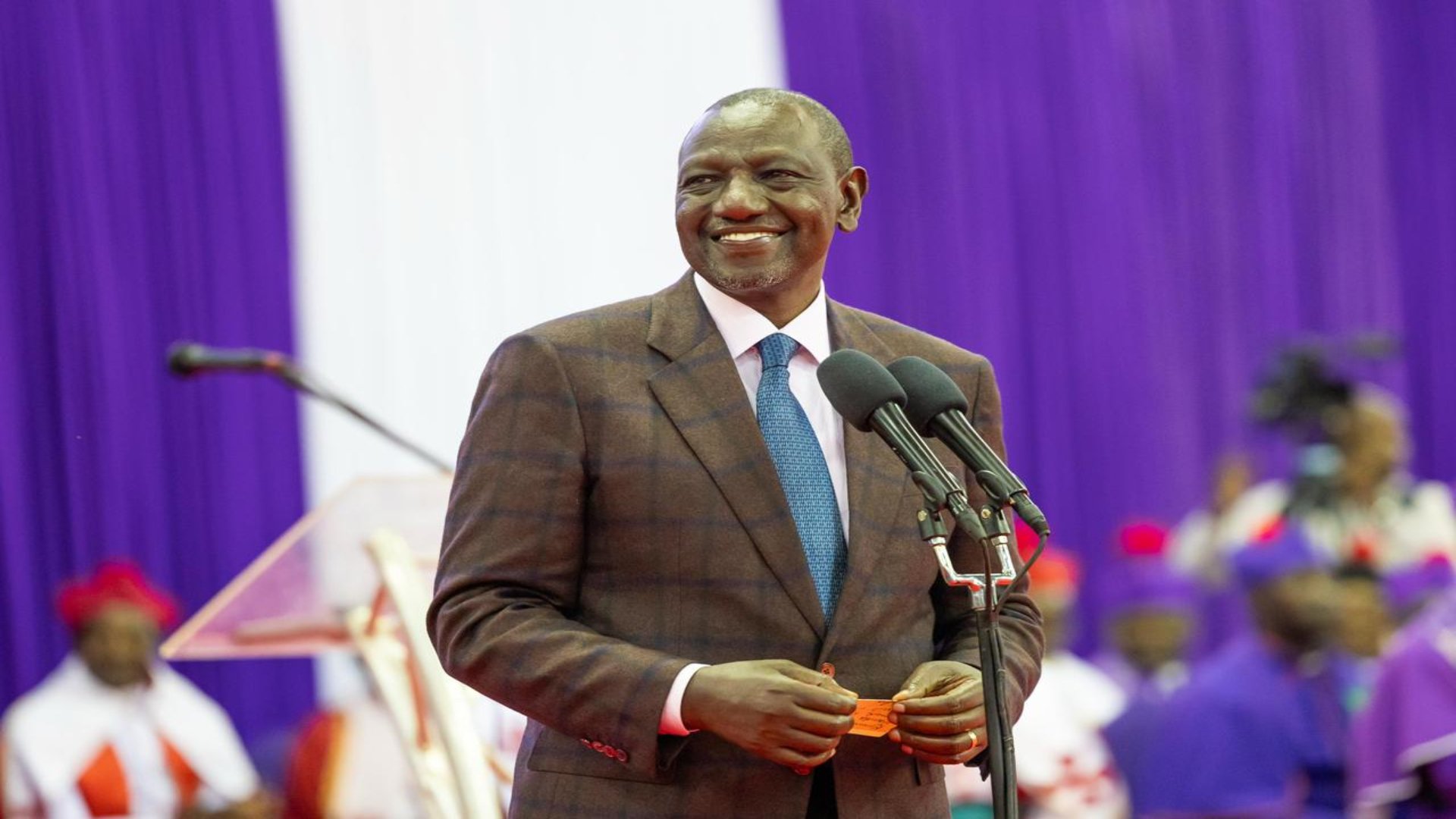

President William Ruto has articulated a clear vision for Kenya’s capital. He is leading a unified initiative to restore Nairobi’s prestige in a massive joint operation involving both the national government and the Nairobi County leadership. The goal is simple and ambitious: Nairobi must reflect the true image of a modern, thriving Kenya and cannot be known as a city buried in dirt. This sentiment drives the entire renewal program forward.
The President held important discussions with city leaders and agreed on a core set of three priorities that form the immediate action plan. The first and most urgent task is cleansing the city to make it free of filth and pollution. The second focus is a serious upgrade to infrastructure, whereby all essential roads must be properly tarmacked. The third priority is illuminating the urban landscape, which will involve comprehensive street lighting installation everywhere. These three pillars will support a complete metropolitan overhaul.
The process of cleaning Nairobi is already well underway, and thousands of young people are currently engaged in the effort. They form the backbone of the Nairobi River Regeneration Project, which is extensive and vital for the city’s health. The government is also finalizing a powerful partnership with key private sector companies. This will enable the clean-up initiative to scale up quickly and reach all corners of the city’s sprawling geography. The city’s current state is unacceptable, and change has to happen immediately.
Infrastructure improvements usually require vast resources. The plan commits to ensuring all roads are surfaced with tarmac; therefore, the national government will provide significant financial support. This investment will also empower the county government to execute the road works without delay. Better roads improve traffic flow and boost the city’s economic competitiveness. Enhanced street lighting is equally crucial since dark areas often foster crime and chaos. Therefore, lighting up Nairobi will improve general public safety and ensure better mobility for all citizens without insecurity. The city must become a clean, active and well-lit hub.
The Nairobi River Regeneration Project is a complex long-term undertaking since it began earlier this year, in March. The project aims to restore nearly thirty kilometers of the river and its many tributaries. A primary environmental target is reducing pollution points by ninety per cent, an initiative that will drastically improve water quality. Riparian land along the river must also be reclaimed and protected, and the vulnerable communities living in these areas will be moved into dignified, affordable housing. This guarantees no illegal evictions will take place. This makes the restoration both natural and human.
The project promises a visible transformation by 2027. Clean waterways will return to the city, and neighborhoods will become noticeably safer for families. New livelihoods will be created for residents, and over forty thousand youth are working under the Climate Works Mtaani banner. They are clearing sewers and building new riverbanks. An additional eighteen thousand young people are scheduled to join, thus making the entire initiative provide stable, essential employment.
Major construction is already planned. This includes a fifty-four-kilometer new sewer line, wetlands will be restored to their natural state, and the Kariobangi treatment plant will receive a major upgrade, with new engineered riverbanks will be established along the water. These banks will incorporate parks and trees that will maintain a mandatory forty-five-meter buffer zone to protect the environment from encroachment.
A twenty-seven-kilometer non-motorized transport corridor will be built, running from Ondiri all the way to Ruai. The transport corridor will feature dedicated lanes for walking and cycling, thus encouraging sustainable urban commuting for residents. By the 2027 deadline, ten thousand affordable housing units will be ready for occupation. New modern markets for twenty thousand traders will also replace old structures. These developments target flood-prone areas like Mathare and Dandora.
New riverfront parks and urban farms are planned additions. Officials anticipate a massive drop in public health issues with a fifty percent reduction in waterborne diseases. Flood displacements will also become far less frequent. The state plans to involve the public in every step of this program. Over one hundred community forums will guide the important local implementation, and land value gains estimated at thirty per cent will be reinvested directly. This ensures the community directly benefits. This comprehensive plan is a commitment to a cleaner, safer and more prosperous capital city for Kenya.
Comments (0)
Leave a Comment
No comments yet. Be the first to share your thoughts!