
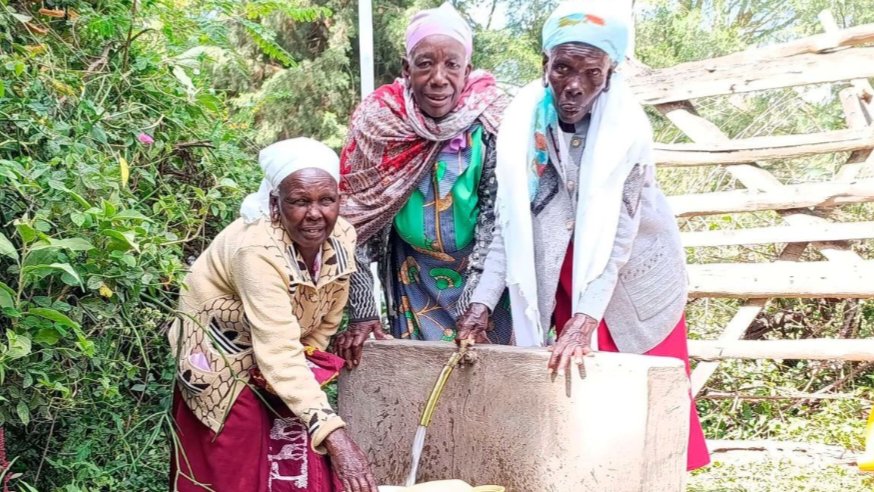

For more than six decades, the daily routine for residents in parts of Bomet County was defined by the descent to River Chepkulo. It was a journey dictated by necessity, requiring villagers to navigate steep, often treacherous terrain to secure a basic resource. This week, that cycle changed with the commissioning of a new water distribution network.
The project consists of a five-kilometre piped system designed to bring clean water directly into the heart of the community. For the 2,000 residents now connected to the grid, the infrastructure represents more than just convenience. It is a technical solution to a public health crisis that has persisted since before Kenya’s independence.
Local accounts of the previous water collection methods paint a grim picture of the physical toll taken on the community. For years, the primary method of transport involved carrying heavy plastic jerrycans up the riverbanks. The physical strain of this labor resulted in a high incidence of chronic spinal injuries among the population, particularly the elderly, who had no choice but to continue the trek well into their later years.
The safety risks were not limited to physical strain. Accessing the river during the rainy seasons presented constant dangers of drowning or injury on slippery footpaths. Furthermore, the reliance on raw river water exposed the population to waterborne diseases, placing a continuous burden on the local healthcare system.
From a construction and engineering perspective, the 5km network is part of a broader effort to decentralize water access in rural Kenya. By moving the point of collection from the riverbed to community standpipes and household taps, the project eliminates the need for manual hauling over long distances. The installation involved laying high-density polyethylene pipes and constructing distribution points capable of handling the daily demand of a growing rural population.
The delivery of this water project comes at a time when Bomet and the surrounding counties are under increasing pressure to modernize rural infrastructure. While the county has significant water resources, the challenge has historically been the "last mile" connectivity—the infrastructure required to move water from natural sources to the doorstep of the consumer.
The impact on the local economy is expected to be immediate. With the hours previously spent trekking to the river now recovered, residents can pivot their time toward agricultural activities or education. For the older generation, some of whom have spent 60 years making the trip to the river, the arrival of the pipes is a late but welcome correction to a long-standing infrastructure gap.
Engineering teams on the ground indicated that the system is built for durability, with the capacity to expand as the population grows. Regular maintenance of the piped network will be critical to ensuring that the gains made this week are not lost to technical failures or leaks in the coming years.
As the taps were turned on for the first time, the shift in the community's daily life was visible. The sight of jerrycans being filled at ground level, rather than being carried up a ravine, marks the conclusion of an era of physical hardship. For Bomet, the completion of this 5km stretch serves as a reminder of the fundamental role that basic civil engineering plays in transforming public health and safety in rural settings.
Comments (0)
Leave a Comment
No comments yet. Be the first to share your thoughts!