
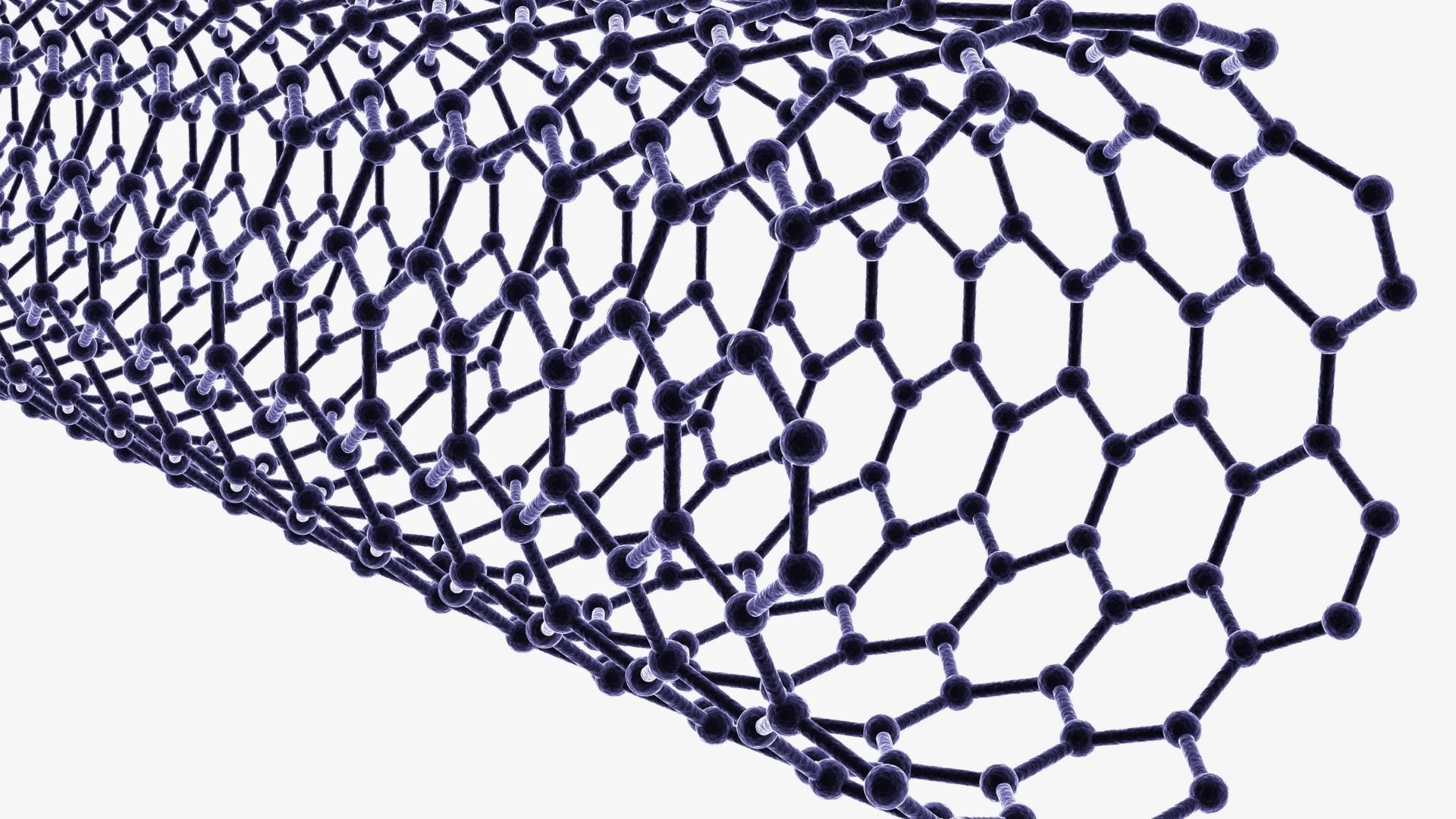

A research group at Pohang University of Science and Technology (POSTECH) in South Korea has developed hollow silicon nanotubes that drastically reduce heat transmission. This development offers a new approach to reclaiming industrial waste heat, which is a major concern for infrastructure and manufacturing operations globally.
The study was led by Professor Chang-Ki Baek and doctoral candidate Ki Yeong Kim, with the findings published in the scientific journal Nano Energy. Their engineering method addresses the efficiency limits that have historically prevented silicon from being used effectively in thermoelectric applications.
Thermoelectric systems generate electric power by utilizing temperature differences across a material, requiring no moving components. Managing waste heat remains a significant operating challenge in high-density facilities, including data centers, manufacturing plants, and electric vehicle charging installation.
Commercial thermoelectric installations typically depend on rare and costly metals, such as Bismuth (Bi) or Tellurium (Te). These materials face persistent supply chain vulnerabilities, making global prices volatile and sourcing unpredictable for large-scale industrial projects.
Silicon is highly abundant and fully compatible with existing semiconductor production lines, but its high thermal conductivity has traditionally kept conversion efficiency too low for commercial viability. The South Korean engineering team resolved this by substituting solid nanowires with hollow nanotubes.
These hollow structures resemble tiny pipes. Testing revealed that the engineered nanotubes reduced thermal conductivity by approximately 70 percent compared to standard solid nanowires, which helps maintain the temperature variance necessary to generate electricity.
The team performed additional testing to isolate the cause of this performance change. They adjusted the surface area ratios of both structures to be completely identical, but the hollow structures still demonstrated a 33 percent reduction in thermal conductivity under these uniform conditions.
This performance difference led the researchers to identify a phenomenon known as phonon localization. Phonons are atomic vibrations that transport heat through solid objects, but in these hollow structures, the vibrations become restricted to specific areas rather than flowing freely.
This localized trapping of heat vibrations was previously thought to occur only under extreme cryogenic conditions, or within highly complex custom experimental arrangements.
Comments (0)
Leave a Comment
No comments yet. Be the first to share your thoughts!