

A version of this article originally appeared in the Daily Nation.
The management of international climate finance for the Congo Basin has emerged as a central point of contention among regional leaders and environmental stakeholders. Recent high-level discussions have highlighted a growing dissatisfaction with the existing Congo Basin Forest Fund, with critics arguing that the mechanism has failed to deliver the intended financial support to the communities and governments responsible for maintaining the forest’s integrity.
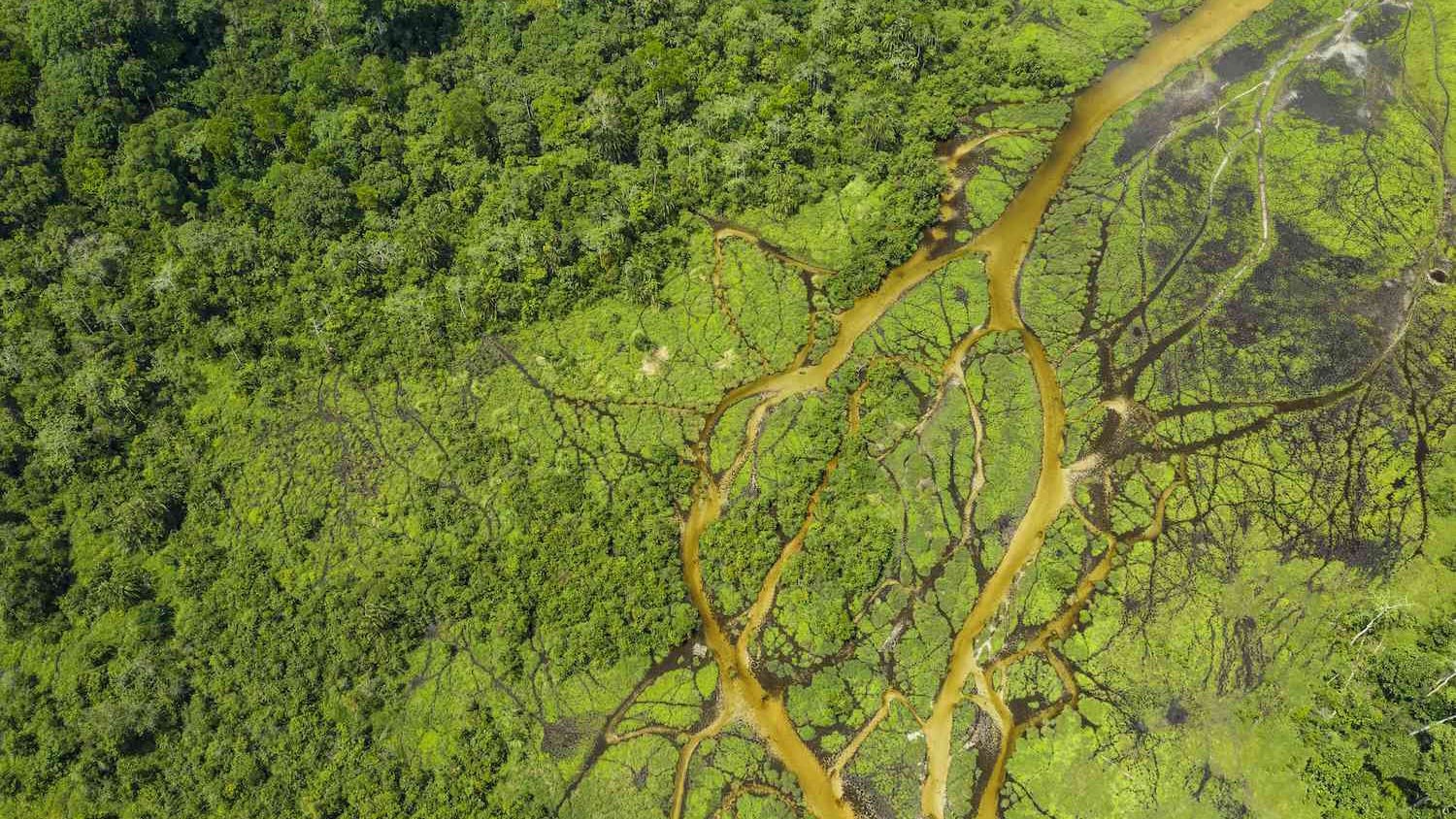
Spanning six countries, the Congo Basin remains one of the most critical carbon sinks on the planet. However, the flow of capital from developed nations to the central African region has been criticized for being sluggish and overly bureaucratic. Leaders are now advocating for a transition toward more transparent and direct funding models, including the proposed Blue Fund for the Congo Basin, which aims to integrate economic development with environmental conservation.

A primary concern raised during recent forums involves the disparity between the ecological value the basin provides to the global community and the actual compensation received by the host nations. While the Amazon frequently dominates international conservation headlines, the Congo Basin is increasingly recognized for its superior carbon sequestration capacity per hectare. Despite this, the region receives a fraction of the global climate funding allocated to tropical forests.
Observers noted that the previous funding structures often relied on third-party intermediaries to manage and distribute resources. This approach, according to regional representatives, has led to high administrative costs and a lack of tangible impact on the ground. There is a push to move away from these traditional donor-led models in favor of African-led initiatives that prioritize the sovereignty of the participating states.
The proposed Blue Fund is designed to address these gaps by focusing on 24 specific thematic areas, ranging from sustainable agriculture and renewable energy to the protection of biodiversity. Proponents of the fund argue that by financing infrastructure that does not rely on deforestation, the region can achieve economic growth without sacrificing its natural assets. This shift requires a significant scale-up in private sector investment, which has historically remained cautious about long-term projects in Central Africa.
Technical experts pointed out that the lack of standardized data on carbon stocks within the basin has also hindered the development of a robust carbon market. Without precise measurements that meet international standards, regional governments find it difficult to negotiate fair prices for carbon offsets. Strengthening the capacity of local institutions to monitor and verify forest cover is now seen as a prerequisite for any new financial instrument.
The conversation is also shifting toward the social dimension of conservation. In many parts of the basin, local communities depend on forest resources for their livelihoods. Any new financial framework must ensure that these populations are not marginalized but are instead integrated into the value chain of conservation. Experts warned that if the financial benefits of forest preservation do not reach the grassroots level, the risk of illegal logging and land conversion will remain high regardless of international agreements.
As the global community prepares for upcoming climate negotiations, the demand for a total overhaul of the Congo Basin's financial architecture is gaining momentum. The focus is no longer just on securing pledges, but on ensuring that those pledges translate into accessible, liquid assets that can fund green infrastructure across Central Africa. The transition from the old Congo Basin Forest Fund to a more modern, results-based system is viewed by many as the only way to secure the future of the forest.
Comments (0)
Leave a Comment
No comments yet. Be the first to share your thoughts!