
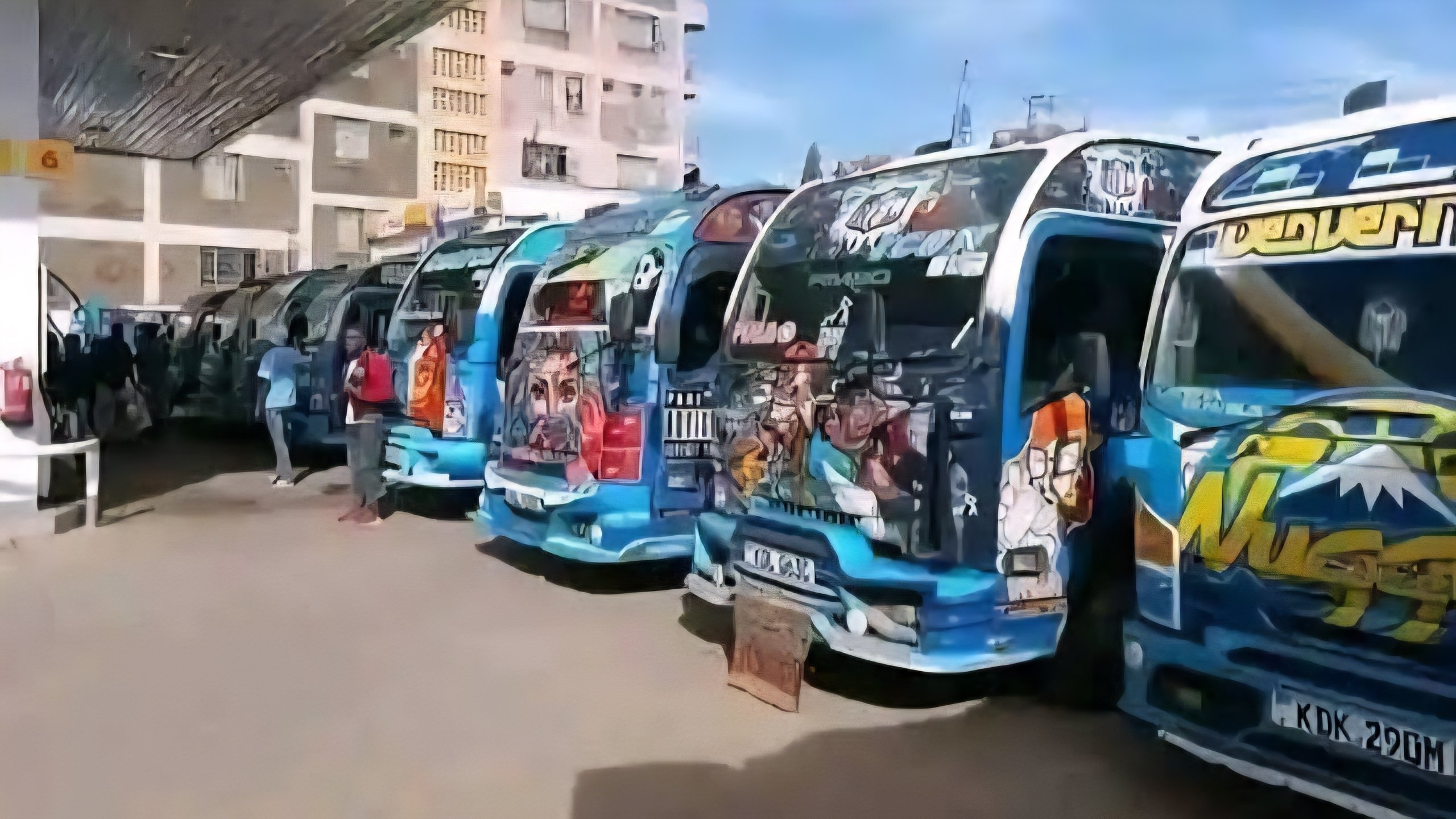

The Kenyan public transport sector has long been defined by the vibrant and chaotic energy of matatus, but the era of the "mega-Sacco" is facing a quiet, terminal decline. While commuters still rely on these vehicles daily, several entities that once held a near-monopoly on lucrative routes have vanished from the streets.
The downfall of these giants was not caused by a lack of passengers, but by a systemic failure in internal management. Poor governance stands as the primary culprit, with many Saccos failing to transition from informal groups to professional corporate entities.
In many instances, the leadership of these organizations lacked the transparency required to manage billions of shillings in collective investment. This led to a breakdown in trust between the Sacco management and the individual vehicle owners who provided the capital.
Internal conflicts became a recurring theme, often spilling over into the daily operations of the fleets. When board members or influential stakeholders disagreed on the direction of the Sacco, the resulting friction often paralyzed the entire network, leading to service disruptions.
Financial mismanagement also played a critical role in the silencing of these engines. Without proper auditing and accountability, funds meant for expansion or emergency reserves were frequently diverted, leaving the Saccos vulnerable to even minor economic shifts or regulatory changes.
The lack of professional oversight meant that when the National Transport and Safety Authority introduced stricter compliance measures, many of the older Saccos were unable to adapt. Their informal structures could not withstand the demands of a modern, regulated transport environment.
Another significant factor was the intense competition from newer, more agile Saccos that embraced digital technology and better customer service. These emerging players capitalized on the reputational damage suffered by the older, more "powerful" brands that had become synonymous with cartels.
As these organizations struggled with debt and internal power struggles, their market share evaporated. Vehicle owners began to pull their units from the failing Saccos, seeking refuge in more stable and better-managed outfits, effectively gutting the giants from the inside.
Today, the remnants of these once-mighty Saccos serve as a cautionary tale for the industry. The transition from the colorful, unregulated "manyanga" culture to a structured transit system requires more than just a large fleet; it demands professional integrity and sustainable business models.
The silence of their engines marks the end of a specific chapter in Kenyan transport history, where raw power and route dominance were eventually defeated by the simple necessity of good governance and financial transparency.
Comments (0)
Leave a Comment
No comments yet. Be the first to share your thoughts!