
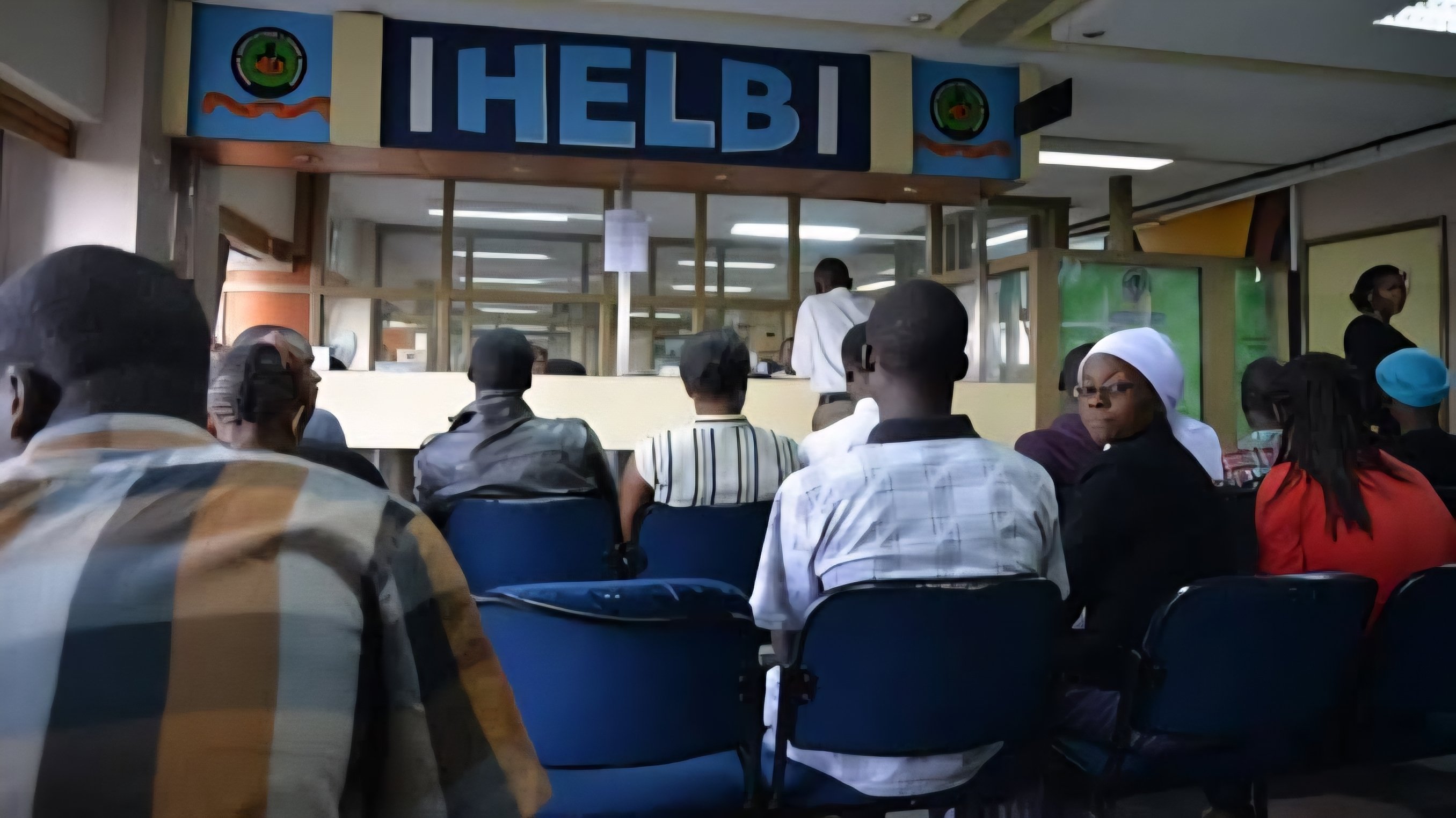

A version of this article appeared on Nation.Africa.
The Higher Education Loans Board (HELB) is structuring a social bond framework to raise alternative capital from the financial markets, a move aimed at ending chronic funding shortages and delays in student loan disbursements.
The state-funded financier intends to use the capital market instrument to diversify its resource pool, which traditionally relies heavily on capitation from the National Treasury and erratic loan recovery returns from past beneficiaries.
Persistent shortfalls in exchequer releases have regularly triggered delays, leaving tens of thousands of university and technical college students stranded at the beginning of academic semesters.
By introducing a social bond, the board seeks to create a sustainable pool of capital dedicated strictly to educational funding, ensuring predictable disbursement schedules.
The strategy aligns with broader public sector debt restructuring and capital mobilization reforms in Kenya, where state corporations are encouraged to seek non-tax revenue and market-based financing.
Capital markets rules require social bonds to fund projects that deliver distinct social benefits, such as expanding access to affordable financing for tertiary education.
The implementation of the plan will require approvals from the National Treasury, the Capital Markets Authority (CMA), and other regulatory institutions overseeing state debt and fiscal commitments.
The board expects that securing institutional investors for the debt instrument will establish a more reliable revolving fund, insulated from annual budget realignments.