
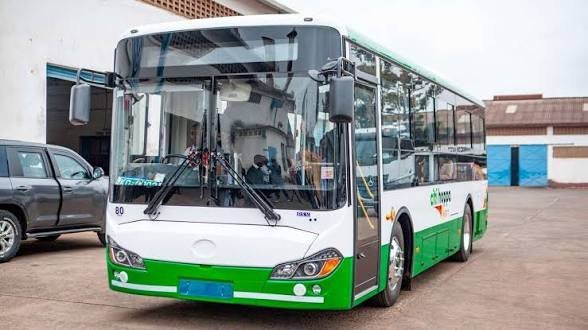

Members of Parliament (MPs) have blocked a controversial amendment in the Finance Bill 2026 that threatened to increase the retail prices of electric vehicles. The legislative intervention successfully averts a 16 percent price hike on electric bikes and buses.
The National Treasury had proposed reclassifying electric bicycles, electric buses, lithium-ion batteries, and solar batteries from zero-rated to Value Added Tax (VAT) exempt status. This structural tax shift would have altered the operating environment for green transport.
Although both classifications sound like tax breaks, the operational differences are substantial for assemblers. The zero-rated status allows local manufacturing firms to claim refunds on input VAT paid for raw materials, shipping, and utility services.
An exemption completely removes this refund mechanism from the tax code. Consequently, the unrecovered tax becomes a hidden operational cost embedded in the product, which is ultimately passed down to the consumer at the point of sale.
The decision by lawmakers ensures that electric mobility remains financially viable for public transport operators and commuter networks. These operators work on thin margins, and they are highly sensitive to changes in vehicle procurement costs.
Industry groups argued that the proposed tax adjustment directly contradicted the National Electric Mobility Policy. The policy was enacted to accelerate the adoption of clean vehicles by offering long-term fiscal incentives and manufacturing support.
The domestic green transport sector has shown significant operational growth. Data compiled by Kenya Power indicates that electricity consumption by electric vehicles increased by 188 percent, showing clear momentum in the transition away from fossil fuels.
Financial returns from electric vehicle charging stations have risen, encouraging further private sector involvement. Local startups have recently secured international equity funding to expand automated battery-swapping networks, and they plan to scale up local assembly lines.
The legislative relief also extends protection to the broader solar energy ecosystem. Solar home installations rely heavily on imported and locally assembled lithium-ion batteries to provide reliable power to off-grid rural households and businesses.
National Treasury Cabinet Secretary (CS) John Mbadi had defended the broader fiscal proposals, explaining that the state intended to enhance compliance and modernise revenue systems rather than imposing excessive tax burdens on ordinary citizens.
Lawmakers countered that a hidden 16 percent cost would depress consumer demand in an emerging industry, but parliament chose to shield household purchasing power by retaining the zero-rated framework.
The administration under President Ruto has positioned the country as a regional hub for green technology. President Ruto has previously launched electronic motorcycle factory lines, and he introduced special green number plates to identify electric vehicles.
The decision provides critical policy predictability for international investors, who are establishing long-term infrastructure. Maintaining stable tax provisions is viewed as essential for reducing urban air pollution and meeting national carbon emission reduction targets.
With the zero-rated status secured, local vehicle assemblers can sustain competitive retail pricing against imported alternatives. This protection helps safeguard local engineering jobs, and it encourages industrial growth within the clean technology sphere.
The parliamentary intervention demonstrates a deliberate effort to balance state revenue collection with strategic developmental goals. For now, the financial incentives driving the adoption of sustainable transport options remain intact across the country.
Comments (0)
Leave a Comment
No comments yet. Be the first to share your thoughts!