
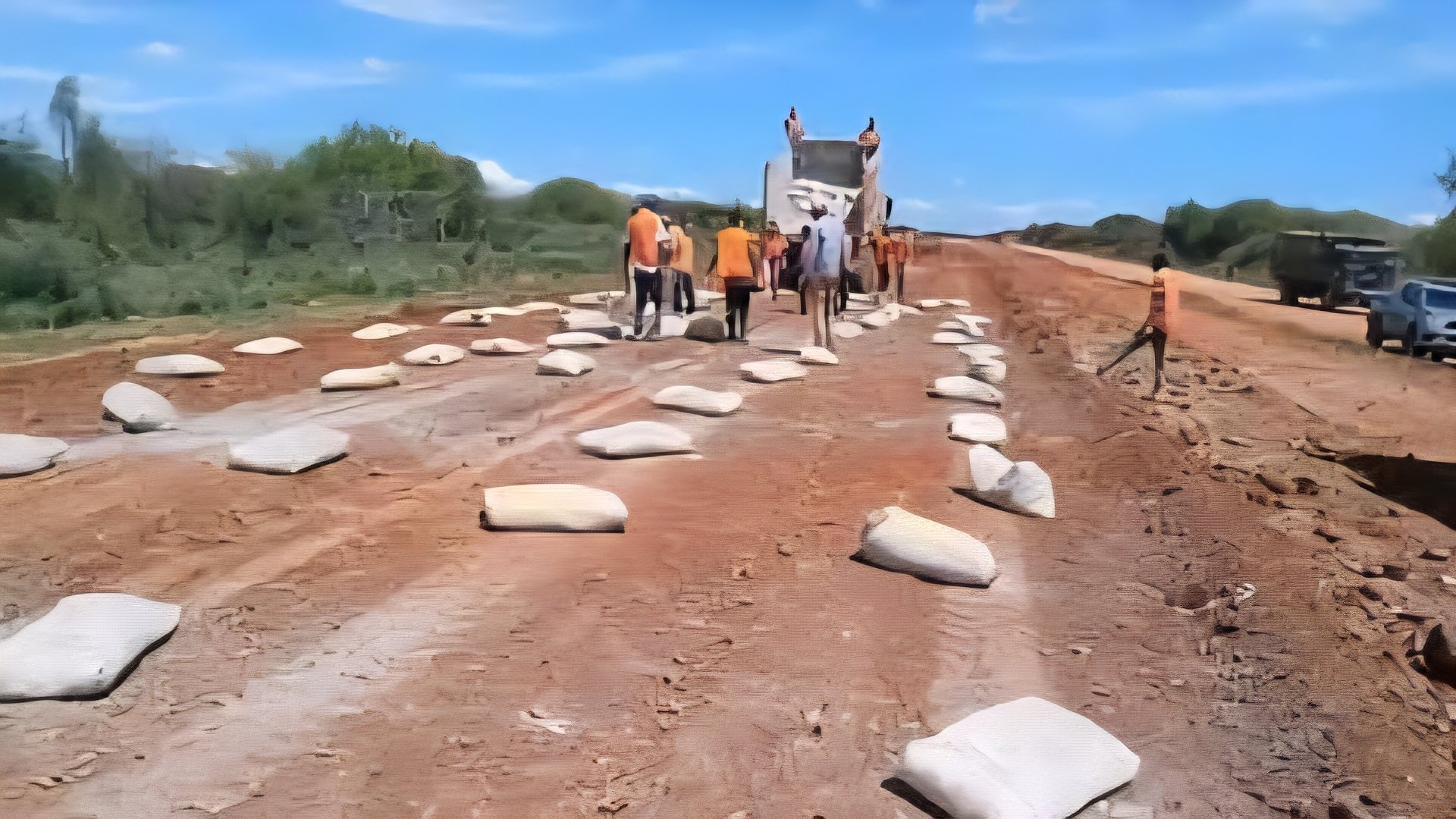

Kenya’s government has spent Sh4 billion in taxpayers' money to settle claims from investors and contractors following the cancellation of a major road project in the northern region. The payout relates to the Modogashe-Habaswein-Samatar and Rhamu-Mandera road circuit, which has faced significant structural and financial shifts over the last few years.
The project was initially structured under the Road Annuity Program, a public-private partnership model designed to allow private contractors to design, finance, and maintain roads. Under this arrangement, the government was expected to repay the investment through fixed annuity payments over ten year period after completion.
However, the contracts were terminated by mutual agreement between the government and the contracted parties. This decision paved the way for the state to seek alternative financing, specifically through the World Bank under the Horn of Africa Gateway Development Project.
While the shift to multilateral funding was intended to ease the immediate pressure on the national exchequer, the exit from the previous private-led contracts came at a high cost. The Sh4 billion expenditure represents the settlement required to close the books on the original agreements, which covered approximately 143 kilometers of infrastructure.
The Modogashe-Samatar section, spanning 67 kilometers, and the 75-kilometer Rhamu-Mandera stretch are critical links in the 750-kilometer Isiolo-Mandera corridor. This corridor is a key component of the Lapsset project, intended to improve security and trade logistics in the North-Eastern region.
Despite the cancellation of the annuity contracts, the government maintains that the project remains a priority. Recent inspections indicate that some sections of the wider highway are progressing under new management, though local leaders have raised concerns over the pace of work and pending bills for the contractors.
The transition from the annuity model to direct government or donor-funded procurement has been a recurring theme in Kenya’s infrastructure strategy. Officials have previously cited the high cost of private capital as a reason for reverting to more traditional funding methods for large-scale civil works.
As the project moves forward under the World Bank framework, the Sh4 billion payout serves as a reminder of the financial risks associated with altering large-scale infrastructure agreements mid-stream. The focus now shifts to whether the new financing model can deliver the long-awaited highway within the current 2027 completion targets.
Comments (0)
Leave a Comment
No comments yet. Be the first to share your thoughts!