
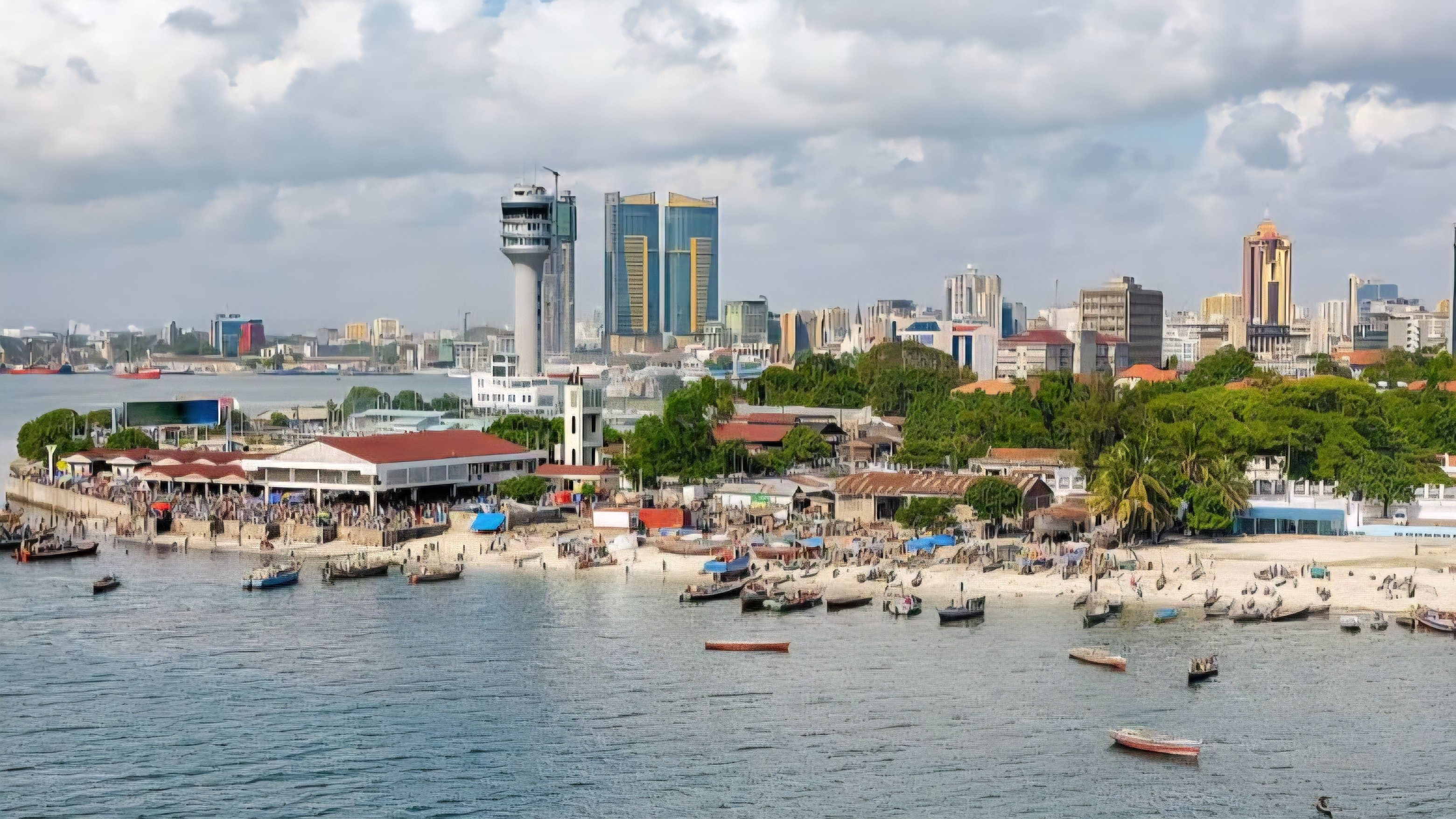

The economic landscape of East Africa is undergoing a noticeable shift as Tanzania positions itself at the forefront of regional growth. Market analysts and economic observers monitoring the Great Lakes region have pointed to a consistent upward trajectory in the country’s fiscal performance and physical development. This transition is not merely a result of natural resource wealth but is increasingly tied to a deliberate expansion of the nation's built environment and logistical capabilities.
Dar es Salaam has become the focal point of this transformation. As the commercial capital, the city serves as the primary gateway for landlocked neighbors including Rwanda, Burundi, and the Democratic Republic of Congo. The government has prioritized the modernization of the port facilities to handle increased cargo volumes, a move that directly challenges the traditional dominance of other regional trade routes. This infrastructure-led strategy is designed to capture a larger share of the transit trade that fuels the wider East African economy.
Beyond the coastline, the development of the Standard Gauge Railway (SGR) represents one of the most ambitious engineering undertakings in the region. By replacing the aging colonial-era rail lines with a high-capacity electric system, Tanzania is looking to slash transit times and lower the cost of doing business. For the construction sector, these projects have provided a steady stream of high-value contracts and have necessitated a significant scale-up in local technical expertise and material supply chains.
Industrialization serves as the second pillar of this economic push. The Tanzanian authorities have been vocal about moving away from an economy reliant on raw commodity exports toward one defined by value-addition and manufacturing. This shift requires the rapid establishment of industrial parks and Special Economic Zones (SEZs). These zones are being outfitted with the necessary utilities and transport links to attract foreign direct investment, particularly in sectors such as textile manufacturing, agro-processing, and construction materials.
Energy security remains a critical component of sustaining this momentum. The Julius Nyerere Hydropower Project is a cornerstone of the national energy strategy, aimed at providing the reliable, low-cost electricity required to power a modern industrial state. Without this massive increase in generating capacity, the planned industrial zones and electrified rail networks would struggle to remain viable. The scale of the dam and its associated transmission infrastructure underscores the long-term planning currently driving Tanzanian policy.
In the broader context of the East African Community (EAC), Tanzania’s rise is altering trade dynamics. For years, the regional balance of power was relatively stagnant, but the aggressive pace of Tanzanian project delivery has forced neighbors to re-evaluate their own infrastructure timelines. Regional integration is also a factor, as improved cross-border roads and simplified customs procedures at one-stop border posts make it easier for Tanzanian goods and services to penetrate the regional market.
Economic data support the visual evidence of the construction boom. The country has maintained a robust GDP growth rate that frequently outstrips the continental average. This growth is being funneled back into public works, creating a cycle of development that appears resilient to global market fluctuations. Investors are taking note, with increased capital flows directed toward real estate, telecommunications, and extractive industries that require sophisticated support infrastructure.
However, the transition to a regional powerhouse brings its own set of challenges. Maintaining the pace of debt-financed infrastructure while ensuring macroeconomic stability is a delicate balancing act for the finance ministry. Furthermore, the rapid urbanization seen in cities like Dar es Salaam and Dodoma puts immense pressure on municipal services, necessitating further investment in water, sanitation, and urban transport systems to prevent bottlenecks.
As it stands, the momentum behind Tanzania’s economic engine shows little sign of slowing. The combination of strategic geographic positioning, a massive pipeline of infrastructure projects, and a policy environment focused on industrialization has created a unique window of opportunity. For the construction and engineering sectors across East Africa, Tanzania is no longer just a market to watch; it has become the market to be in.
Comments (0)
Leave a Comment
No comments yet. Be the first to share your thoughts!